
Tourism Leakage: Why Your Vacation Money Does Not Always Stay Where You Travel
Tourism leakage asks us to look beyond the beautiful surface of travel.
Beyond the beach, the hotel, the tour, the perfect breakfast view. It asks a less comfortable question: when I spend money here, does it help build local value — or does it quietly leave?
Most of us like to believe our vacation money does good simply because we spend it somewhere beautiful. We book a room, order dinner, take a tour, buy a souvenir, leave a tip and tell ourselves: at least tourism supports the local economy.
And often, it does.
Tourism can create jobs, support small businesses, fund conservation, keep traditions visible and give communities more reasons to protect the places travelers come to see. Globally, tourism is a major economic force: the World Bank notes that travel and tourism supported around 10% of global GDP and 357 million jobs in 2024.
But responsible travel cannot stop at the comforting idea that our presence helps.
It also has to ask where the money goes after we spend it.
What is tourism leakage?
Tourism leakage happens when money spent by travelers leaves the destination economy instead of staying with local people, workers, farmers, guides, artists, restaurants, guesthouses, transport providers and communities.
In simple terms:
Tourism leakage is the gap between what travelers spend and what actually stays in the place they visit.
Two travelers can spend the same amount in the same destination and create very different local impact.
One books a foreign-owned resort through an international platform, eats mostly imported food, joins a tour sold by a company abroad and buys souvenirs that were not made locally.
The other stays in a locally owned guesthouse, eats at small restaurants, hires a local guide, buys from artisans and books directly where possible.
Same destination. Same travel budget. Very different result.
That does not mean every international hotel, resort or booking platform is automatically bad. Tourism is more complicated than that. Larger businesses can employ local people, pay taxes, train staff, support suppliers and contribute to the economy in meaningful ways.
But ownership matters. Supply chains matter. Wages matter. Local sourcing matters. Who gets to make decisions matters.
Tourism is not only about how much money arrives. It is about who controls it after it arrives.
The myth of “at least I am helping by being here”
This is the part many travelers do not like to sit with.
A destination can be full of tourists and still not be building local wealth.
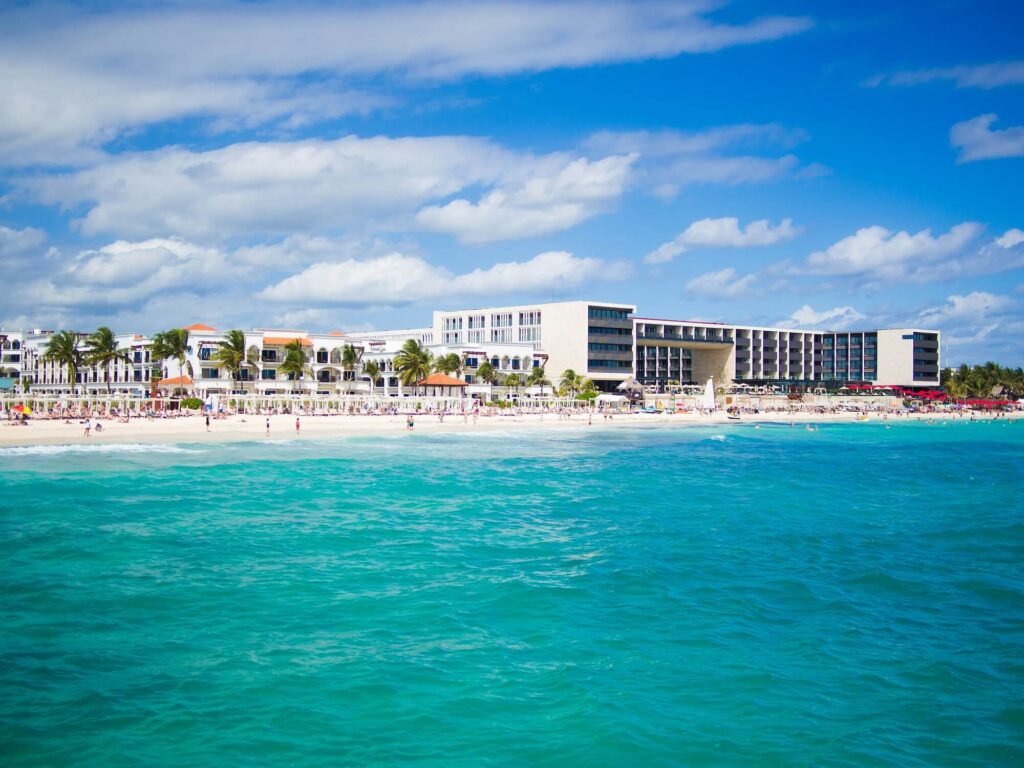
Hotels can be busy while nearby restaurants stay empty. Beaches can be famous while surrounding communities receive little benefit. Visitors can spend thousands while local workers remain in seasonal, low-paid or insecure jobs.
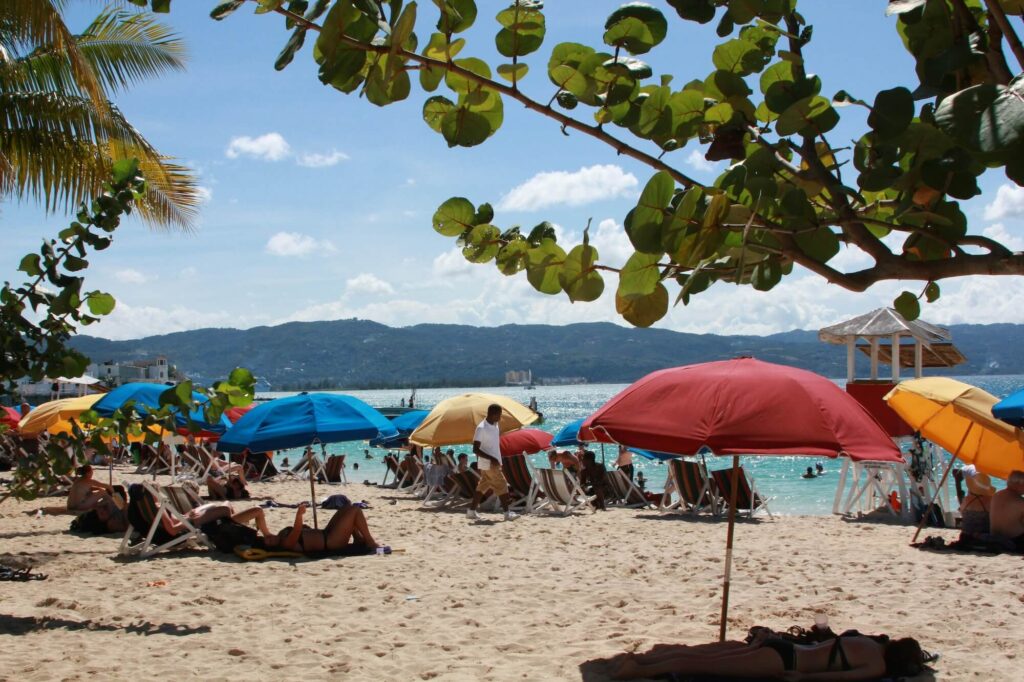
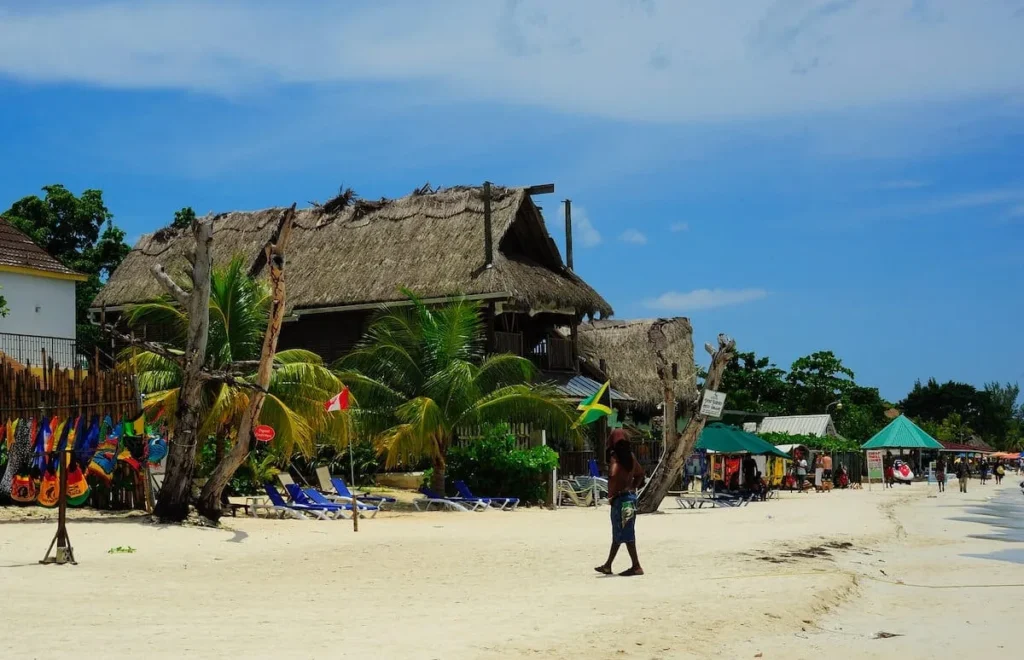
I think about this especially in places like Jamaica — a destination I love and return to, but where the question of who benefits from tourism is impossible to ignore.
Jamaica receives millions of visitors each year. In 2023, the country welcomed around 4.1 million tourists, including both stopover visitors and cruise passengers. Tourism is one of the country’s largest economic drivers, generating roughly $4.3 billion USD in earnings that same year.
On the surface, those numbers suggest success. A thriving industry. A steady flow of income. A destination that is clearly in demand.
But those numbers do not tell the full story.
Because while billions are spent, not all of that money stays in Jamaica — and not all of it reaches the people working within the industry.
Hotel workers, for example, are essential to the tourism experience. They clean rooms, prepare food, serve guests, maintain properties and keep operations running. Yet wages in the sector can remain relatively low compared to the revenue tourism generates. Estimates suggest that many hotel workers in Jamaica earn the equivalent of roughly $300 to $600 USD per month, depending on role, experience and employer.
That gap matters.
It shows how a destination can be busy, profitable and globally popular, while still struggling to distribute tourism income more evenly across its workforce and communities.
This is why Jamaica has invested in initiatives like the Tourism Linkages Network — designed to strengthen connections between tourism and local industries such as agriculture, manufacturing and creative sectors. The goal is to ensure that more of what tourists consume — food, products, services — is sourced locally, so that more money circulates within the country.
That effort says a lot. It means tourism money does not automatically reach local farmers, fishers, craft producers, drivers, guides, small restaurants and communities. It has to be intentionally connected.
Tourism can bring income, but income is not the same as equity. A job is not the same as ownership. A busy season is not the same as a fair tourism economy.
UN Tourism’s Global Code of Ethics says local populations should be involved in tourism activities and share equitably in the economic, social and cultural benefits they generate.
For travelers, that becomes one simple question:
When I spend money here, who is actually included in the benefit?
Where travel money leaks out
Where travel money leaks out
Tourism leakage often happens quietly. It is not always visible from the outside.
Money can leak out through:
- Foreign-owned accommodation, when profits leave the destination.
- International booking platforms, which take a share before money reaches the local provider.
- Imported food, drinks and supplies, especially when hotels rely heavily on products from abroad.
- Overseas tour operators, when excursions are sold outside the destination and local guides receive only part of the value.
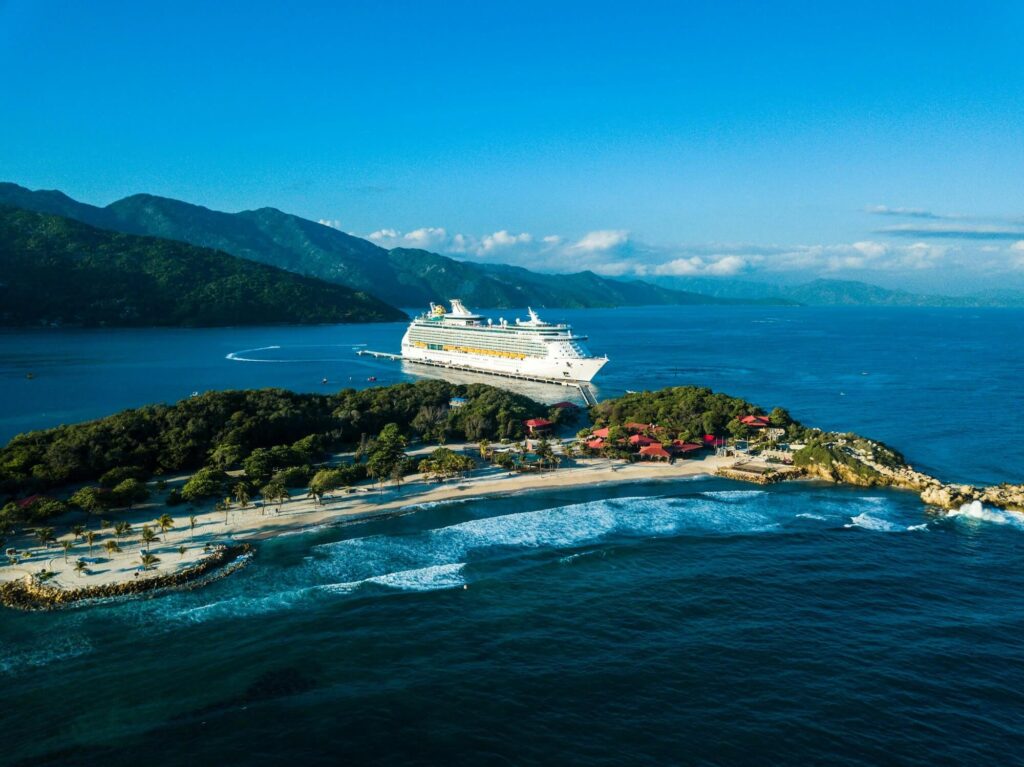
- Cruise tourism, when passengers eat, sleep and spend much of their money on board.
- All-inclusive models, when guests rarely leave the resort and local restaurants, guides, taxis and shops benefit less.
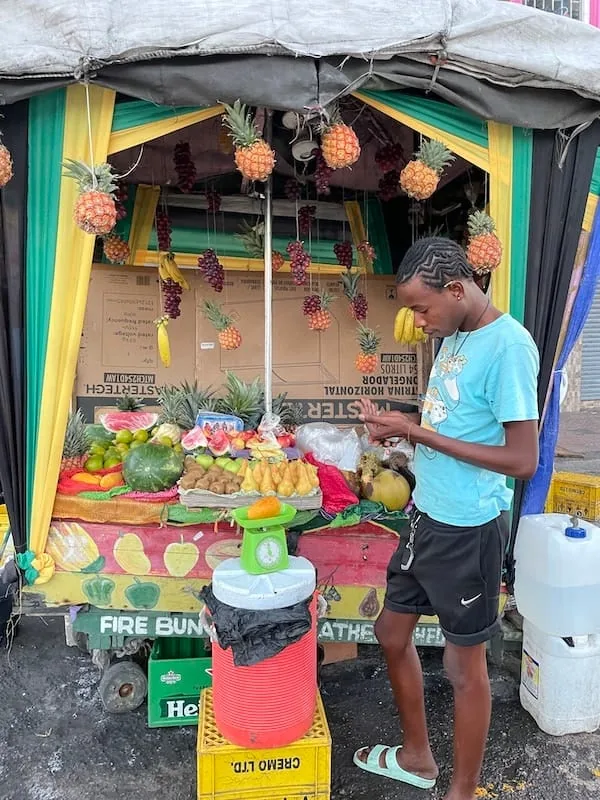
- Imported souvenirs, when products look local but were not made by local artisans.
None of these choices automatically make someone a bad traveler. Most of us have chosen convenience at some point.
But these choices shape the kind of tourism economy we support.
The more closed the tourism system is, the harder it becomes for money to move beyond that system.

When we ask destinations to become familiar
One of the most overlooked forms of tourism leakage begins with something very ordinary: what tourists expect.
We say we want authenticity. But often, we also want the comforts of home.
Familiar breakfast. Imported wine. International snacks. Global brands. Air-conditioned rooms. Luxury bathrooms. Bottled water. Perfect linens. Menus that feel easy to understand.
There is nothing wrong with comfort. Travel does not have to feel difficult to be meaningful.
But when a destination has to import too much to satisfy visitors, less tourism money reaches local farmers, fishers, food producers, makers and suppliers. UNEP’s tourism value-chain work identifies accommodation and food and beverage as key parts of making tourism more resource-efficient and sustainable.
For me, this is one of the most honest questions we can ask as travelers:
Do I really want to experience this place — or do I want a prettier version of home with better weather?
That question is not meant to shame anyone. It is meant to make us aware of how our expectations create demand.
When we choose local food, locally owned stays, local guides and locally made products, we are not only looking for a more authentic experience. We are helping more of the travel economy stay rooted where the trip actually happens.
Why tourism leakage matters in smaller destinations
Tourism leakage matters everywhere, but it becomes especially important in small islands, rural regions and destinations with high import dependence.
In places where many goods have to be imported, and where outside investors own much of the tourism infrastructure, the visible success of tourism can hide a fragile reality. A destination may receive many visitors and still struggle with high food costs, low wages, limited local ownership and dependence on decisions made elsewhere.
UNCTAD has cited average tourism leakage of 40–50% of gross tourism earnings in many developing countries, compared with 10–20% in more diversified economies. These figures should be used carefully because leakage varies by destination, sector and ownership structure, but the point remains important: tourism income does not automatically become local prosperity.
This is especially relevant in places we often describe with beautiful words: island paradise, untouched beach, hidden gem, remote escape.
Those words can hide the harder questions:
– Who owns the hotel?
– Who supplies the food?
– Who sells the excursions?
– Who controls the booking?
– Who works behind the scenes?
– Who carries the costs when tourism slows down?
– Who gets to build long-term wealth from the destination’s beauty?
The power travelers actually have
Travelers cannot fix tourism leakage alone.
Governments, investors, hotel groups, cruise companies, airlines, tourism boards, booking platforms and global supply chains all shape where tourism money goes. Local businesses also need fair access to finance, training, infrastructure, visibility and markets.
But travelers are not powerless.
Our power is in the small choices we repeat again and again.
Where we sleep. Where we eat. Who we book with. Whether we leave the resort. Whether we buy directly. Whether we choose the cheapest option without asking who absorbs the real cost. Whether we see local businesses as part of the experience or only as an optional extra.
You do not always need to spend more to travel better.
Often, you need to spend more intentionally.
How to keep more of your money local
You do not have to turn every trip into a research project. Start with a few practical choices:
- Stay in locally owned accommodation where possible.
- Eat outside the hotel, especially in independent restaurants.
- Book tours with local guides and locally based operators.
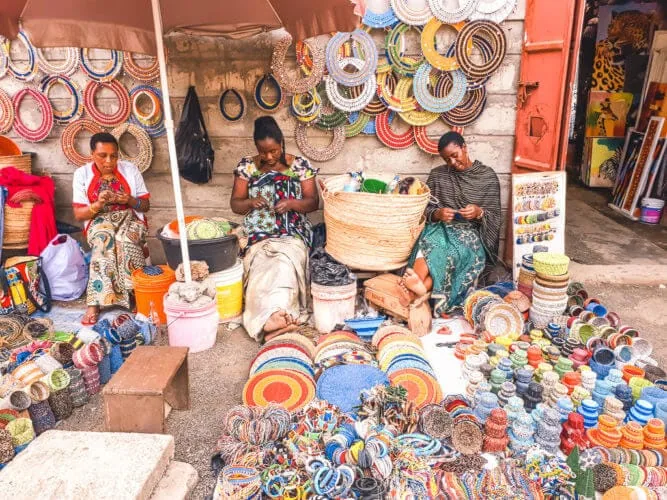
- Buy crafts, food and souvenirs from local makers.
- Use local transport when safe and practical.
- Visit markets respectfully and pay fair prices.
- Ask hotels and tour operators where they source products.
- Choose experiences that involve communities as partners, not props.
- Stay longer, move slower and spend more deeply in fewer places.
- Leave the resort bubble, but do so with respect.
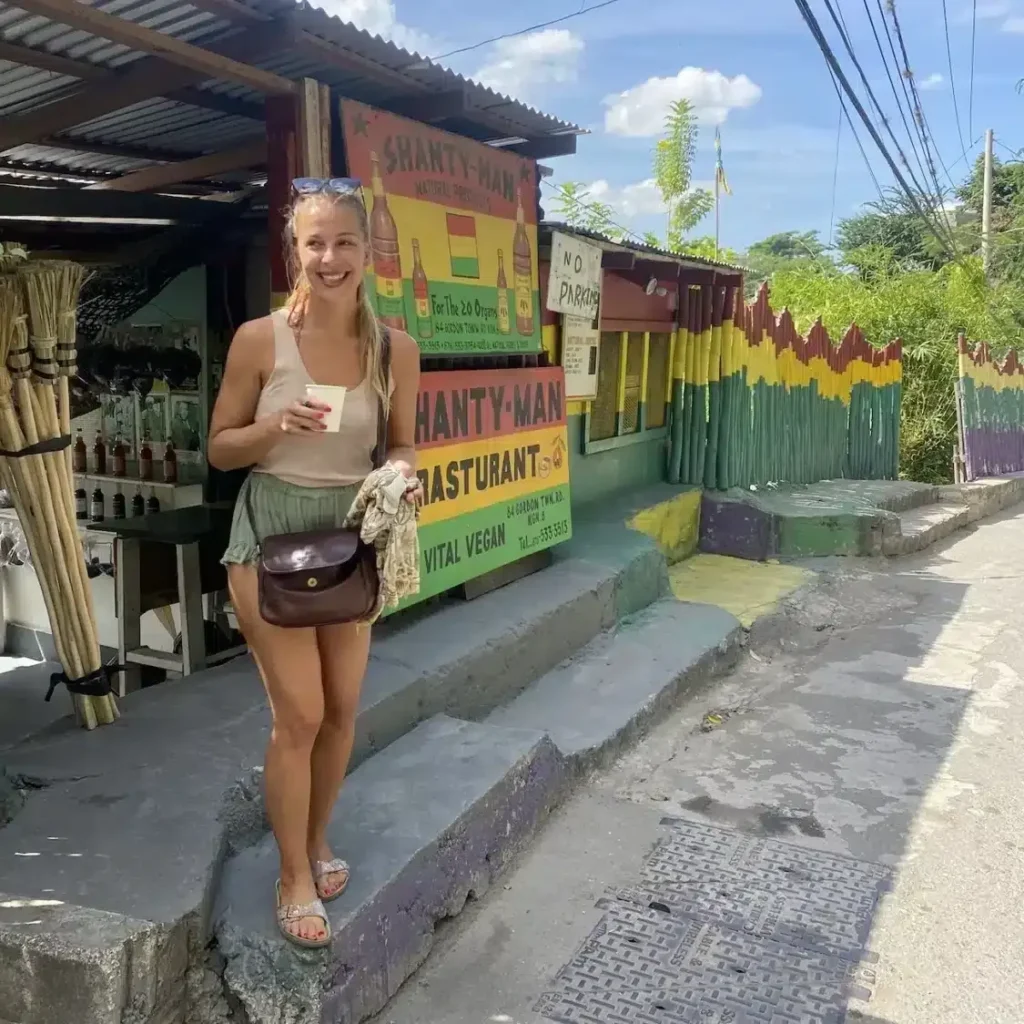
In Jamaica, that might mean choosing a small guesthouse, eating beyond the hotel strip, hiring local drivers and guides, or buying directly from craft producers and food vendors.
In the Dominican Republic, it might mean leaving the all-inclusive bubble for locally run restaurants, booking community-based excursions, spending time beyond resort towns, or choosing smaller stays when they make sense for your trip.
The goal is not to romanticize everything local. Local businesses can also be exploitative, and international businesses can sometimes operate responsibly.
The better question is not simply: local or foreign?
It is: who benefits, who decides, and who is left out?
Questions to ask before booking
Before booking a stay, tour or experience, ask yourself:
- Who owns this business?
- Does this company employ local people in meaningful roles?
- Does it source food, products or services locally?
- Is this experience locally led, or is local culture only being used as decoration?
- Can I book directly, or at least make sure the local provider is fairly paid?
- Will my money move beyond one closed tourism bubble?
- Am I choosing convenience over local impact?
- Am I treating “cheap” as a travel win without asking who pays the real price?
These questions will not always lead to perfect answers. Sometimes the locally owned option is not available. Sometimes direct booking is difficult. Sometimes larger hotels may have stronger labour standards, accessibility, safety measures or sustainability systems.
Responsible travel is not about purity.
It is about paying attention.

Fair tourism note
Tourism leakage is not a reason to feel guilty for traveling.
It is a reason to travel with more awareness.
Not every trip can be perfect. Not every choice will be locally owned, low-impact, affordable and practical at the same time. Travel is full of compromises.
But the way we spend still matters.
A meal matters. A guide matters. A room matters. A souvenir matters. A direct booking matters. A fair tip matters. A question asked at the right moment matters.
Because tourism is not just an industry. It is a relationship between visitors, places and people.
And like any relationship, it becomes healthier when power is acknowledged instead of ignored.
The question we take home
Tourism leakage asks us to look beyond the beautiful surface of travel.
Beyond the beach, the hotel, the tour, the perfect breakfast view. It asks a less comfortable question: when I spend money here, does it help build local value — or does it quietly leave?
We do not have to travel perfectly. But we can travel with more awareness.
Because our vacation money has power. And the more we understand where it goes, the better we can use it.
Responsible travel is not only about where we go.
It is about who benefits when we arrive.