
When Culture Becomes Content: Are We Witnessing or Consuming?
Travel teaches us to look closely.
Social media teaches us to share quickly.
Somewhere between the two, culture can become content before we have taken the time to understand it.
I struggle with this more than people might think. As a travel writer, I am drawn to the exact moments that are hardest to photograph with care: markets, festivals, carnival roads, street corners, family-run restaurants, religious processions and everyday scenes that say more about a place than any hotel view ever could.
A woman selling fruit in perfect afternoon light. Men playing dominoes on a corner. A musician lost in the moment. A procession moving through a village. Someone dressed beautifully for a celebration I have not yet taken the time to understand.
The tension between presence and performance
These are the moments travel photography loves.
They are also the moments where I often hesitate.
Because I keep asking myself: am I really present here, or am I already turning this moment into something for later?
That question is one reason my Instagram is quieter than it could be. I love visual storytelling. I know images can create curiosity, support local businesses, celebrate artists and inspire more thoughtful travel — something I see done thoughtfully by projects like streetsofjamaca. But I also know how easily travel becomes performance.
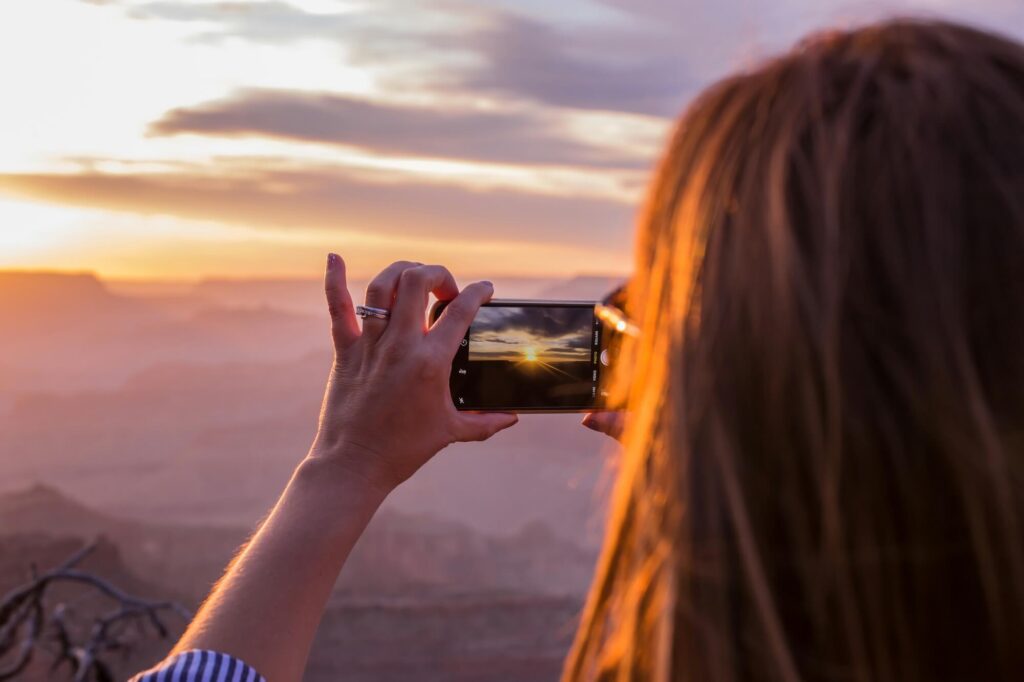
We arrive somewhere beautiful, unfamiliar or emotionally powerful — and instead of staying with the moment, we start thinking about the angle, the caption, the story, the proof that we were there.
And slowly, without meaning to, we stop being travelers inside a place and become producers of our own travel image.
Culture is not material
The problem is not photography. The problem is not social media. The problem is not being moved by what we see when we travel.
The problem begins when living culture becomes material for someone else’s story.
A festival becomes “color.”
A ritual becomes “atmosphere.”
A market becomes “authentic content.”
A person becomes “local character.”
Poverty becomes “raw beauty.”
A sacred space becomes a backdrop.
A community becomes proof that we travel “deeper.”
Many of us want to travel beyond the obvious. We want to understand places through people, traditions, food, music, language, celebration and everyday life. That desire is not wrong. In many ways, it is what makes travel meaningful.
But the deeper we travel, the more responsibility we carry.
Because the places that feel most “real” to us are often simply someone else’s normal life.
The camera changes the moment
There is a moment before every photo where the relationship shifts.
Before the camera, we are present. We are watching, listening, maybe speaking, maybe simply sharing space.
After the camera appears, something changes.
We are no longer only experiencing the moment. We are also framing it, selecting it and preparing it for an audience that is not there.
That does not make photography wrong. Some moments are meant to be photographed. Some people want to be seen. Some festivals, performances and public celebrations are created for visibility.
But intention matters.
Am I taking this photo because I have engaged with what is happening?
Or am I taking it because it makes me look like a more interesting traveler?
That question can be uncomfortable. It should be.
From collecting to connecting
Two travelers can stand in the same place, watch the same carnival, visit the same market or photograph the same street — and have completely different relationships to what they are seeing.
Witnessing means entering a space with humility. It means understanding that what we see had meaning before we arrived and will continue after we leave.
Consuming means taking the most visually interesting part and leaving the context behind.
Witnessing asks: what is happening here?
Consuming asks: how will this look on my feed?
Witnessing slows down.
Consuming collects.
Witnessing respects complexity.
Consuming turns complexity into aesthetic.
A powerful image is not automatically an ethical one.
Carnival is more than spectacle
Carnival is one of the clearest examples.
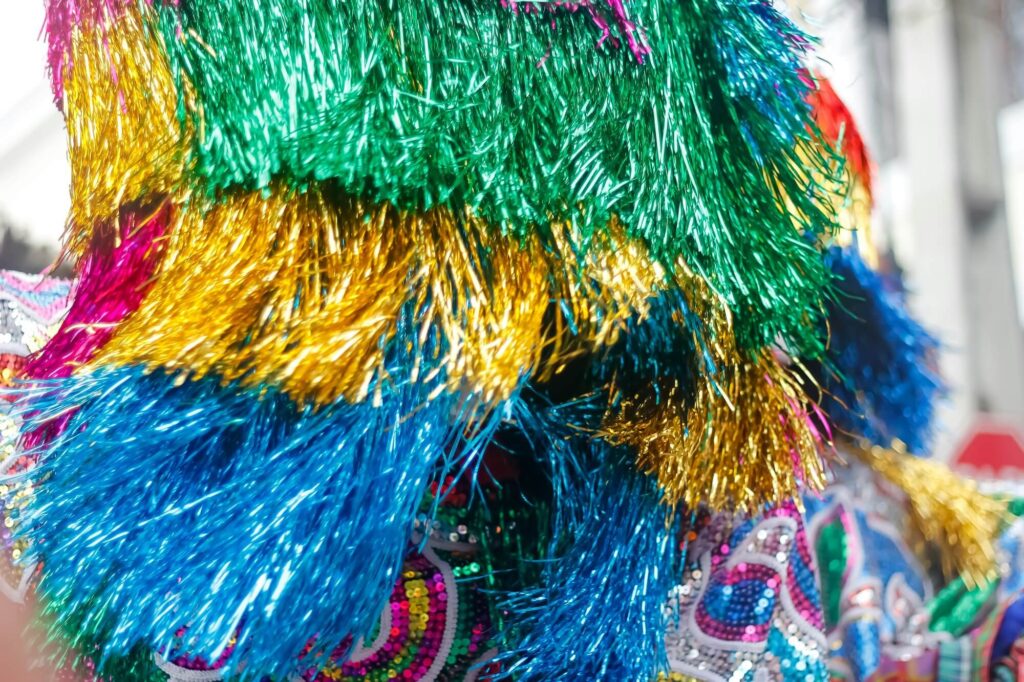
It is almost impossible not to be visually overwhelmed by carnival: feathers, beads, paint, glitter, music, bodies, movement, heat, sweat, rhythm and freedom. Everything feels alive. Everything asks to be photographed.
But carnival is not only spectacle.
It is history. Resistance. Memory. Design. Labour. Mas. Music. Community. Creativity. Identity. Sometimes protest. Sometimes release. Sometimes healing.
If a traveler only sees a “colorful Caribbean party,” they miss the deeper story.
That does not mean carnival should not be photographed. Carnival is public, expressive and often made to be seen. Many masqueraders want to be celebrated. Designers, bands, makeup artists, musicians and performers deserve visibility.
But there is a difference between sharing carnival with context and reducing it to bodies, costumes and clichés.
Are we showing culture, or only spectacle?
Are we crediting the artists, bands, designers and traditions where possible?
Are we explaining what we witnessed, or only using it as proof that we were somewhere exciting?
Carnival can be joyful and photogenic. It can also be deeply rooted and politically meaningful. Responsible storytelling has to leave room for both.
People are not props
Travel content often uses people to create atmosphere.
The old man in a doorway.
The woman at the market.
The fisherman by the sea.
The child waving.
The monk walking past.
The dancer in costume.
The vendor preparing food.
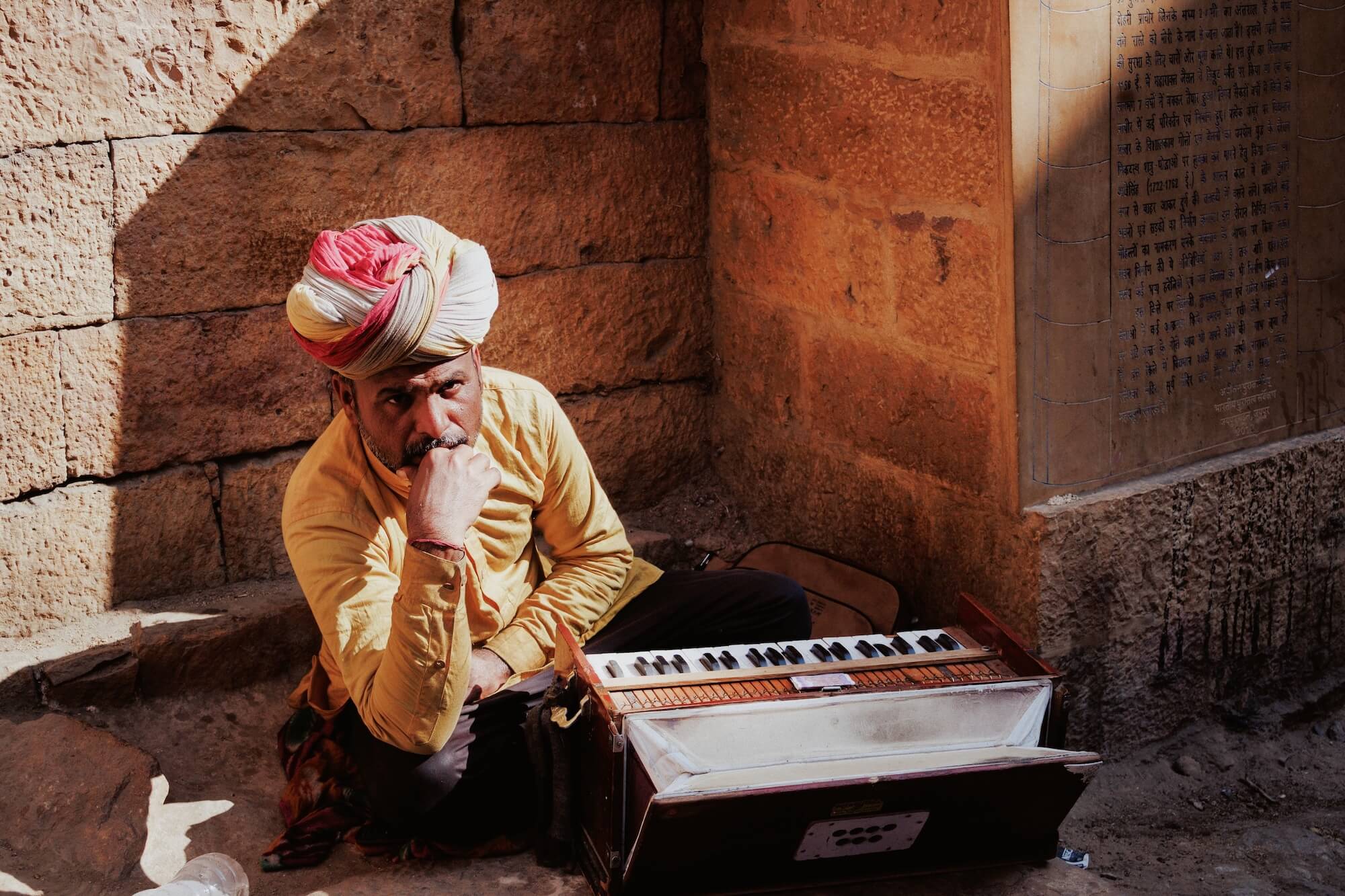
The musician on the street.
These images can be beautiful. They can also be extractive.
The question is not only whether the image looks good. The question is whether the person in it has dignity, context and, where needed, consent.
- Would I take this same photo at home?
- Would I want to be photographed this way?
- Would this person feel respected if they saw the image?
- Am I showing someone as fully human, or turning them into atmosphere?
People are not visual accessories to our journey. They do not exist to prove that a place is authentic. They do not owe us access to their faces, homes, rituals, children, labour or grief because we arrived with curiosity.
Curiosity is not permission.
Some moments need extra care
Some subjects require more caution than others.
Children should not become travel content. A smiling child may make a beautiful image, but children cannot meaningfully consent to becoming part of a stranger’s platform.
Poverty also needs care. Hardship is not atmosphere. It is not proof that a place is “real.” It is not a visual shortcut to emotion.
Sacred spaces require humility. Religious ceremonies, funerals, rituals, temples, mosques, churches, shrines and spiritual practices are not automatically ours to document just because we are allowed to witness them.
Not everything we are allowed to see is ours to share.
Sometimes respect looks like asking first.
Sometimes it looks like standing at a distance.
Sometimes it looks like keeping the memory for yourself.
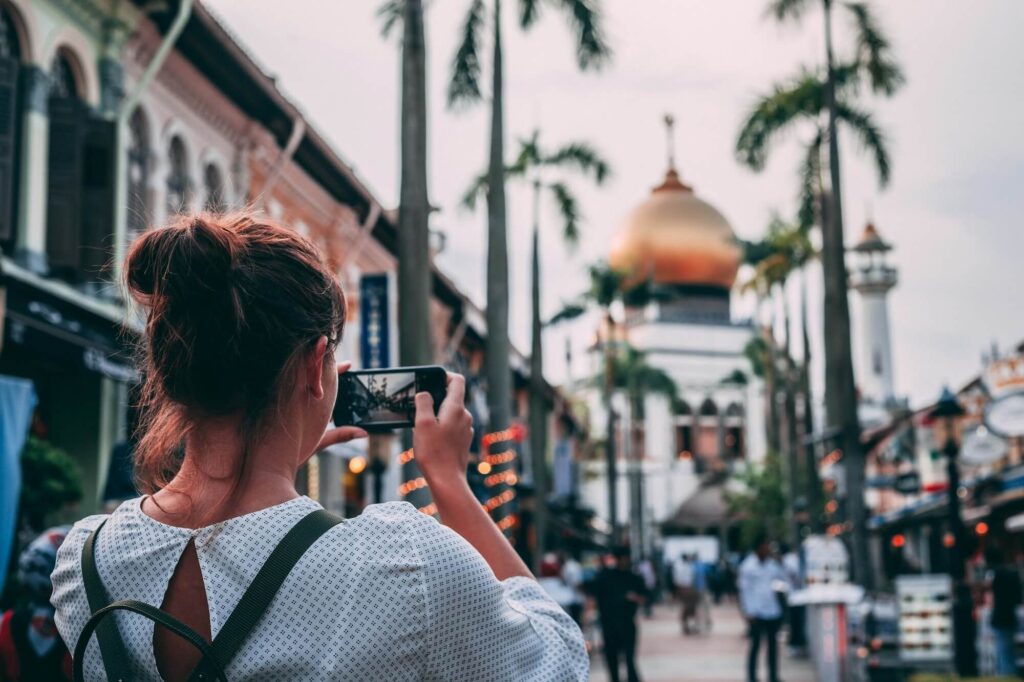
How to share with more care
Being a more present traveler does not mean never taking photos. It means changing what happens before and after the photo.
It can look like this:
- Greet before you photograph.
- Ask before taking close portraits.
- Learn what you are witnessing before posting it.
- Buy from the market stall, not just photograph it.
- Credit artists, guides, designers, cooks, musicians and local businesses.
- Put your camera down during moments that feel intimate, sacred or vulnerable.
- Avoid using children as travel content.
- Do not photograph poverty for emotional effect.
- Share context, not clichés.
- Let some moments stay private.
The goal is not to travel perfectly.
The goal is to stay awake inside the experience.
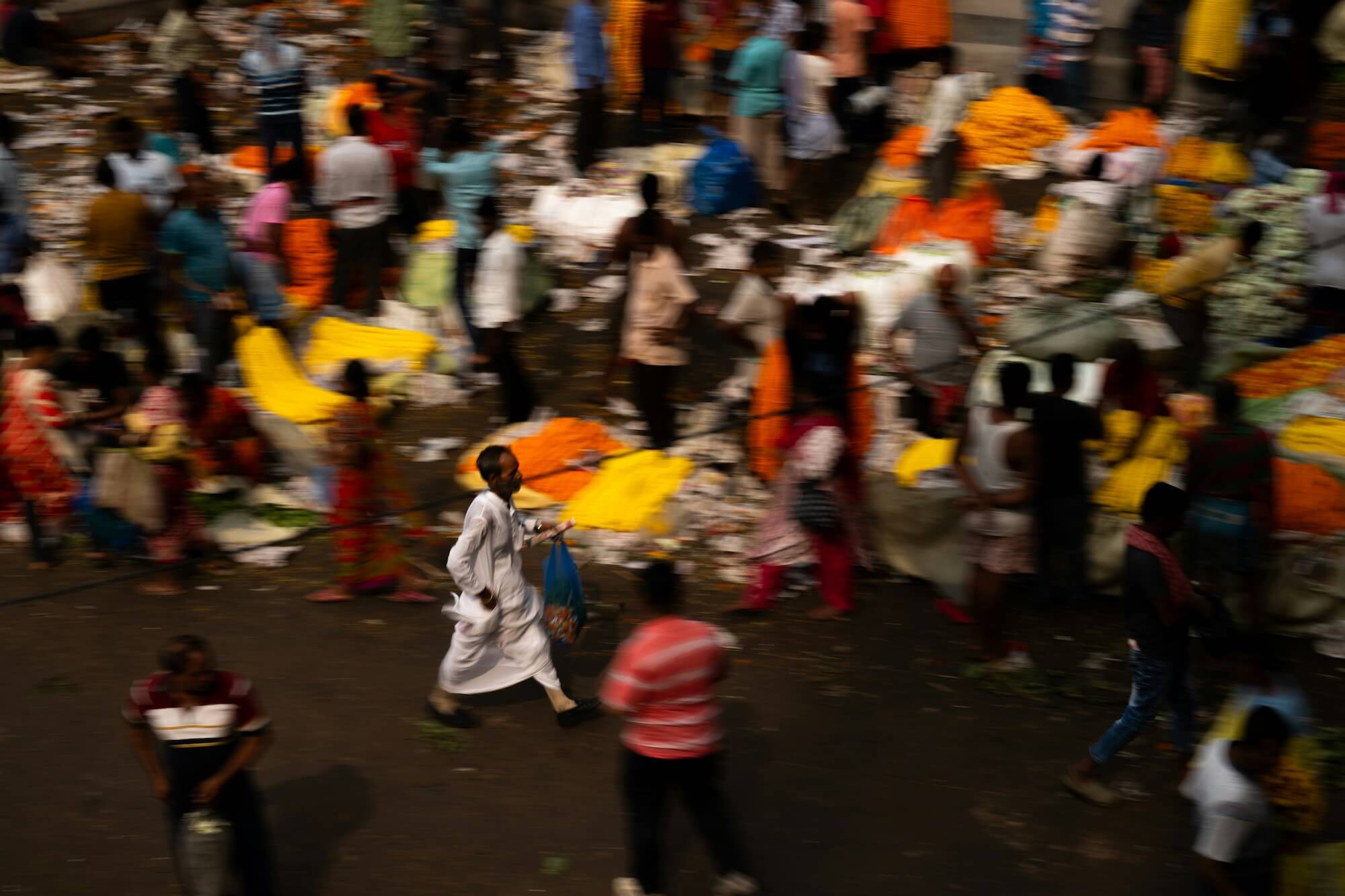
The question we take home
Culture is one of the reasons many of us travel.
We want to see how people celebrate, create, mourn, worship, cook, dress, dance, gather and tell stories. There is nothing wrong with being moved by that. There is nothing wrong with wanting to remember it.
But being moved by something does not automatically make it ours.
The question is not whether we should share what we experience.
The question is whether we were truly present before turning it into content.
Travel asks us to look closely. Social media asks us to show quickly.
Responsible travel asks us to pause.