Dominica
Caribbean
Dominica is often called the “Nature Island of the Caribbean,” and the description feels accurate the moment you arrive. Instead of large resorts and long resort beaches, the island offers rainforests, waterfalls, volcanic landscapes, and small coastal communities shaped by nature.
Life here moves at a slower rhythm. Roads wind through mountains and valleys, villages sit between forest and sea, and many experiences involve hiking, swimming in natural pools, or exploring rivers and reefs.
Places like Roseau and Portsmouth are the main urban centers, while most of the island remains rural and closely connected to the landscape. Dominica suits you if you enjoy wild nature, hiking, diving, and islands that feel largely untouched by mass tourism.
Why Visit Dominica?
Dominica is small in scale — around 72,000 people across just 750 km² — yet remarkably wild. Within short distances, you move between rainforest, volcanic peaks, waterfalls, and coral reefs, making it one of the Caribbean’s most nature-focused destinations.




Follow me to Dominica
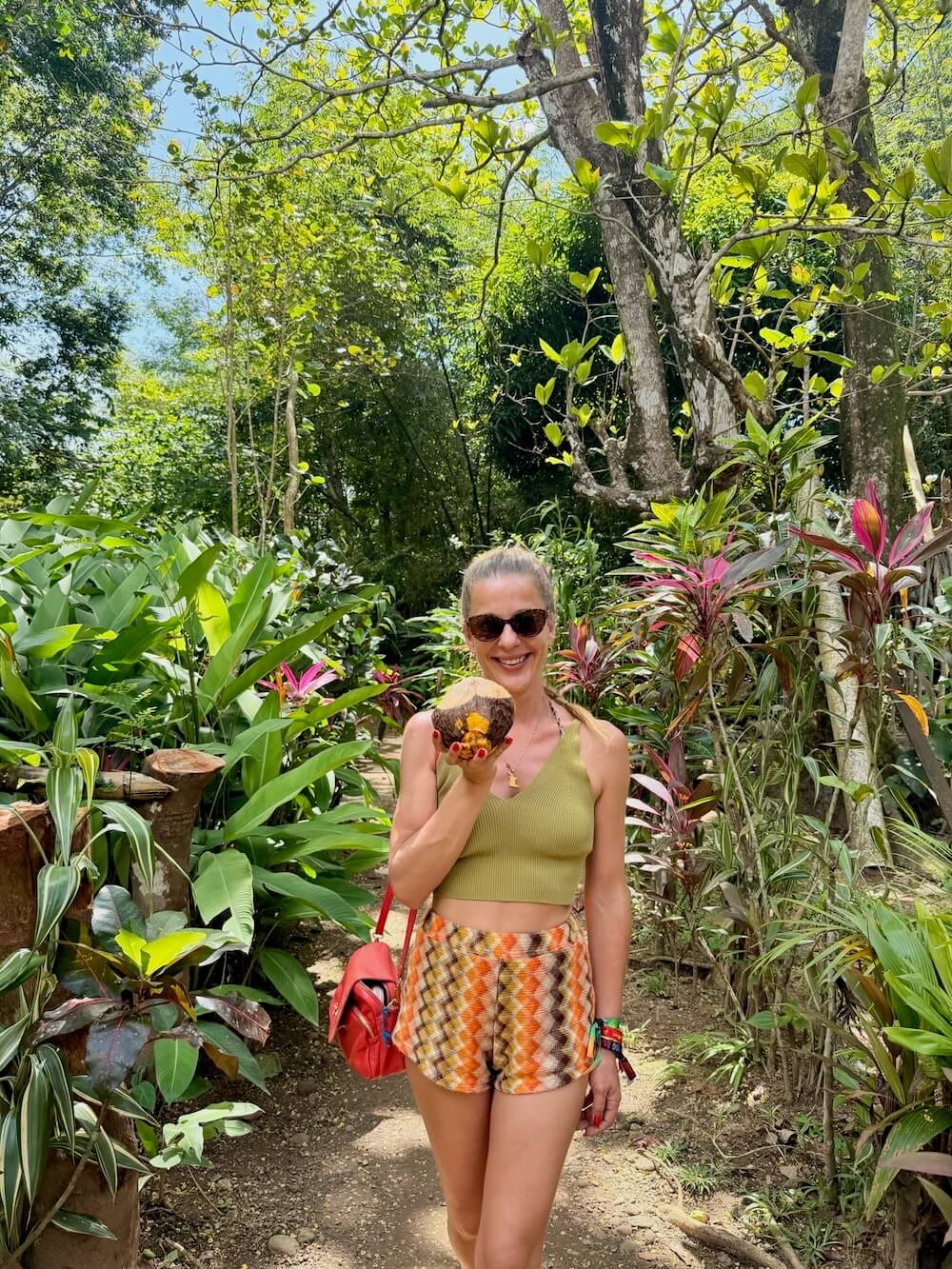
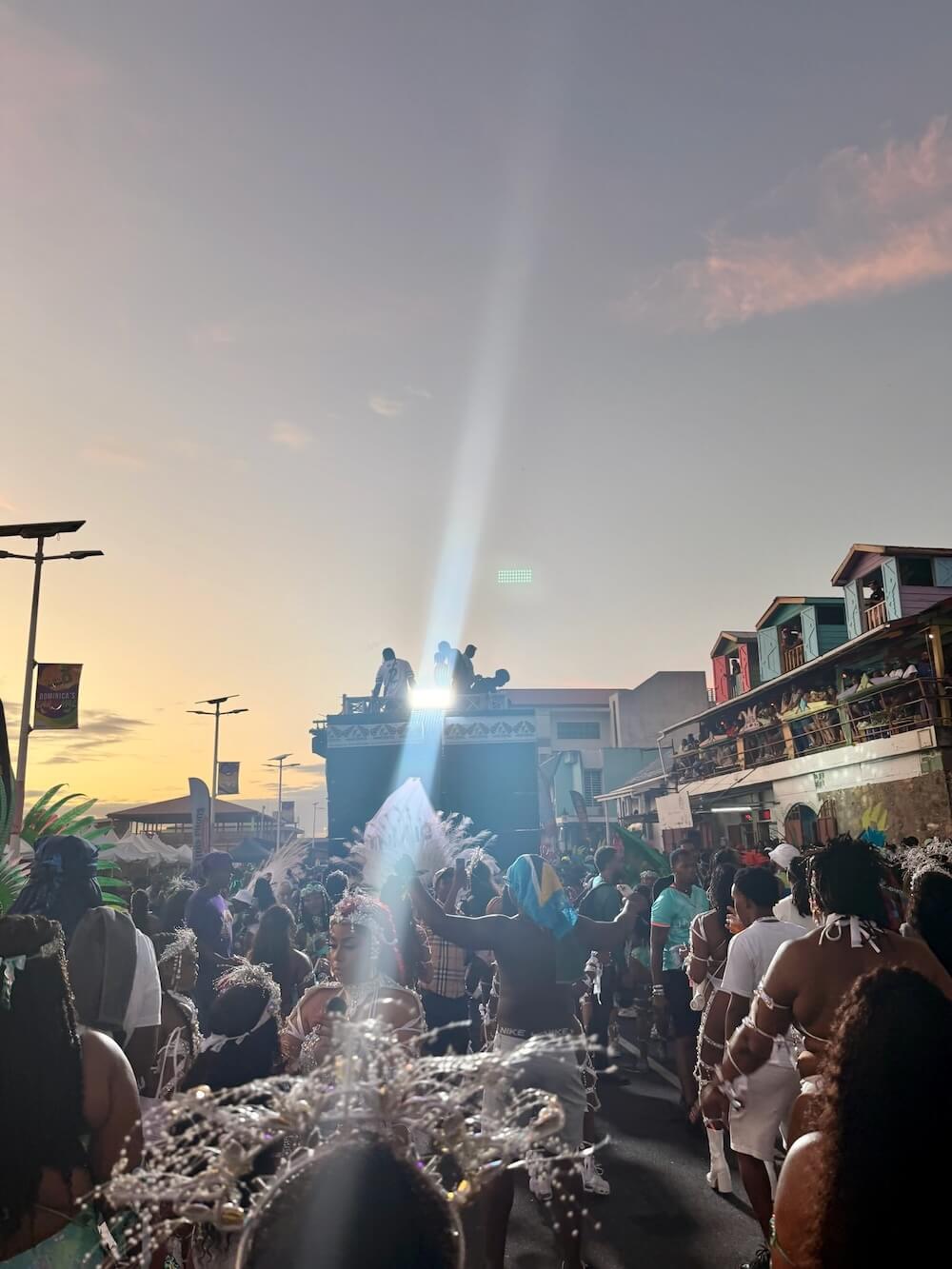
Dominica is one of the Caribbean islands that feels the most different from typical beach destinations. During my time there — including a visit during Carnival — the island’s wild landscapes, hiking trails, and welcoming communities stood out far more than traditional resort experiences. Follow along for honest impressions, practical tips, and ideas to help you plan a trip to Dominica.
Beaches in Dominica
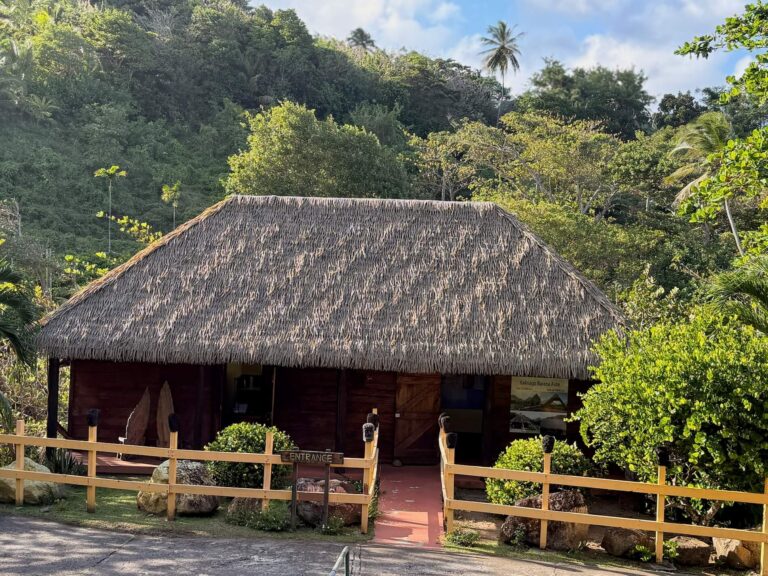
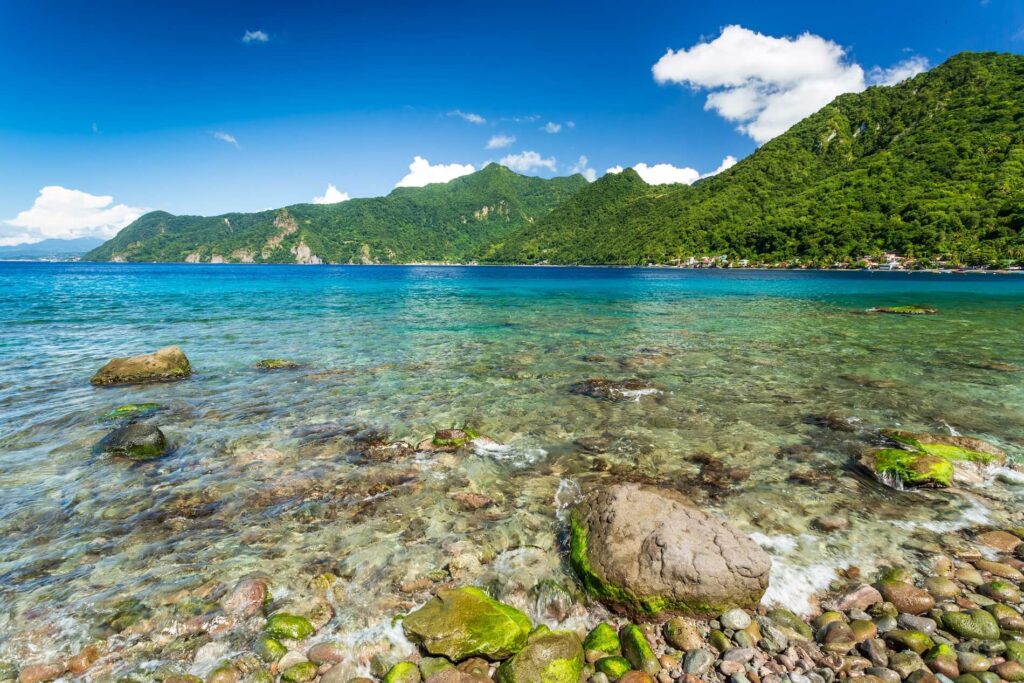
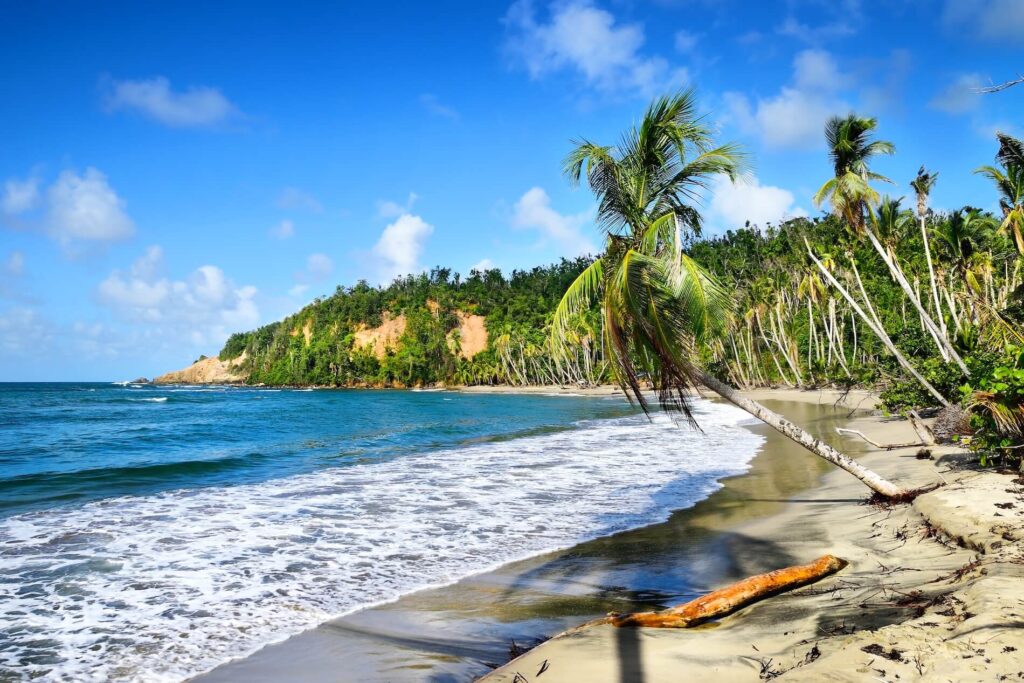
JamaicaDominica’s coastline feels rugged and largely untouched, shaped more by volcanic landscapes and rainforest than by long resort beaches. Much of the shore is rocky or covered with dark volcanic sand, where mountains rise steeply from the sea and small fishing villages sit along narrow coastal roads.
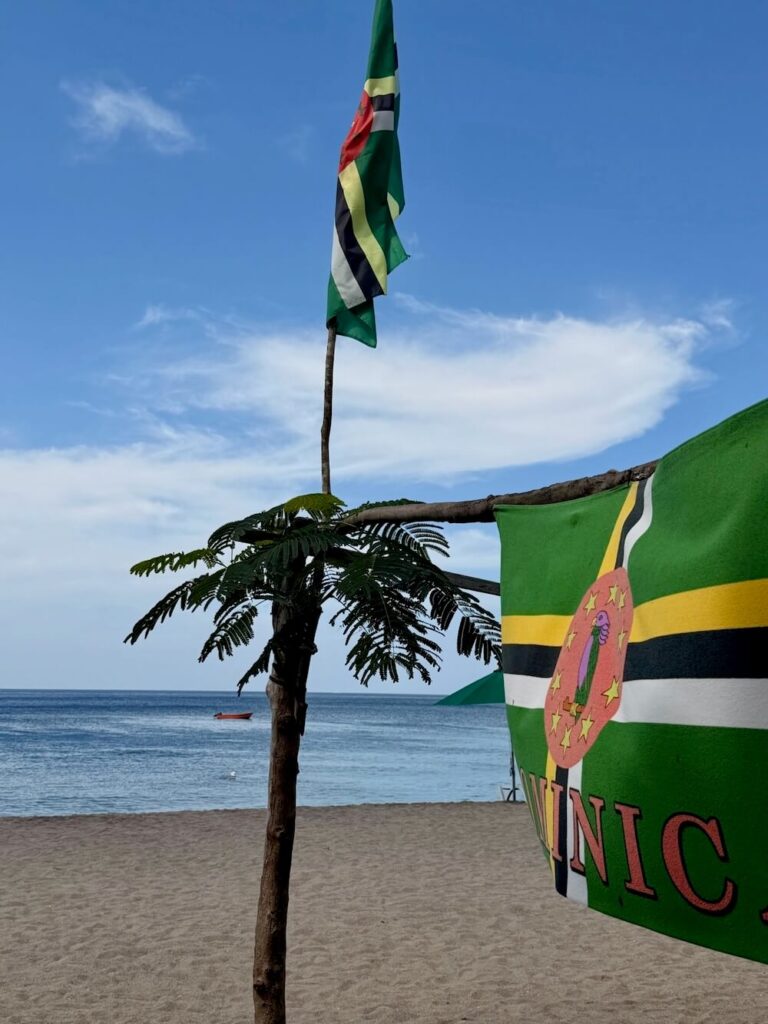
Places like Mero Beach and Purple Turtle Beach near Portsmouth offer the most accessible swimming, where local beach bars, calm water, and sunset views create a relaxed atmosphere. Many other coastal spots are smaller coves or river mouths where the sea is part of everyday life rather than classic beach tourism.
What Dominica lacks in long sandy beaches, it more than makes up for underwater. The island is widely known for its exceptional diving, with volcanic reef systems, underwater pinnacles, and dramatic drop-offs surrounding much of the coastline. Sites such as Champagne Reef, where geothermal bubbles rise through the water, make Dominica one of the Caribbean’s most distinctive dive destinations.
Dominica’s coast suits you best if you enjoy wild scenery, quiet swimming spots, and exploring what lies beneath the surface as much as the shoreline itself.
Nature adventures in Dominica
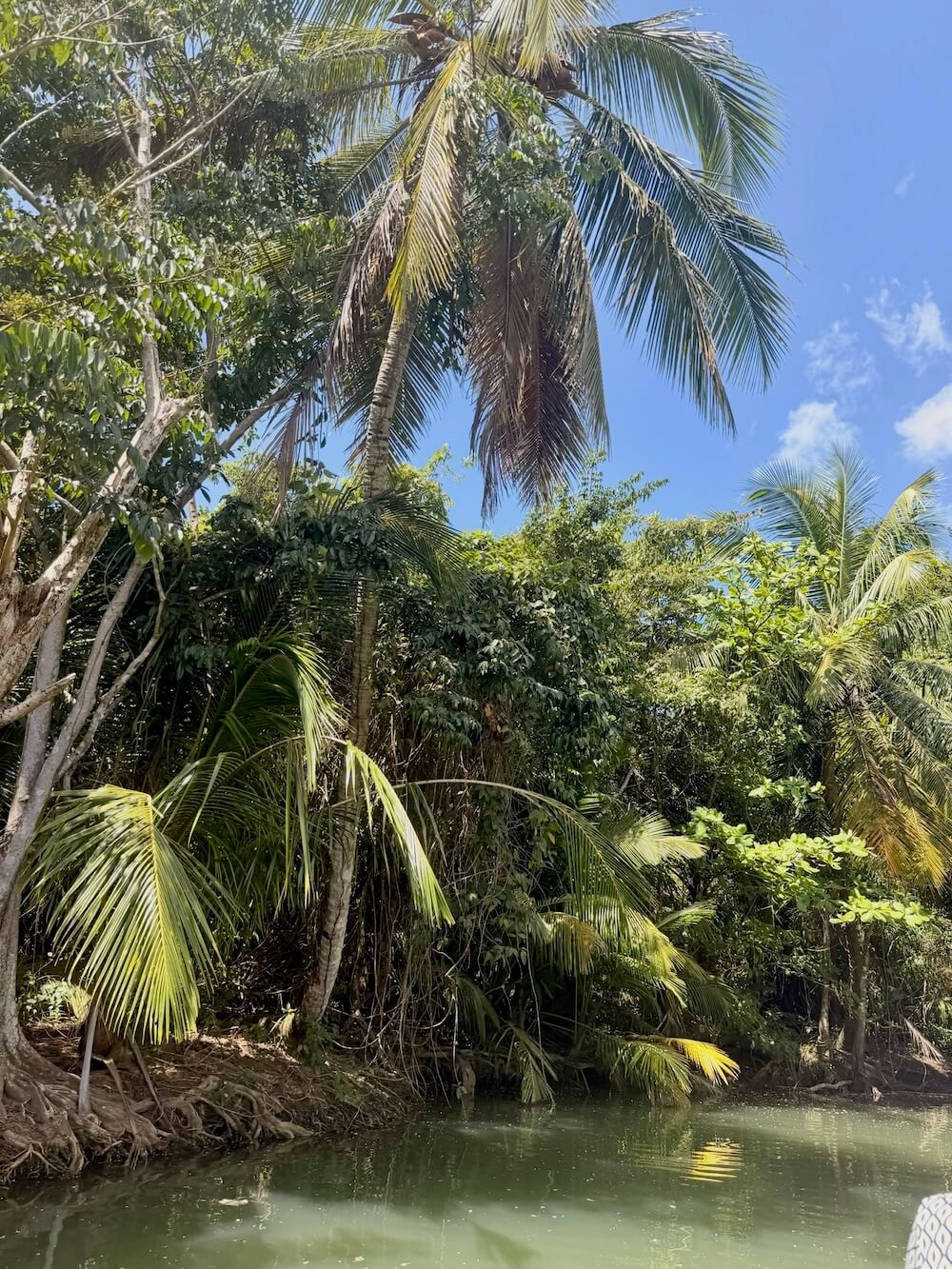
Nature in Dominica often appears between places rather than as separate attractions. Rainforest, rivers, and waterfalls sit close to everyday roads and villages, and it’s common to encounter hiking trails or natural pools just minutes from the coast.
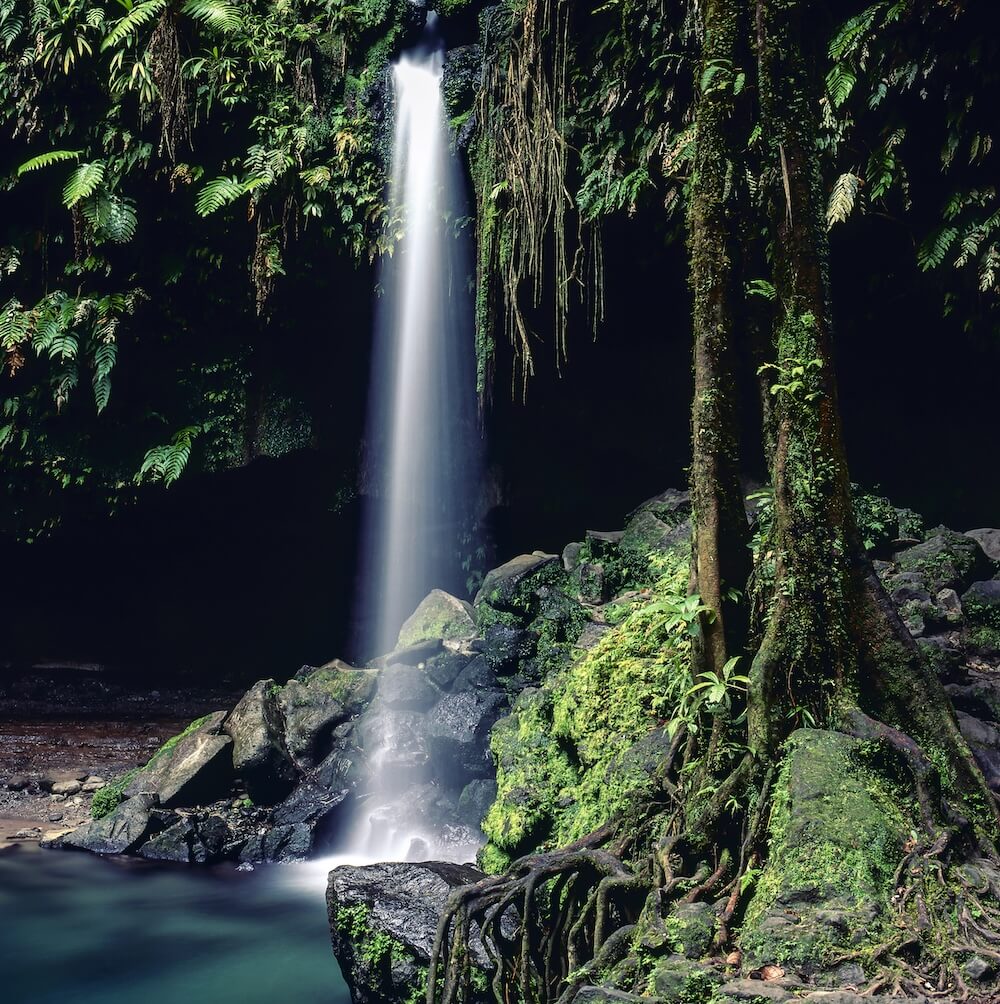
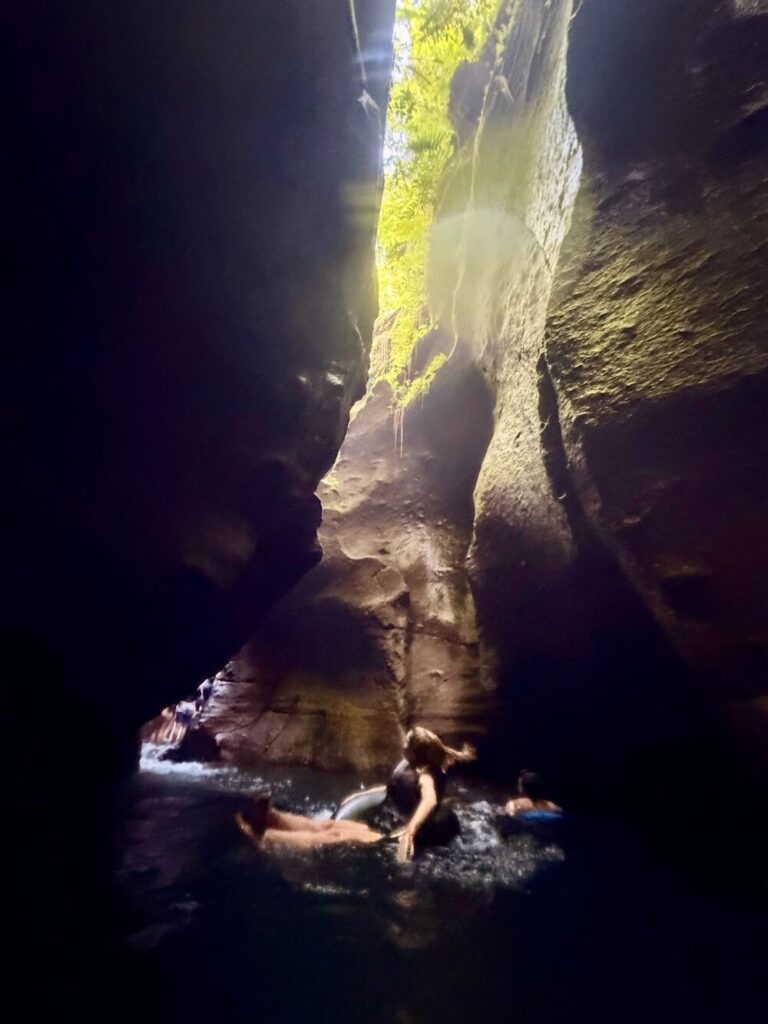
Some of the most memorable landscapes lie within Morne Trois Pitons National Park, where sites like the Emerald Pool, Titou Gorge, and the famous Boiling Lake reveal the island’s volcanic origins. Elsewhere, waterfalls such as Trafalgar Falls or Middleham Falls sit deep in the forest, reached by trails that pass through dense vegetation and mountain valleys.
Dominica’s nature is best experienced slowly. Trails can become muddy, weather changes quickly in the mountains, and many places feel more like part of the landscape than carefully designed attractions. The island rewards curiosity — where rainforest, rivers, and everyday life often meet along the same path.
People & everyday life in Dominica
People shape Dominica as much as its landscapes. The island’s culture reflects a mix of African, Caribbean, and Indigenous Kalinago influences, visible in language, food, music, and daily traditions. English is the official language, but many Dominicans also speak Kwéyòl (Dominican Creole) in everyday conversation.
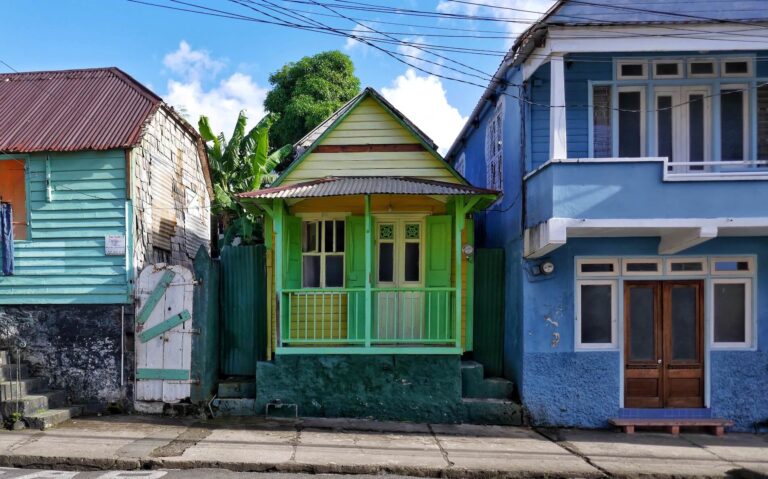
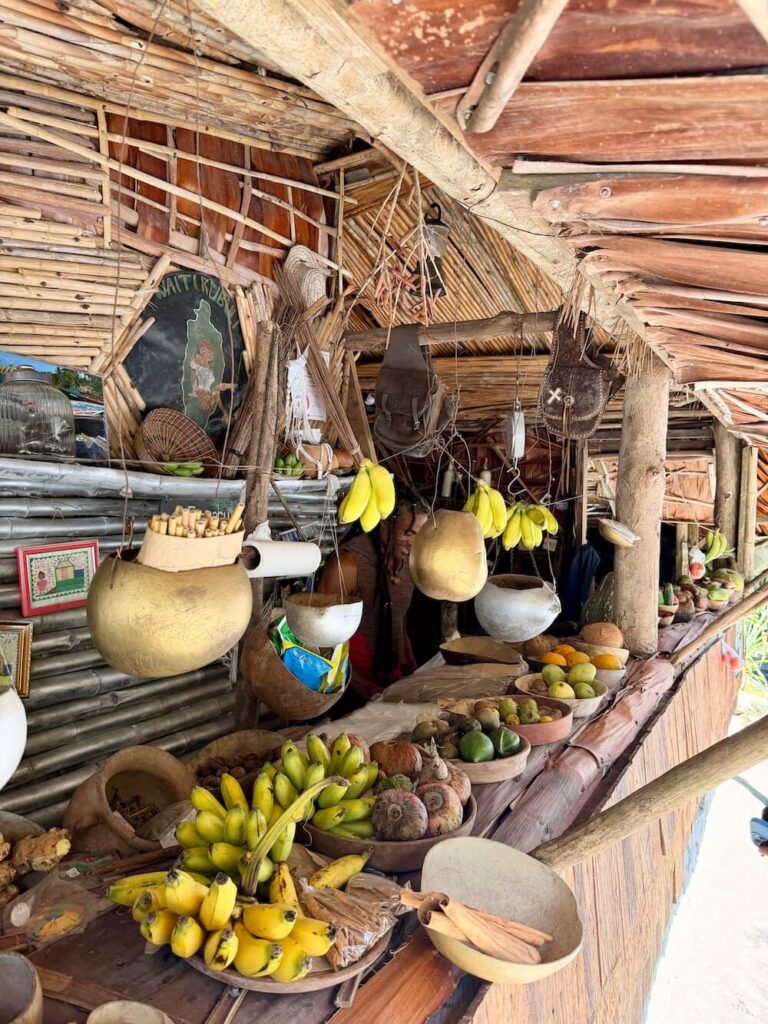
Life on the island moves at a relaxed pace. Small villages, roadside food stalls, and local markets are central meeting points where conversations happen easily and community life unfolds in the open. Fishing, farming, and small businesses still play an important role in everyday livelihoods.
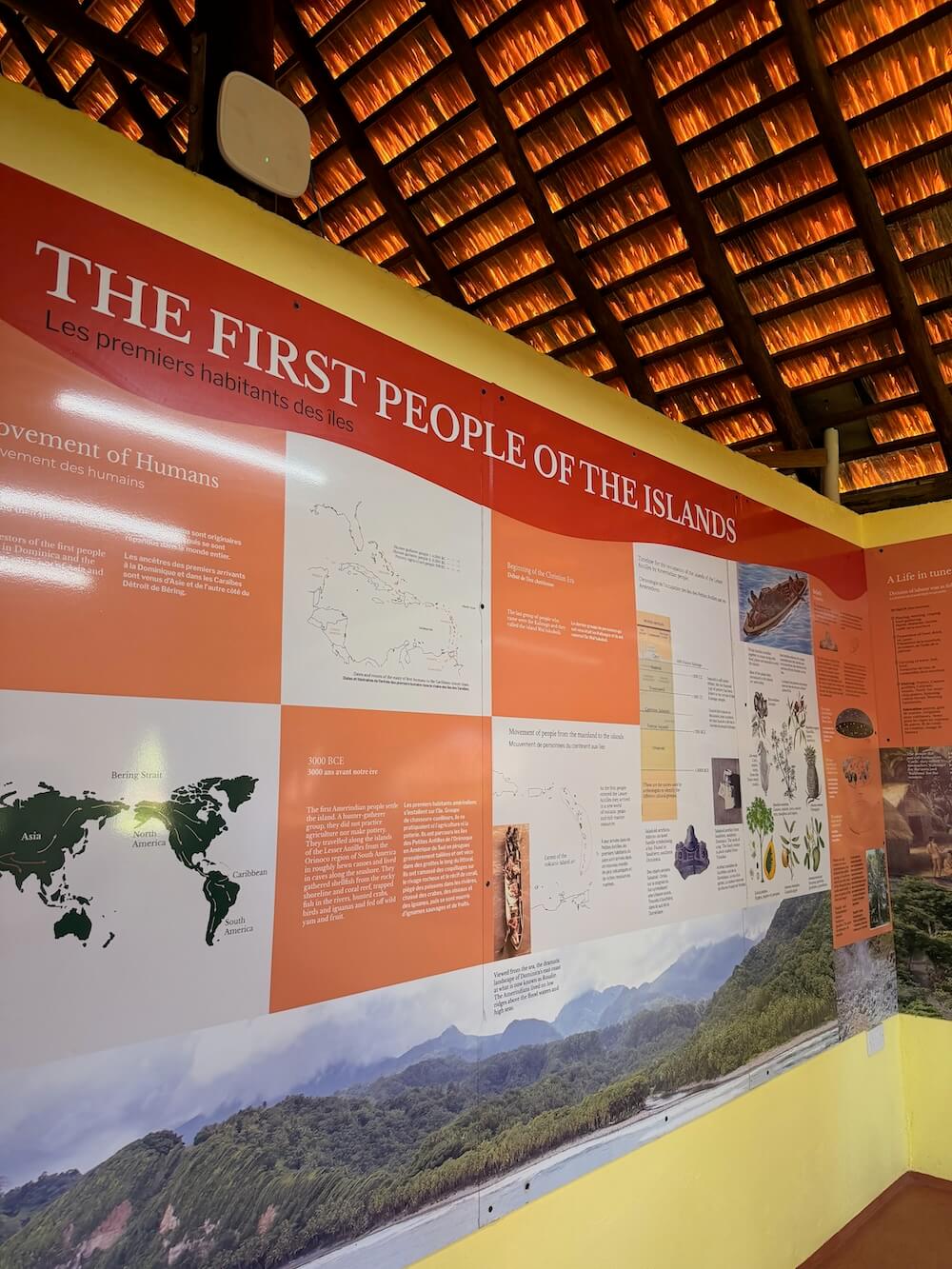
On the island’s east coast, the Kalinago Territory preserves the heritage of the Caribbean’s last remaining Indigenous community, where traditional crafts, storytelling, and cultural knowledge remain part of daily life.
Festivals & Happenings
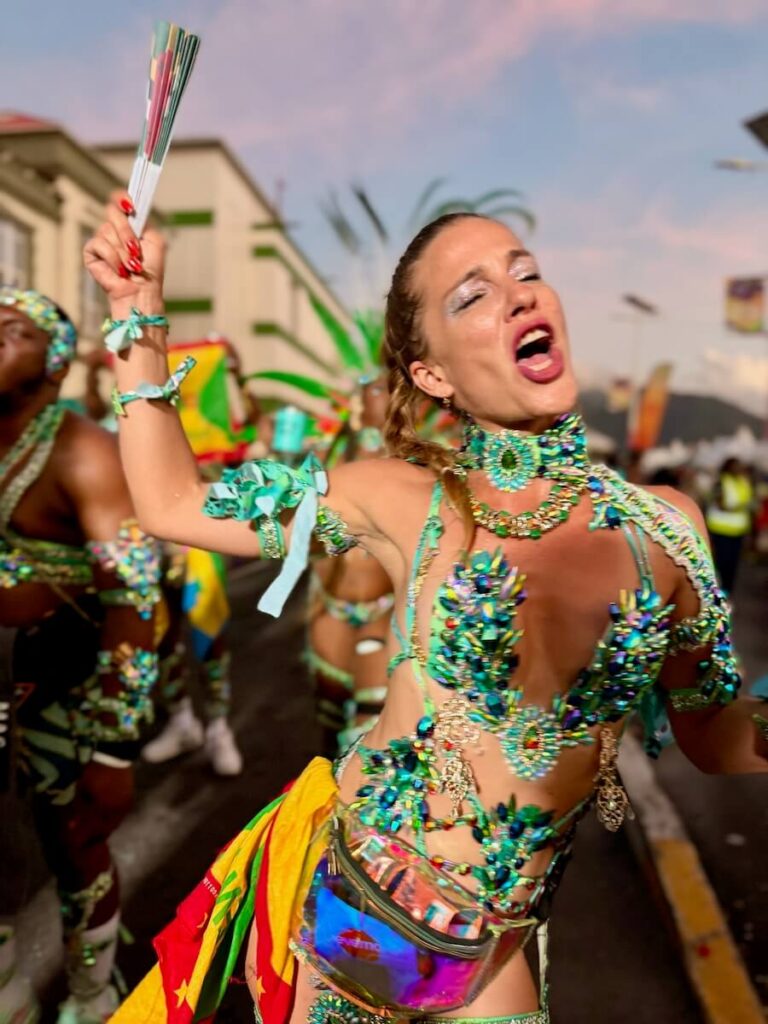
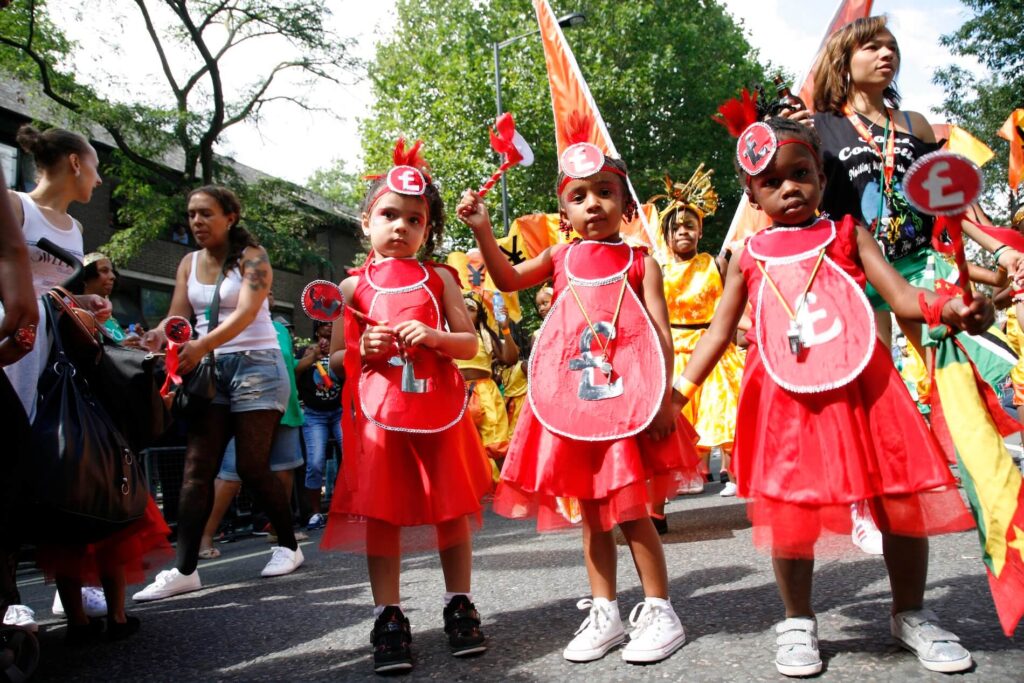
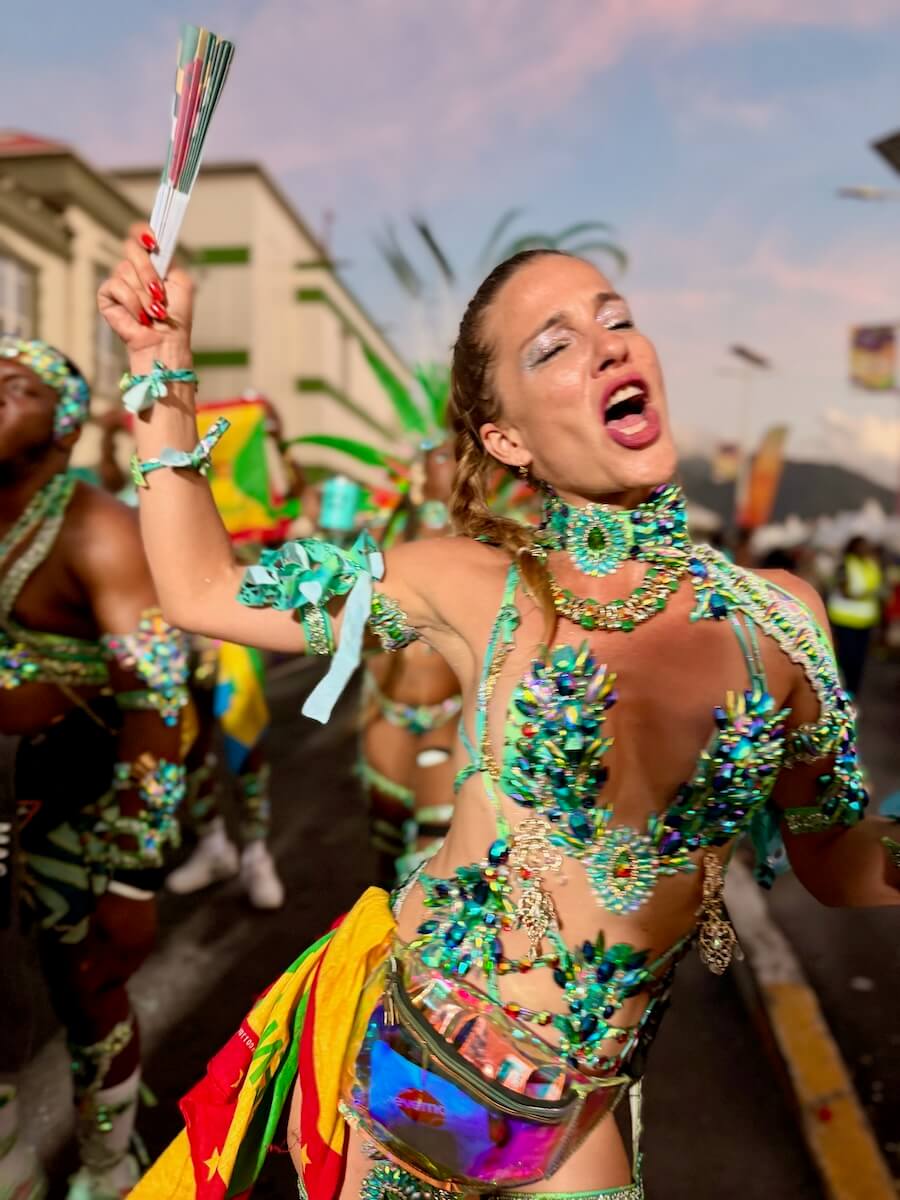
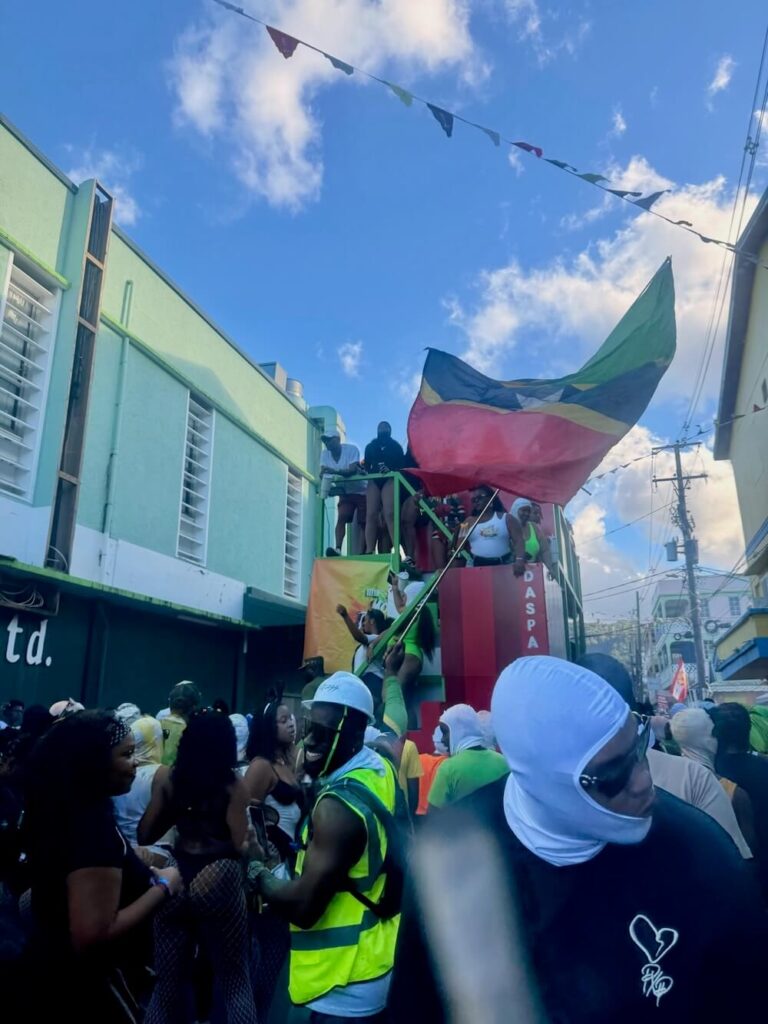
Festivals in Dominica reflect the island’s strong Creole culture, music, and community traditions. The most lively time of year is Dominica Carnival (Mas Domnik), usually held in February, when the streets of Roseau fill with colorful costumes, calypso competitions, and energetic parades.
Later in the year, the World Creole Music Festival brings artists from across the Caribbean and the wider Creole-speaking world to Dominica, celebrating rhythms like zouk, bouyon, and reggae.
Beyond these major events, everyday life on the island includes village celebrations, local music, and food gatherings, especially on weekends, where community life and Caribbean hospitality take center stage.
Looking for a Tailor-Made Adventure?
Whether you’re dreaming of exploring hidden gems or indulging in unique experiences, we will design an unforgettable journey that fits your style and preferences. Contact us today to start planning your personalized trip!
Practical Travel Tips for Dominica
