Port of Spain
TRINIDAD
Trini’s notorious capital – Is it worth a visit?
Port of Spain, the vibrant capital of Trinidad and Tobago, has become a place I love returning to. Nestled between the coast and lush hills, the city offers a mix of colorful Caribbean homes and historic colonial architecture.
From the moment you arrive, the diversity of its people is striking—a vibrant blend of African, Indian, Spanish, and other cultures that shape its energy, traditions, and food.
While its reputation might deter some visitors outside Carnival season, Port of Spain has a unique charm for those willing to dive in. Like Kingston, it’s not conventionally beautiful, but its energy, culture, and character make it a fascinating place to explore.
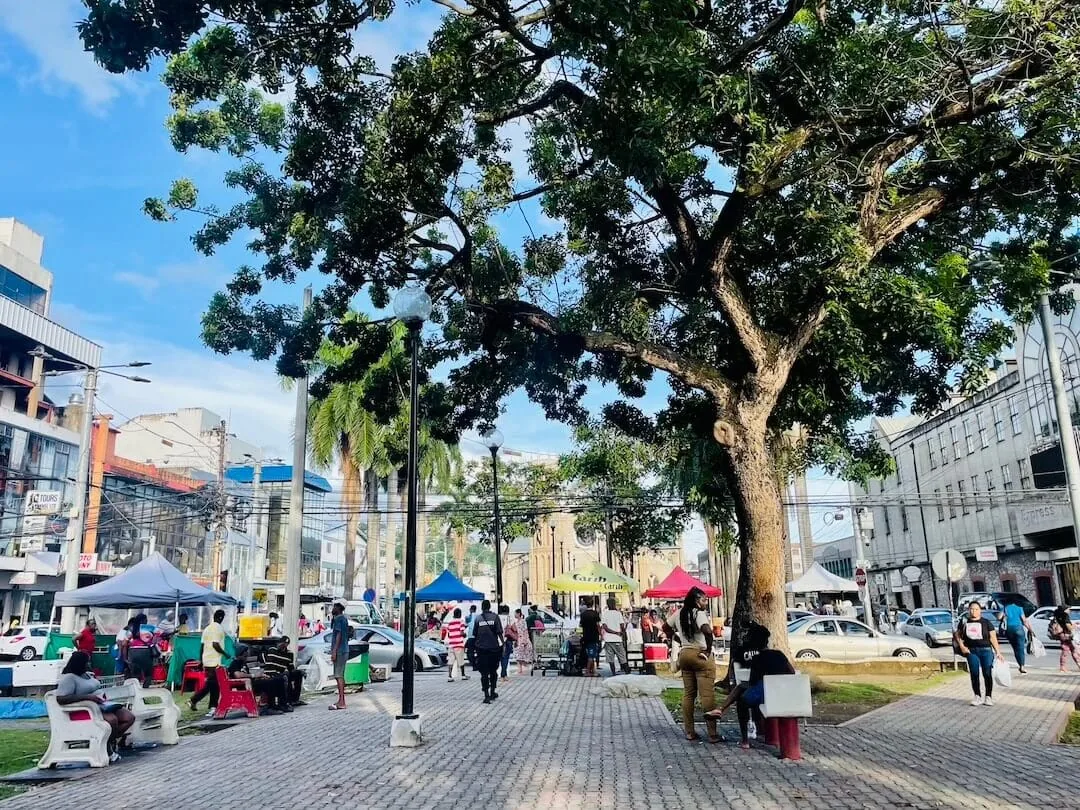
Its streets pulse with life, from bustling markets and street food vendors to vibrant nightlife and cultural landmarks like the Queen’s Park Savannah.
Whether it’s exploring its rich history, tasting doubles from a roadside vendor, or simply soaking up the atmosphere, Port of Spain offers experiences that stay with you long after you leave.
Port of Spain has a special place in my heart, not just because it’s full of life and culture but because it feels like home in a way no other city does—my boyfriend lives here. Walking its streets, I’m struck by the city’s rhythm, from the hum of street vendors selling doubles to the music that spills out of passing cars. The blend of vibrant neighborhoods, lively markets, and quiet moments at the Queen’s Park Savannah gives the city a personality that feels alive and authentic.
When I first heard about the state of emergency, I wasn”t worried, but I did notice how it changed people”s perception of Trinidad. Despite the news headlines, once I arrived, it felt like life in Port of Spain hadn”t skipped a beat. Bars still buzz with conversation, street vendors serve up their usual treats, and local events carry on as they always have. If you”re planning a visit, there”s no need to hold back—Trinidad”s vibrant culture is still there, waiting to be explored.

Best beach stays in Port of Spain
Port of Spain is the most practical base for a first trip to Trinidad, but I would not choose a hotel here only by price. The neighborhood matters — for getting around, feeling comfortable, reaching restaurants, and starting day trips without spending too much time in traffic.
For most travelers, I would look around St. Ann’s, Cascade, St. Clair, Woodbrook, or St. James. These areas keep you close to the city, but also make it easier to reach the Queen’s Park Savannah, the Northern Range, and the main routes out of Port of Spain.
The Chancellor Hotel is a good choice if you want a calmer Port of Spain base. It sits in St. Ann’s, close to the Queen’s Park Savannah, the Botanical Gardens, and the road up into the Northern Range.
I like this area because it feels a little softer than staying right in the middle of the city. It works well if you plan to explore the north coast, visit Maracas, or simply want somewhere quieter to return to after a busy day.
Best for: couples, first-time visitors, quieter city stays, and travelers with a rental car.
Culture Crossroads Inn is a smaller, more personal option in St. James. This part of Port of Spain feels more local and lived-in, with food spots, traffic, music, and everyday city life close by.
I would choose this if I wanted something less anonymous than a larger hotel. It is a good fit for travelers who are curious about Trinidad beyond the polished visitor version, but still want a comfortable and manageable base.
Best for: solo travelers, couples, culture-focused travelers, and anyone who prefers an inn or guesthouse feel.
Kapok Hotel is one of the easiest all-round choices in Port of Spain. It is in St. Clair, close to the Queen’s Park Savannah, the Botanical Gardens, and the Magnificent Seven, with good access to restaurants and city sights.
It is not the most intimate stay, but it is practical, established, and well located. If this is your first time in Trinidad and you want to keep logistics simple, Kapok is probably the safest bet.
Best for: first-time visitors, Carnival trips, business-leisure stays, and travelers who want convenience.
Stroll Queen‘s Park Savannah
Queen’s Park Savannah is one of my favorite places to explore in Port of Spain. It used to be a sugar plantation and later a racecourse, but now it’s a lively gathering spot and the center stage for Trinidad’s famous Carnival. The 3.7-kilometer loop around its lush lawn—often called the world’s largest roundabout—draws joggers, evening walkers, and vendors selling fresh coconut water to help you beat the heat.
Throughout the year, there’s always something happening here. During Easter, you can join locals flying “mad-bull” kites, and when Carnival season rolls around, the Savannah transforms into the pulsating center of Trinidad’s biggest celebration. By night, street food stalls near the National Academy for the Performing Arts serve mouthwatering Trini delights.
If you want a quieter spot, head just north to Circular Road, where the serene Hollows has fishponds and gentle hillocks perfect for a peaceful walk. Nearby, the historic Peschier Cemetery pays tribute to the French Creoles, and the President”s House—built in 1818—adds a dash of colonial grandeur. Whether you”re here for a jog, a festival, or just a taste of local life, the Savannah never disappoints.

The Magnificent 7
If you find yourself strolling along Maraval Road in St. Clair, you can’t miss the Magnificent Seven—a stunning row of colonial-era mansions that exude old-world glamour. Built between 1902 and 1910 on what was once farmland, these architectural treasures were commissioned by affluent residents during a period of economic prosperity. Influenced by European styles, the mansions showcase an eclectic mix of Gothic, Moorish, and Renaissance Revival designs. Today, they stand as iconic landmarks, preserving a glimpse of Trinidad’s colonial history and architectural heritage.
Take in the views from Fort George
This historic fort is one of my favorite places in Trinidad. It sits high above Port of Spain and the Gulf of Paria, giving you sweeping views of the city and sea.
The easiest way to get there is by rental car, but if you’re feeling adventurous, it’s about an hour’s walk uphill. Once you reach the top, you’ll find old stone walls, rows of cannons, and a wooden signal station that tells the fort’s story.
Built in 1883 by Ashanti prince Kofi Nte, it”s a fascinating glimpse into the island”s past.
Independence Square and downtown
Head to downtown Port of Spain for a unique blend of culture, commerce, and cosmopolitan life. On your way there, you’ll pass by the historic Independence Square, adorned with colorful flags from all 32 countries in the Caribbean region. Take a moment to pause here and take in the wonderful sight of historic buildings, monuments, and lush gardens that make up this buzzing plaza. Downtown Port of Spain is full of stores selling anything and everything. You’ll find street food and local fruits and veggies as well.
Farmers Market on Saturdays
The Port of Spain Farmers Market is a must-visit on Saturdays. Here, you’ll find an array of fresh fruits and vegetables from the nearby farms as well as handmade crafts from local artisans. It’s also a great spot to buy souvenirs for your loved ones back home. Prices are usually quite reasonable, so it’s worth doing some bargaining before making a purchase.
Relax at the Royal Botanical Gardens
The Botanical Gardens of Port of Spain are the perfect spot to relax and enjoy the beauty of nature. Spend a peaceful afternoon strolling through the lush gardens, admiring its great variety of plants and flowers. Make sure to keep an eye out for exotic birds such as hummingbirds or flamingos, which can often be seen perched among the trees. It’s a super beautiful way to take a break from the city!
The garden are open daily from 6 am til 6 pm.
Sample the diverse cuisine
From street food to fine-dining restaurants, Port of Spain offers a host of diverse culinary experiences. Try the tasty local dishes such as roti and callaloo and be sure to wash it all down with a cool glass of sorrel juice. The cuisine reflects the diverse population of the city so you’re sure to discover something new and delicious. Trinidad Food tours offers culinary tours across the island and in Port of Spain.
Tour a panyard
The steel pan is a unique instrument, born in Trinidad and Tobago. Steelpan music has become an integral part of the culture and many visitors take the opportunity to visit the steelpan bands for a behind-the-scenes look. We loved listening to the bands and watching them practice. After we left last year, the United Nations declared August 11 World Steelpan Day. Knowing the Trinis there will be great celebrations going on.
Nightlife in Woodbrook
With an abundant selection of bars, clubs, and restaurants, this neighborhood offers a sensational nightlife experience. Indulge in delectable local cuisine infused with the flavors of the Caribbean, all while immersing yourself in the captivating sounds of Soca and Calypso dancing. The Avenue as many refer to is a street in Woodbrook where you can just bar or restaurant hop from one place to another.
Day trip to nearby beaches
Maracas Beach
Maracas is hands-down my favorite beach in Trinidad—and one of my top picks in the entire Caribbean! It’s about an hour from Port of Spain, and the drive through lush, green hills is gorgeous. The beach truly comes alive on weekends when locals come out to rent $10 sunbeds, enjoy tasty snacks, and swim in emerald-green waters. If you’re not renting a car, TT rideshare is convenient—just be sure to schedule your ride back or consider booking with a local tour company like Kalloo’sCaribbeanCarRentalandTourService to avoid hassles.
Las Cuevas Beach
Just ten minutes from Maracas, Las Cuevas is quieter and perfect for a laid-back beach day. Pack a picnic, grab a favorite book, and soak up the Caribbean sun in this peaceful spot.
Driving in Trinidad
Renting a car in Trnidad is a fantastic way to explorethe island at your own pace. The roads can be narrow, and traffic can get busy, but a little patience goes a long way. It”s also a great idea to use local car rentals and tour companies—you”ll get insider tips and support the local economy while discovering the island”s hidden gems!
Check out the cultural celebrations
Trinidad is full of cultural events and annual celebrations, which makes it the perfect destination for anyone looking to experience something truly unique. From traditional carnival festivities to street parades, there’s always something going on in this vibrant city. So don’t miss out on the chance to get involved with the locals and join in the fun!
The Indian Lightfest and Indian Arrival Day are two of the most famous cultural celebrations in the city, bringing a wonderful mix of music, dance, and street performances to life.
Another cultural celebration not to be missed is Hosay, which is observed by both Hindus and Muslims alike in the city and includes a procession of miniature temples accompanied by sounds of traditional music.
In August Trinidad celebrates the Santa Rosa Carib Festival and the Oshun River Festival. Santa Rosa Carib Festival is also another highly popular cultural celebration in Trinidad and celebrates the country’s rich Amerindian heritage.
Oshun River Festival is another popular celebration in Trinidad that takes place on the banks of the Caroni River and features traditional folk dancing, masquerades, art displays, and music.
Visit the Carnival Museum
I’ve always had a deep love for carnivals, but I’ve yet to experience the legendary Trinidad Carnival firsthand. However, I did have the chance to visit the Carnival Museum in Port of Spain, and it was a remarkable experience. The museum beautifully encapsulates the essence of Carnival, tracing its journey from the roots in emancipation celebrations to the vibrant spectacle it has become today. As I wandered through the exhibits, I could almost hear the infectious soca rhythms and feel the energy of the masqueraders. It was a powerful reminder of the resilience and joy that define the people of Trinidad and Tobago, deepening my appreciation for the rich cultural heritage that Carnival represents. If you’re eager to catch a glimpse of Trinidad’s Carnival spirit, you can start as early as August when the first bands launch their costumes, marking the slow but exciting beginning of the season.
Day trips from Port of Spain
During my stay in Port of Spain, I took the opportunity to explore some incredible day trips that showcased the natural beauty and cultural richness of Trinidad.
Maracas Bay
One of my favorite excursions was to Maracas Bay, just a short drive through the lush Northern Range. The journey itself was breathtaking, with winding roads offering glimpses of the rainforest before opening up to the pristine beach. I indulged in a famous “bake and shark” right on the shore, which was as delicious as everyone says.
Asa Wright Nature Centre
Another memorable trip was to the Asa Wright Nature Centre, where I was surrounded by the sounds of tropical birds and the vibrant colors of the forest. The serenity of the center was a perfect escape, allowing me to connect with Trinidad’s unique wildlife.
Caroni Bird Sanctuary
I also visited the Caroni Bird Sanctuary, where a boat ride through the mangroves at sunset revealed the stunning sight of scarlet ibises returning to roost—a truly magical experience. Each of these day trips offered a different slice of Trinidad’s diverse landscape, making my stay in Port of Spain even more unforgettable.
Go on a sunset cruise
A sunset cruise in Port of Spain is a pretty laid-back way to end the day. As the sun dips below the horizon, the city and coastline take on this warm, golden glow that”s hard to beat. It”s nice to just kick back, feel the breeze, and watch the colors change in the sky. You don”t need much more than that—the scenery does all the work. It”s a simple but really cool way to experience a different side of the city.
Practical Travel Tips for Trinidad and Tobago


Traveling Trinidad and Tobago?
Places to visit in the Caribbean
-
Can All-Inclusive Resorts Be Ethical? A Traveler’s Checklist
Can All-Inclusive Resorts Be Ethical? A Traveler’s Checklist I am not naturally an all-inclusive traveler. I like the slightly messy parts of travel: finding a roadside restaurant because someone mentioned it in passing, taking a ferry, waiting too long for a bus, speaking to a driver, walking through a market, staying in a small guesthouse…
-
Sustainable Travel | Caribbean | Jamaica | Lebanon | Middle East | St. Lucia | St. Vincent and the Grenadines
When Is It Okay to Travel After a Catastrophe?
When Is It Okay to Travel After a Catastrophe? There are moments when a trip stops being just a trip. A flight is booked. A hotel is confirmed. You have an itinerary. Then something happens: a hurricane, an earthquake, a flood, an explosion, an attack, unrest. Suddenly, the question is no longer only: Can I…
-
Carriacou Travel Guide 2026: A Quiet Caribbean Island Rebuilding Beautifully
The Quiet Power of Carriacou Carriacou is Grenada’s quieter sister island — small, sea-shaped, culturally rich and deeply welcoming. It is known for beaches, sailing, diving, traditional boatbuilding, Big Drum, Shakespeare Mas and a slower way of life that feels increasingly rare in the Caribbean. Grenada’s second-largest island spans about 13 square miles, with Paradise…
-
Plantation Beach Villas Tobago: A Beachfront Home in Black Rock
Paradise on the Edge in Portland There are places you stay because they are practical, and there are places that quietly become part of the trip itself. Plantation Beach Villas falls into the second category. Set directly on Great Courland Bay in Black Rock, the villas offer the kind of space and independence that can…
-
Tourism Leakage: Why Your Vacation Money Does Not Always Stay Where You Travel
Tourism Leakage: Why Your Vacation Money Does Not Always Stay Where You Travel Tourism leakage asks us to look beyond the beautiful surface of travel. Beyond the beach, the hotel, the tour, the perfect breakfast view. It asks a less comfortable question: when I spend money here, does it help build local value — or…
-
When Culture Becomes Content: Are We Witnessing or Consuming?
When Culture Becomes Content: Are We Witnessing or Consuming? Travel teaches us to look closely. Social media teaches us to share quickly. Somewhere between the two, culture can become content before we have taken the time to understand it. I struggle with this more than people might think. As a travel writer, I am drawn…