
The Privileges We Travelers Don’t Always Notice
I used to think of travel mostly as freedom.
The freedom to move, learn, escape, follow curiosity across borders, wake up somewhere unfamiliar, hear another language, swim in a different sea, and understand a place beyond what I had imagined from home.
I still believe in that beauty.
Travel has changed my life. It has taken me to small Caribbean islands, into communities rebuilding after hurricanes, through cities still carrying grief, and into places where culture is not something performed for visitors, but something people live every day. It has made the world feel bigger, more connected, and also more complicated.
Because the longer I travel — especially through the Caribbean, small islands, and places shaped by colonial history, climate risk, inequality, resilience and deep hospitality — the harder it becomes to see travel only as freedom.
Travel is also shaped by privilege.
Not everyone moves through the world with the same passport, money, safety, time, health, language, or ability to leave again. Not everyone can book a flight, cross a border, enter a beach, tell a story, and return home when things become uncomfortable.
That does not mean travel is wrong.
It means travel is not neutral.
And if we want to talk honestly about sustainable travel, we also have to talk about the privileges that make travel possible — and what they can support when we use them with more care.
The privilege of movement
For some travelers, movement feels almost normal. We compare flights, book online, arrive at immigration, answer a few questions, and enter.
For others, travel begins long before the airport: visa applications, bank statements, invitation letters, interviews, rejection risk, high fees, proof of income, proof of return, suspicion.
A passport is not only a document. It is also a map of global inequality. It decides how easily we can leave, where we can enter, how long we can stay, and how much we have to prove before anyone believes we are simply visiting.
When we call travel freedom, we should remember that this freedom is not equally shared.
But movement privilege can also be used well. It can bring us into relationships, not just locations. It can help us return to places beyond one-time consumption. It can help us support local businesses, learn directly from people, and understand why a destination is more than its scenery.
The question is not only: Why can I move so easily?
It is also: What do I do with that access once I arrive?
The privilege of money
Even budget travel requires money.
Flights, visas, insurance, accommodation deposits, vaccinations, credit cards, emergency funds, mobile data, transport, time off work — all of this comes before the trip even begins.
Money also shapes how we experience a destination. We often call places “cheap” without asking why they feel cheap to us. Is it because our currency is stronger? Because wages are lower? Because local people live with economic realities we only experience as affordability?
There is nothing wrong with appreciating good value. But there is something uncomfortable about celebrating a destination mainly because our money stretches further there.
Spending money in a place does not automatically mean supporting the people who live there. If the hotel is foreign-owned, the food is imported, the tours are booked through overseas platforms, and profits leave the country, our money may touch the destination less than we imagine.
But money privilege can become useful when we spend with intention.
We can choose locally owned guesthouses, family-run restaurants, independent guides, community tourism, local taxis, small shops, artists, farmers, markets, and experiences that keep more value in the place we came to enjoy.
A better question is not only: What does this cost me?
It is: Who benefits from what I spend?
The privilege of safety
Travel advice often talks about safety as if all travelers experience risk in the same way.
We do not.
A man traveling alone may move through a city differently than a woman. A white traveler may be treated differently than a Black or brown traveler. LGBTQ+ travelers, disabled travelers, Muslim travelers, Jewish travelers, solo female travelers, older travelers, or travelers from countries associated with migration suspicion may all calculate risks others barely notice.
Even the word “adventure” can hide privilege.
One person’s adventure may be another person’s danger. One traveler may describe a place as raw, edgy or exciting, while someone else has to think about harassment, racism, accessibility, police checks, gendered risk, or whether they can safely get home at night.
This does not mean we should stop exploring. It means we should be more careful when we romanticize risk in places where other people have to live with it daily.
A more aware traveler asks: Who gets to call a place adventurous — and who has to calculate whether they will be safe there?

The privilege of access
Access is one of the most uncomfortable forms of travel privilege because it often looks like hospitality.
We enter beaches, hotels, viewpoints, sacred places, festivals, markets, villages, nature reserves, and “hidden gems.” Sometimes we are welcomed warmly. Sometimes our visit supports local livelihoods. Sometimes we are entering spaces that have become easier for visitors to access than for local people themselves.
This is why language like “private beach” matters.
It sounds luxurious. Quiet. Exclusive. Peaceful.
But private from whom?
From vendors? Fishers? Local families? Young people who grew up nearby?
The same question applies to “hidden gems.” Hidden from whom? And what happens after we reveal them?
This is something I think about often in the Caribbean. Beaches are not only scenery. They are childhood, work, memory, family space, fishing ground, culture and belonging. A beach can be beautiful and still be unfair if the people who live nearby no longer feel welcome there.
Sustainable tourism is not only about the visitor experience. UN Tourism defines sustainable tourism as tourism that considers economic, social and environmental impacts while addressing the needs of visitors, the industry, the environment and host communities. That last part matters: host communities are not an afterthought. They are part of the definition itself. (UN Tourism)
Access privilege can create harm when it excludes. But it can also create connection when travelers choose better: community-led tours, public cultural events, locally guided hikes, small museums, neighborhood restaurants, and tourism models where local people are not pushed aside but actively shape the experience.
A more aware traveler asks: Am I entering this place respectfully — or benefiting from an access system that excludes someone else?

The privilege of being served
Tourism is built around hospitality. At its best, hospitality is generous, skilled, proud, cultural, and deeply human.
But it is also work.
Someone cleans the room, carries the bag, drives the car, explains the culture, cooks the food, performs the music, guides the hike, solves the problem, absorbs the complaint.
A friendly guide is still working. A housekeeper is still working. A driver waiting while we take photos is still working. A community welcoming visitors into a cultural space is still carrying the emotional labor of being understood — and sometimes misunderstood.
There is nothing wrong with being hosted.
But there is something wrong with entitlement.
Travel becomes more human when we recognize service as skill, not background. When we tip fairly. When we learn names. When we listen. When we respect time, boundaries, and working conditions. When we remember that hospitality is not the same as obedience.
A more aware traveler asks: Do I treat hospitality as skill and labor — or as something I am owed because I paid?
The privilege of storytelling
Travelers do not only move through places. We also tell stories about them.
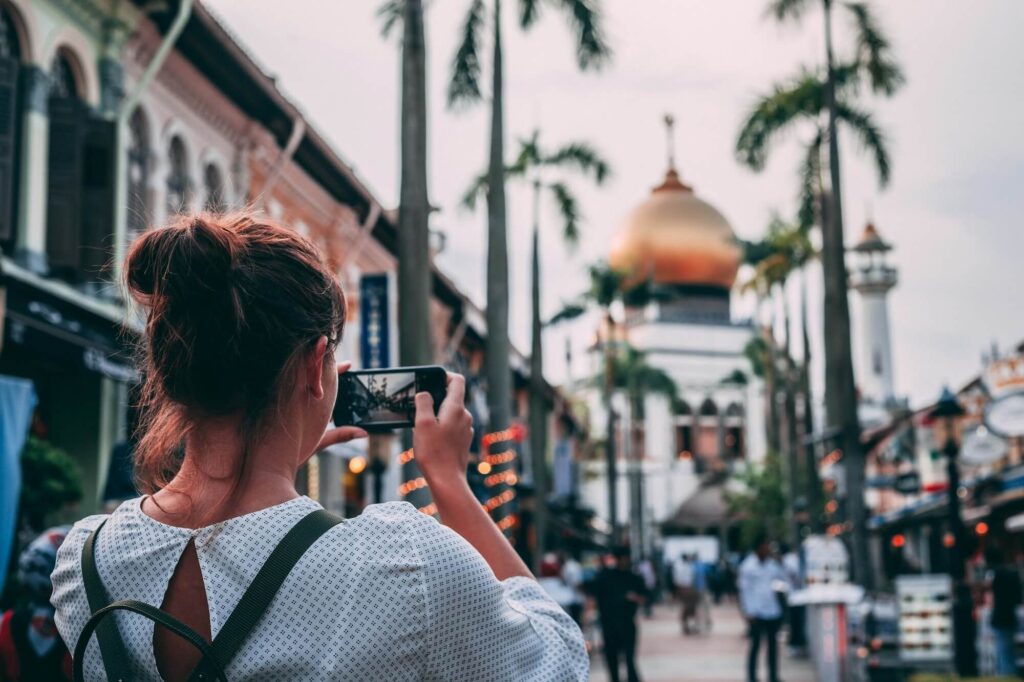
We take photos. Write captions. Publish blog posts. Make reels. Describe neighborhoods, rituals, food, people, ceremonies, poverty, beauty, chaos, kindness, danger, and “authenticity.”
That is power.
A traveler may spend three days in a place and create a story that thousands of people see. A local person may live there their whole life and never be heard by the same audience.
This does not mean travelers should stop telling stories. Storytelling can create understanding, support small businesses, challenge stereotypes, and inspire more respectful travel.
But it can also flatten places into content.
A market becomes colorful. A ceremony becomes exotic. A child becomes a photo. A difficult history becomes a dramatic paragraph. A community becomes atmosphere.
This is especially important when writing about culture. Carnival, religious ceremonies, Indigenous knowledge, local rituals, food traditions, music, grief, poverty, and everyday life are not raw material for travel content. They belong to people before they belong to our stories.
Better storytelling does not only ask: Is this beautiful?
It asks whether the story has context, consent, humility, and usefulness. It credits guides, artists, communities and local businesses. It avoids stereotypes. It explains history carefully. It points readers toward ways to support the people behind the experience.
A more aware traveler asks: Who gets to tell the story of this place — and who becomes background in mine?
The privilege of leaving
One of the most common questions travelers ask is: can I eat duThis may be the biggest privilege of all.
Travelers can leave.
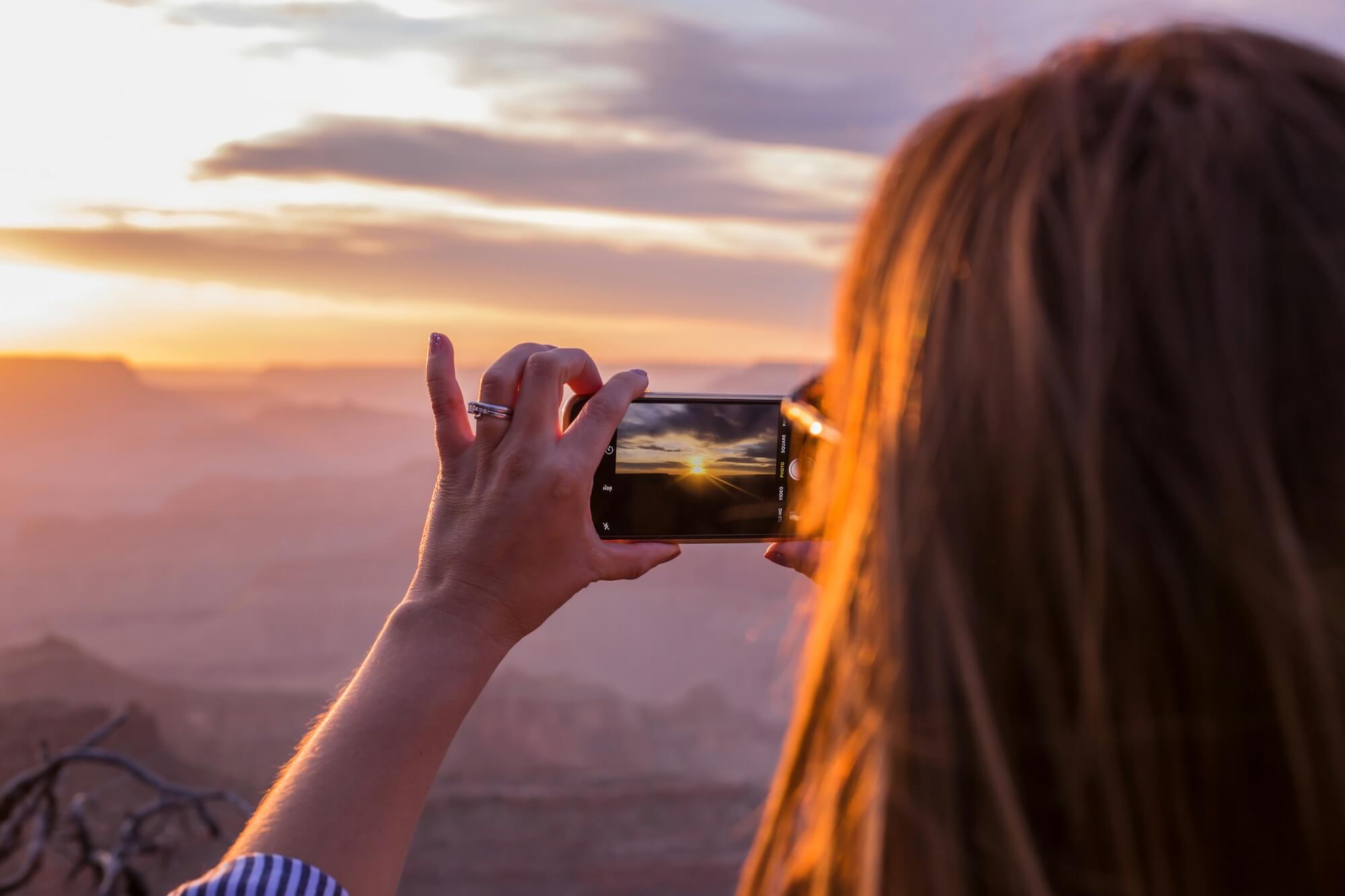
If a hurricane comes, we can cancel. If unrest starts, we can rebook. If a city feels too intense, we can move on. If the power fails, if the road is blocked, if prices rise, if the heat becomes unbearable — many of us have options.
Local people often do not.
Their homes, jobs, schools, families, farms, memories, businesses, and futures are in the place we are deciding whether to visit, avoid, photograph, recommend, or leave.
I felt this strongly in places recovering from catastrophe: in Lebanon after the Beirut explosion, in Carriacou after Hurricane Beryl, and in Jamaica after Hurricane Melissa. For travelers, a crisis can become a decision. For local people, it becomes daily life.
This is also where climate privilege enters the conversation. Many frequent travelers come from countries and income groups that have benefited from high-emission lifestyles, while many destinations facing stronger storms, coastal erosion, heat, drought, damaged reefs, and rising seas contributed far less to the problem. The UN describes climate justice as putting equity and human rights at the core of climate action, especially because vulnerable countries and communities often contributed least to the crisis. (United Nations)
But even the privilege of leaving can be turned into responsibility. We can return when destinations ask visitors back. We can donate after disasters. We can rebook instead of canceling small operators. We can keep caring after the news cycle moves on. We can support places not only when they look perfect, but when they are rebuilding.
A more aware traveler asks: What does it mean to enter a place temporarily when others live with its consequences permanently?

The language that hides privilege
Essaouira is usually a city that feels easy to love: sea wind, white walls, blue boats, gulls, ramparts, art shops, cafés, fish stalls and that relaxed Atlantic rhythm that makes you want to wander without much of a plan.
During Eid al-Adha, it felt different.
Not empty. Not less beautiful. Just less available.
Some places were closed. The rhythm was slower. Family life moved behind doors. The city was still there, but it was not arranging itself around visitors in the usual way.
And that was the lesson.
Sometimes the most respectful thing we can do while traveling is accept that a place has its own life beyond our itinerary.
I did not get the most convenient version of Essaouira. But I got a more honest reminder: travel is not only about access. It is also about adjustment.
Questions to ask yourself before a trip
Before booking, posting, photographing, or recommending a place, it can help to pause and ask:
- Why can I access this place so easily — and who cannot?
- Does my money stay locally, or mostly leave the destination?
- Am I paying fairly, or only looking for the cheapest possible experience?
- Who is serving me, and under what conditions?
- Do I have consent to photograph or share this moment?
- Am I turning someone’s culture, grief, work, or daily life into content?
- Would I behave differently if this were my home?
- What happens here after I leave?
- Am I willing to let this place be more than what I came to find?
These questions do not make travel perfect. But they make it less careless.
Privilege is not guilt. It is responsibility.
I do not believe the answer is to stop traveling.
Travel has changed my life too much for that. It has taught me, humbled me, connected me, challenged me, and given me some of the most meaningful experiences I have had.
But I also no longer want to pretend that travel is only freedom.
It is freedom shaped by passports, money, safety, access, language, history, and the ability to leave.
Recognizing that does not make travel less beautiful. It makes it more honest.
Privilege does not mean we have done something wrong by traveling. It means we have access to forms of freedom that are not equally shared.
And that access can do harm, or it can do good.
It can extract, or it can connect. It can make us entitled, or it can make us more careful. It can turn places into products, or it can help us support the people who keep those places alive.
The question is not whether we should feel guilty.
The question is whether we are willing to travel with enough awareness to make our presence less careless, less extractive, and more respectful.
Because we are guests in other people’s everyday lives, even when those lives have been packaged as destinations.
The places we visit are not only destinations.
They are homes.