Jamaican Patois
INTRO
Jamaica is a country known for its vibrant music, mouthwatering cuisine, and beautiful beaches. However, one aspect of Jamaican culture that often goes unnoticed by outsiders is the unique language spoken by its people – Jamaican Patois. However, Patois is more than just words; it is a gateway to understanding the rich cultural heritage of Jamaica.
Today, while English remains the official language of Jamaica, Patois holds a special place in the hearts of Jamaicans. It is a language that reflects their history, resilience, and culture.
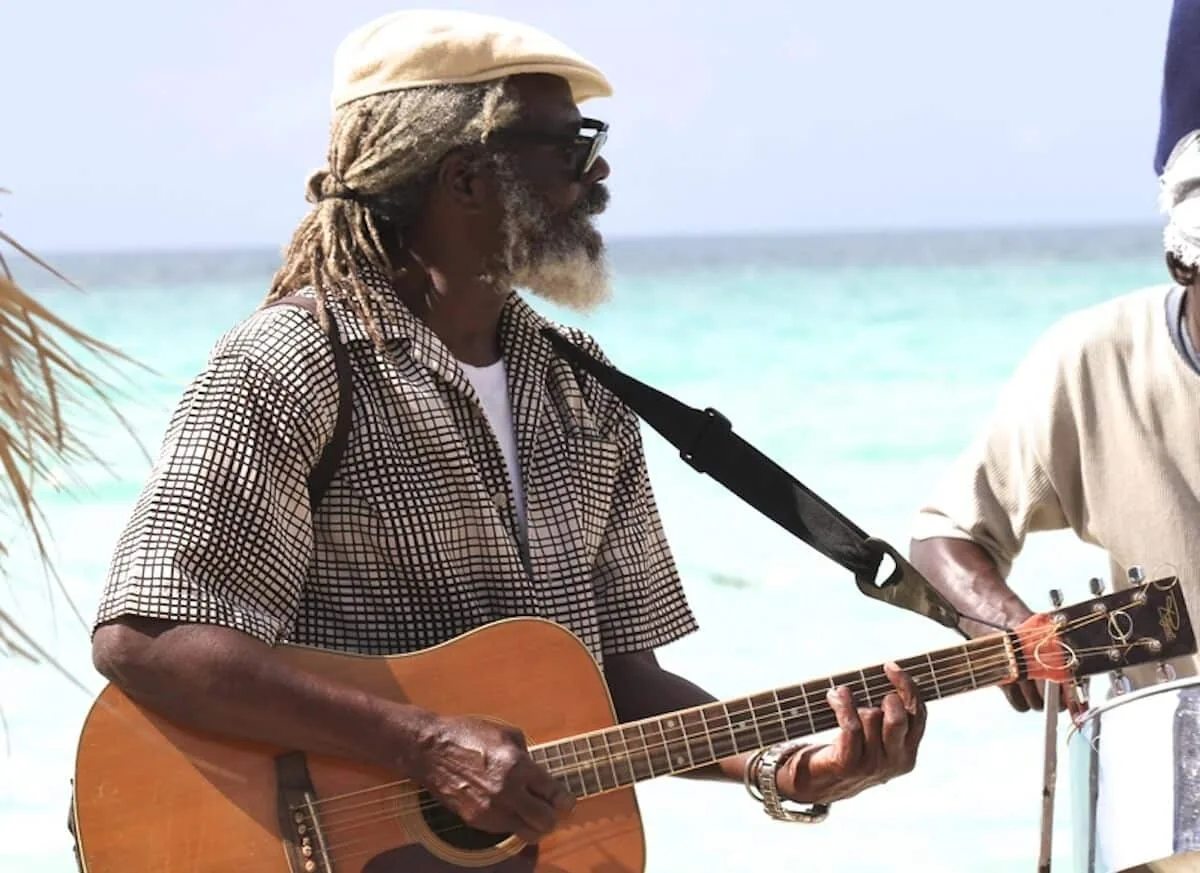
What makes Patois so unique is its expressive nature. The language is known for its creative use of words and phrases to convey emotions and ideas. It is often described as rhythmic and lyrical, perfect for music and poetry. In fact, many famous Jamaican musicians, such as Bob Marley and Sean Paul, incorporate Patois into their lyrics.
But Patois is not just a language of entertainment. It is also deeply rooted in everyday life in Jamaica. Patois can be heard everywhere on the island from greetings to expressions of love and of course insults. For Jamaicans, Patois is more than just a language; it is a way of life.
Listening to and appreciating Jamaican Patois is about understanding the words and embracing the unique culture and history it represents. Learning a few key phrases can enhance your interactions with locals and deepen your connection to the Jamaican experience.
So, the next time you hear someone speaking Patois, take a moment to appreciate the beauty and complexity of this fascinating language.
Learn Patois in Kingston or online
Patois is such a passionate, direct, and powerful language. When traveling Jamaica, basic knowledge of Patois will open worlds for you. My dear friend Rushan started giving online and in-person classes for $ 40 per hour. Give it a try before you head to Jamaica. I promise you, it will change the way you move around and feel here.
Dive in: Jamaican Patois mini Guide
Common Jamaican Patois Phrases:
- Wah gwaan? – What’s going on? / How are you? -Response: Mi deh yah – I’m here / I’m good.
- Mi deh yah – I am here.
- How di ting set? – How are things going?
- Mi deh pan di ends – I am in the neighborhood.
- Whappen? – What’s happening?
- Mi soon come – I’ll be there shortly.
- Likkle more – See you later / Goodbye.
- Mi deh pon di block – I’m on the street.
- Mi hungry fi some ackee and saltfish – I’m craving ackee and saltfish.
- Mi nah no money – I don’t have any money.
- Di food tun up – The food is delicious.
- Mi soon forward – I’ll come back soon.
- Wha’ gwaan mi bredda? – What’s going on, my friend?
- Weh yuh deh? – Where are you?
- Likkle more mi link yuh – I’ll contact you later.
- Weh di restroom deh? – Where is the restroom?
- How much dat cost? – How much does that cost?
- Wha’ yuh name? – What’s your name?
- A mi yard dis – This is my home.
- Mi love Jamaica – I love Jamaica.
- “Wah gwaan?” – A common greeting meaning “What’s going on?”
- “Mi deh yah” – “I’m here” or “I’m good.”
- “Mi soon come” – “I’ll be there shortly” or “I’ll be back soon.”
- “Weh di ting deh?” – “Where is the thing?” or “Where is it?”
- “Big up yuhself” – A friendly way to say “Take care” or “Respect yourself.”
Patois – the melody of Jamaica
The History and Origins of Jamaican Patois:
Jamaican Patois has a complex history that reflects the island’s diverse heritage. It is a Creole language that emerged during the colonial period when African slaves were brought to Jamaica by European colonizers. These African slaves were exposed to various European languages, primarily English and Spanish, which led to blending African grammatical structures and vocabulary with elements of these European languages. Over time, Patois evolved as a means of communication among the diverse population on the island.
Influences on Jamaican Patois:
- African Influence: Many words, phrases, and grammatical structures in Patois have African origins, reflecting the African heritage of the Jamaican people.
- English Influence: English is the primary lexifier language, providing the framework for Patois. However, Patois has transformed English words and phrases, creating a unique linguistic system.
- Spanish and Arawakan Influence: Some words in Patois have been borrowed from Spanish and Arawakan languages due to the presence of Spanish colonizers and indigenous Arawak communities in Jamaica’s history.
Appreciating Jamaican Patois:
Patois, also known as Jamaican Creole, is a language that has its roots in West African languages, Irish English and Scottish English. It developed during the era of slavery when slaves from different regions were brought to Jamaica and had to communicate with each other and their masters. Over time, Patois evolved into a distinct language with its own grammar rules and vocabulary.
Jamaican Patois is a beautiful and expressive language that offers a window into Jamaica’s rich cultural tapestry. Its history, influences, and unique features make it an integral part of Jamaican identity and a fascinating subject for linguistic enthusiasts and travelers alike. Embrace Jamaica’s rhythm, warmth, and soul through its captivating language.
Unfortunately, some people have stigmatized and seen Patois as inferior to English. This misconception ignores the rich history and cultural significance of the language. In recent years, there have been efforts to preserve and promote Patois, including its inclusion in literature and education.
However, Patois is not just a language; it reflects Jamaican culture’s resilience and vibrancy. This language should be celebrated and embraced for its unique qualities.
Here is a link to every cool Patois translator.
So, the next time you hear someone speaking Patois, take a moment to appreciate the beauty and complexity of this fascinating language.
Unique Features of Jamaican Patois:
- Intonation and Rhythm: Patois is known for its melodic and rhythmic quality, often described as “sing-song.” The intonation and stress patterns are distinct and contribute to its musicality.
- Reduplication: Patois frequently uses reduplication, repeating a word or syllable for emphasis or to change the meaning. For example, “Likkle” means “little,” but “likkle likkle” means “very little.”
- Omission of Copula “Is”: Patois often omits the verb “is” in sentences. For example, “She a nice girl” means “She is a nice girl.”
Practical Travel Tips for Jamaica