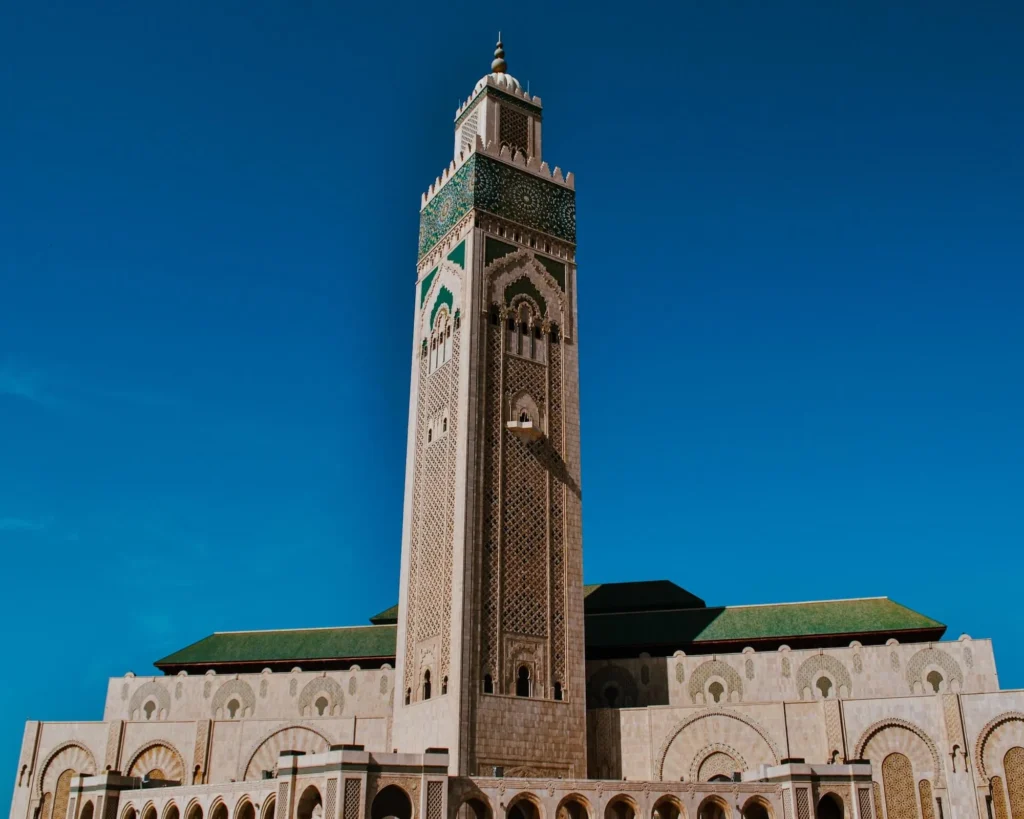
Traveling During Ramadan and Eid: What to Know Before Visiting Muslim-Majority Countries
I visited Essaouira during Eid al-Adha, and the city felt different from the Essaouira many travelers expect.
The Atlantic wind was still there. The blue boats were still in the harbour. The medina was still beautiful. But the rhythm had shifted. Some shops opened late or not at all. Streets felt quieter. Families were together. The city seemed less available — not less interesting, but more turned inward.
It reminded me of something travelers often forget:
Not every destination runs on tourist time.
Traveling during Ramadan, Eid al-Fitr or Eid al-Adha can be beautiful, but it asks for a different kind of travel. More patience. More planning. More awareness that you are entering a place during an important religious and family time — not just another travel season.
This does not mean you should avoid visiting Muslim-majority countries during Ramadan or Eid. Quite the opposite. These can be meaningful times to travel.
But they are easier, richer and more respectful when you know what to expect.
Ramadan and Eid at a glance
Before planning your trip, it helps to understand the difference between Ramadan, Eid al-Fitr and Eid al-Adha.
Ramadan is the Islamic holy month of fasting, prayer, reflection, charity and community. Many Muslims fast from dawn to sunset, then break the fast at iftar after sunset. The pre-dawn meal before fasting begins again is called suhoor. Ramadan follows the lunar Islamic calendar, and the exact start can vary by country because it is often linked to moon sighting.
Eid al-Fitr marks the end of Ramadan. It is often celebrated with morning prayer, festive gatherings, family visits, charity, gifts and food. Customs vary widely around the world, but the holiday is generally a joyful closing of the fasting month.
Eid al-Adha, the Feast of Sacrifice, is connected to the story of Ibrahim/Abraham and is traditionally marked by prayer, family gatherings, sacrifice traditions and sharing meat with family, neighbours and people in need. In Morocco, Eid al-Adha also shows how religious practice is shaped by local realities: in 2025, King Mohammed VI asked citizens not to slaughter sheep because years of drought had reduced livestock and pushed up costs.
For travelers, Eid al-Adha can feel more disruptive than expected because it is deeply family-focused. Restaurants, small shops and services may close, and transport can be busier before and after the holiday.
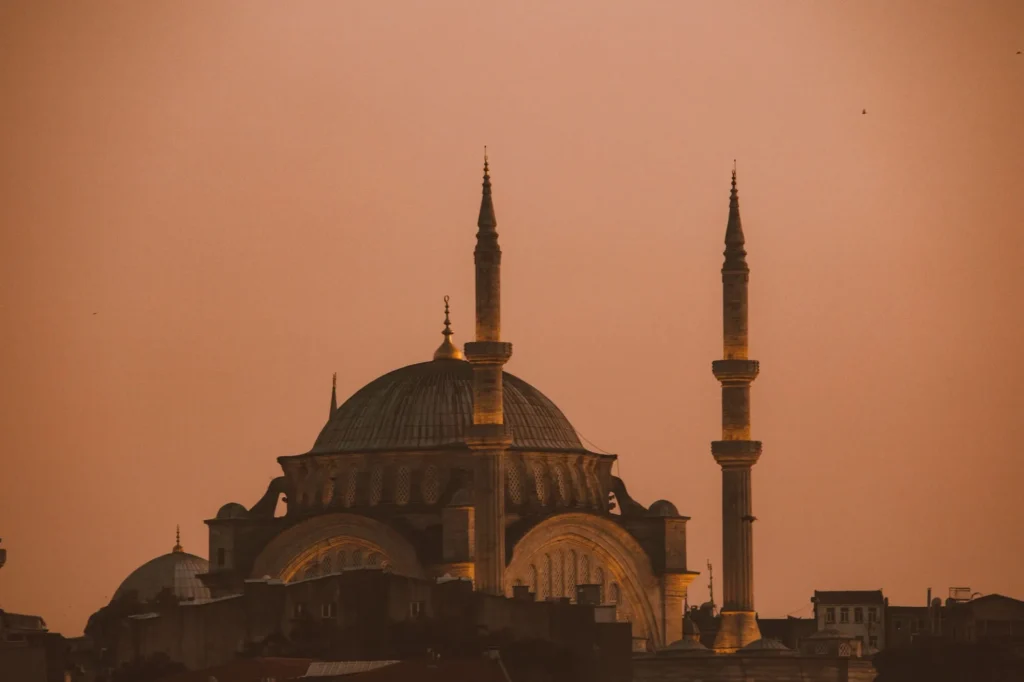
Is Ramadan a good time to travel?
Yes — but it depends on your expectations.
If you want everything to run exactly as usual, traveling during Ramadan may frustrate you. Restaurants may open later. Some cafés may be closed during the day. Service can feel slower. Museum or shop hours may change. In some places, the whole rhythm of the day shifts around fasting and iftar.
But if you are curious, flexible and respectful, Ramadan can be a beautiful time to travel. Days may feel quieter, while evenings can become wonderfully alive. After sunset, streets fill, tables are set, families gather and cities often take on a warmth that is hard to experience at any other time.
The mistake is not traveling during Ramadan.
The mistake is expecting the destination to behave as if nothing important is happening.
What changes during Ramadan?
Ramadan feels different depending on the country, city, season and level of observance. A tourist-heavy city may still feel relatively easy to navigate, while a smaller town or rural area may slow down much more visibly.
Travelers may notice:
- Restaurants and cafés closing during daylight hours or opening later
- Shorter hours for shops, museums and attractions
- Slower service during fasting hours
- Busy traffic before sunset as people head home for iftar
- Livelier streets and restaurants after sunset
- Less visible alcohol, depending on the country
- A more reflective public atmosphere during the day
In Morocco, the UK Foreign Office advises visitors during Ramadan not to eat, drink, smoke or chew gum in public during daylight hours, and also advises against loud music, dancing or swearing in public.
Even where rules are more relaxed, the principle is simple:
You do not have to fast to be respectful. But you should notice that many people around you are.
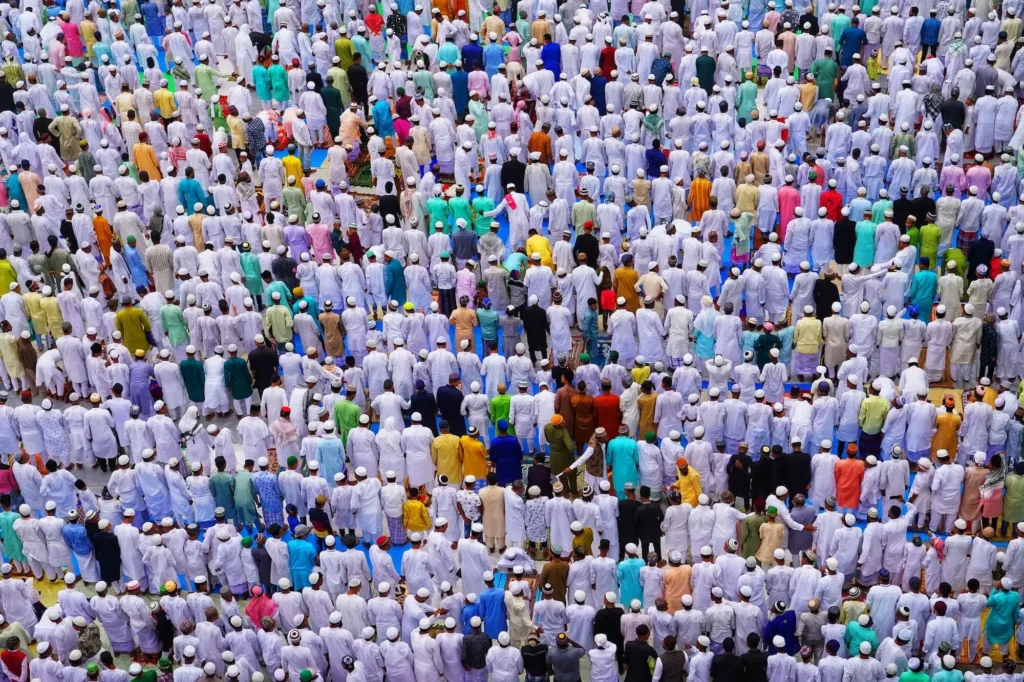
What changes during Eid?
Eid is different from Ramadan because it is not a month-long rhythm. It is a holiday period, and that can make the changes feel more sudden.
During Eid al-Fitr, expect family visits, prayer, celebration, sweets, shared meals and possible business closures. Some places may close for one day, others for longer.
During Eid al-Adha, closures can be more noticeable. Many people travel or stay home with family. Markets may be very busy before the holiday, restaurants may be limited, and local transport can be harder to arrange.
Eid al-Adha is not a travel event. It is a religious and family holiday that travelers may happen to witness.
That distinction matters.
If you are visiting during Eid al-Adha, be especially sensitive with photography. Do not photograph sacrifice traditions, animals, blood or people preparing meat as travel spectacle — especially when these moments are private, religious or family-centered. If you are invited into a home or meal, receive that hospitality with respect, not as content.
When a tradition challenges your own values
I also want to be honest about something that is harder to write about.
As a vegetarian, I found parts of Eid al-Adha difficult to witness. The animal slaughter, the blood, the visibility of meat preparation — it was not something I was used to seeing so openly, and my first reaction was shock.
But travel also asks us to notice what happens after that first reaction.
It is easy to judge a tradition quickly when it does not align with our own moral views. It is much harder to pause and understand that what may feel confronting to us can hold deep religious, family and charitable meaning for someone else.
That does not mean we have to pretend we are comfortable when we are not. It does not mean every tradition is beyond reflection or criticism. But it does mean that being a guest requires humility.
Eid al-Adha is not there to shock us, educate us or confirm our ideas about a place. It is a lived religious holiday, shaped by faith, family, food, sacrifice, generosity and community.
As travelers, we can choose where to look, how close to get, what not to photograph and when to step away. We can hold our own values while still respecting that we are entering someone else’s sacred time.
Sometimes cultural sensitivity is not about agreeing with everything we see.
Sometimes it is about resisting the urge to make our discomfort the center of the story.
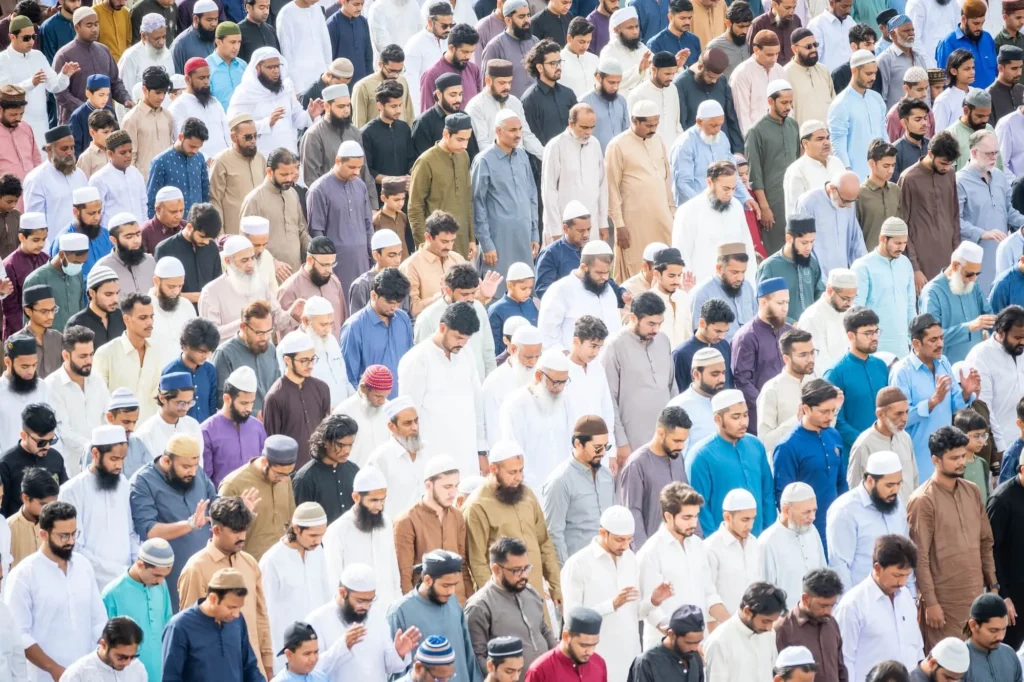
How to plan your trip around Ramadan or Eid
YoTraveling during Ramadan or Eid is absolutely possible. You just need more flexibility than usual.
Before you go:
- Check the expected dates, but remember they can shift by a day.
- Look up the local holiday calendar, not only a general Islamic calendar.
- Ask your hotel, riad or guesthouse what will be open.
- Book transport earlier than usual around Eid.
- Avoid major transfers on the first day of Eid if possible.
- Keep snacks and water in your room.
- Check attraction opening hours locally, not only online.
- Plan slower mornings and more flexible evenings.
- Avoid building an itinerary that depends on everything running normally.
During the trip:
- Be patient with changed hours.
- Have backup restaurant options.
- Carry cash in case smaller businesses operate irregularly.
- Respect that people may be tired during fasting hours.
- Avoid complaining about closures.
- Ask your host or guide what is realistic.
The goal is not to avoid Ramadan or Eid.
The goal is to stop treating local religious life as an inconvenience.
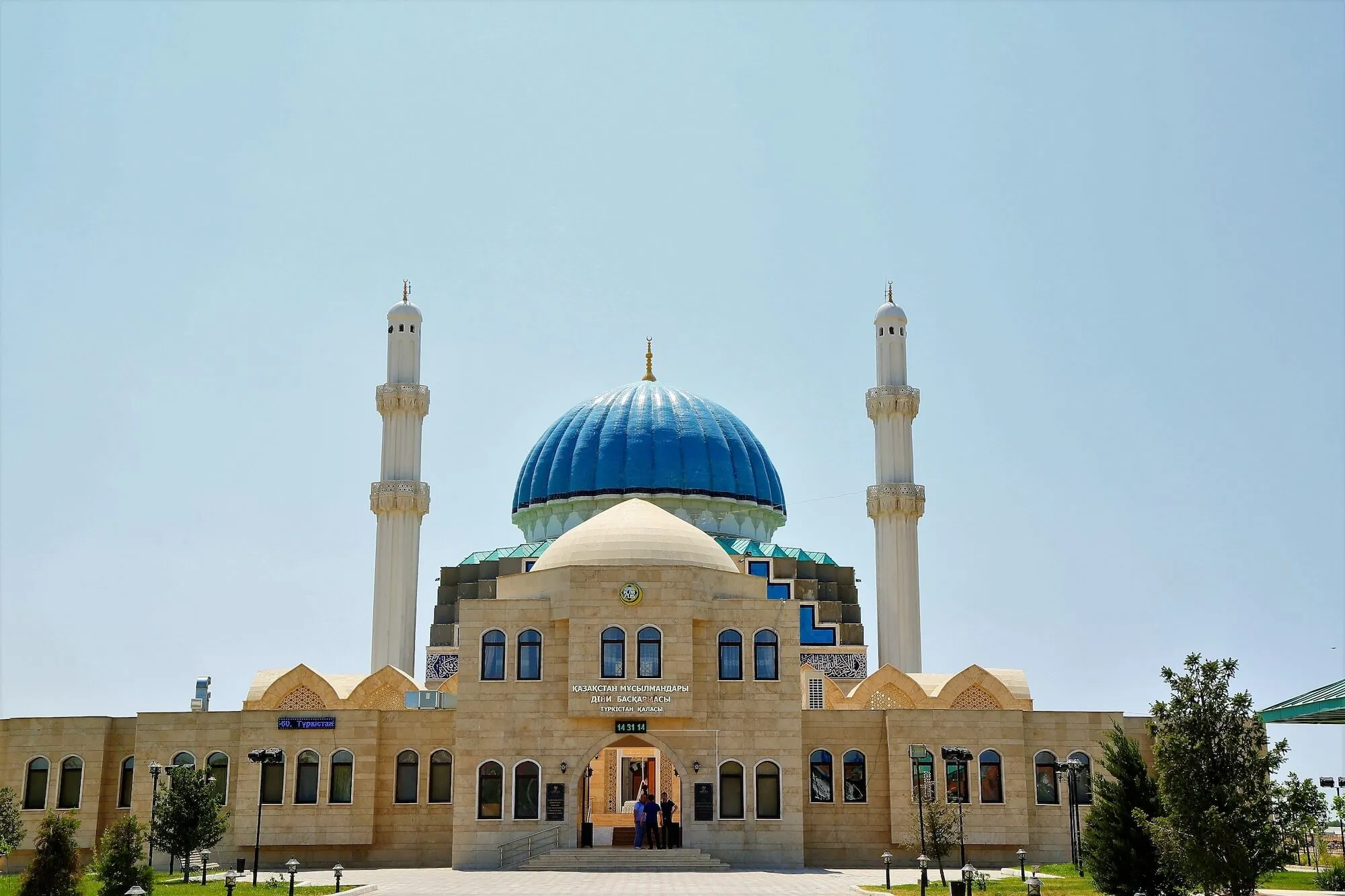
Eating and drinking respectfully during Ramadan
One of the most common questions travelers ask is: can I eat during the day if I am not Muslim?
In many places, yes — especially in hotels, private spaces or tourist-facing restaurants. But how you do it matters.
A few simple rules help:
- Do not eat, drink or smoke casually in public during daylight hours in conservative areas.
- Use hotel restaurants, tourist cafés or private spaces if they are open.
- Carry water, but drink discreetly.
- Avoid walking through local streets with snacks or takeaway coffee.
- Be patient before iftar, when people may be tired and hungry.
- If you are invited to iftar, treat it as hospitality, not entertainment.
Iftar can be one of the most beautiful parts of traveling during Ramadan: the moment the city shifts, tables fill, food appears and the day opens into evening.
But it is not a show put on for visitors.
It is a moment of faith, hunger, relief, community and generosity. Enter it gently.
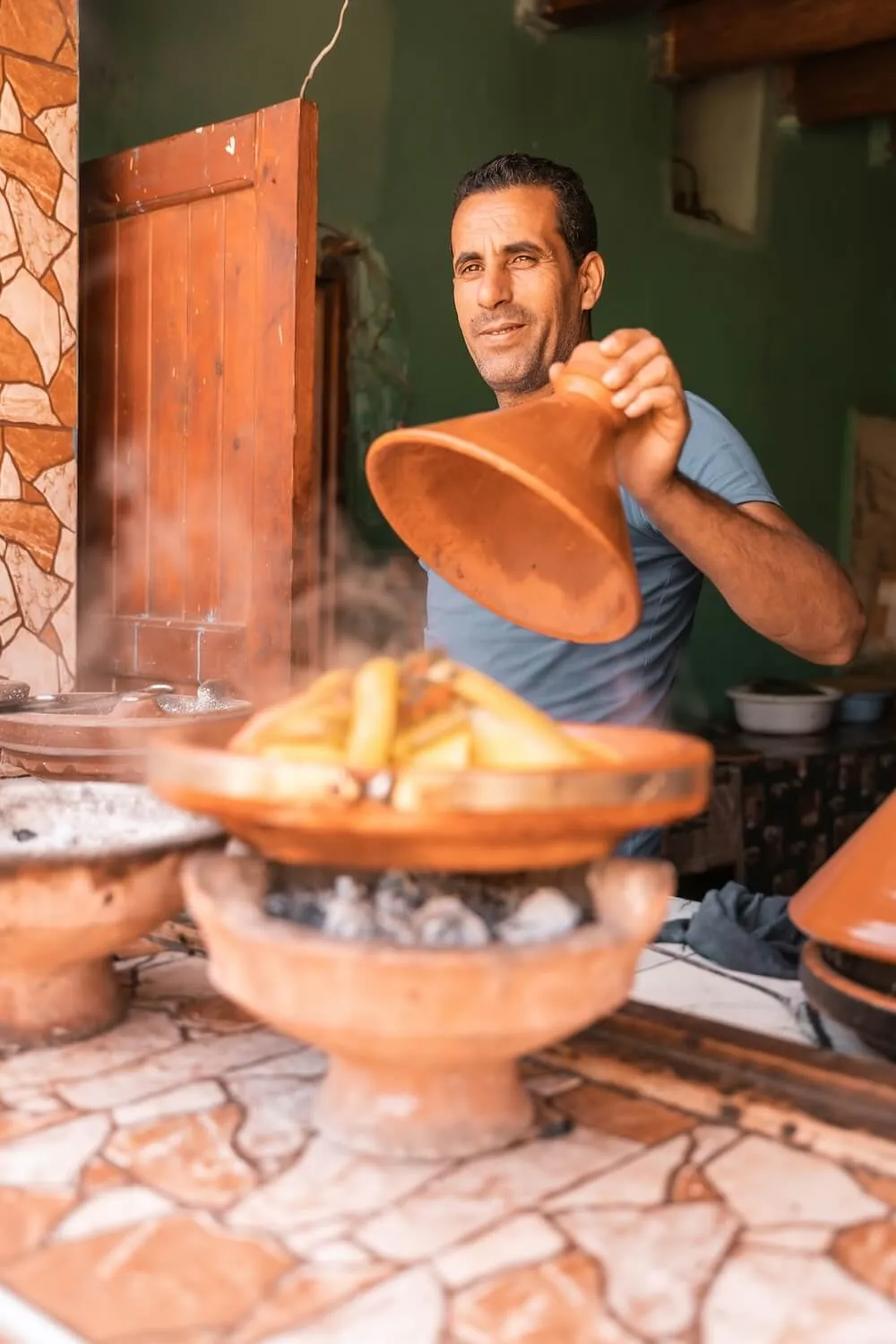
Dress, behaviour and sacred spaces
During Ramadan and Eid, modesty and public behaviour matter even more.
This does not mean you need to dress in a way that feels unnatural. It means you should read the room.
In smaller towns, traditional neighbourhoods and around religious sites, dress more modestly. Avoid loud public behaviour, visible drunkenness or public displays of affection. Around mosques, do not block entrances, photograph people praying or assume non-Muslims can enter. Rules vary widely by country and mosque.
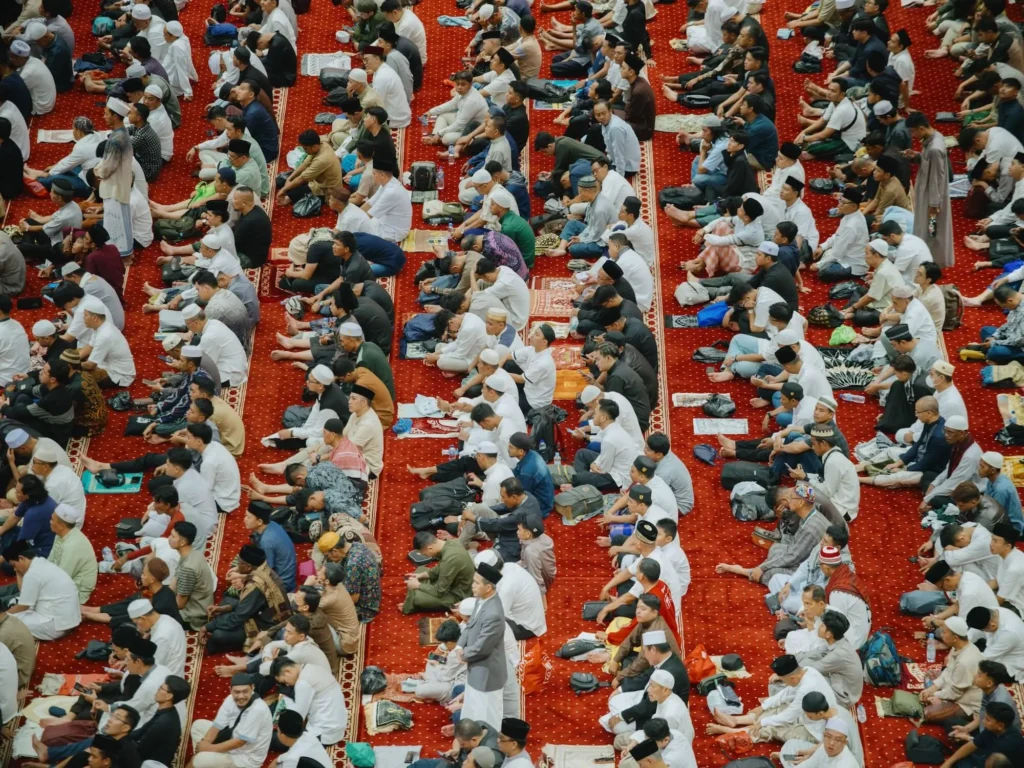
Friday prayer and Eid prayer can make streets around mosques very busy. That can be beautiful to witness from a respectful distance — but distance is often the key word.
Not everything we are allowed to see is ours to interrupt.
What not to do during Ramadan or Eid
A few things to avoid:
- Do not complain that “everything is closed.”
- Do not treat Ramadan as a travel inconvenience.
- Do not photograph private Eid al-Adha moments without permission.
- Do not walk around eating, drinking or smoking openly during Ramadan in conservative areas.
- Do not assume all Muslim-majority countries follow the same customs.
- Do not expect local people to explain everything while they are fasting or with family.
- Do not plan a packed itinerary with no flexibility.
- Do not confuse tourist access with cultural entitlement.
The point is not to be perfect.
It is to be aware.
What I learned in Essaouira during Eid al-Adha
Essaouira is usually a city that feels easy to love: sea wind, white walls, blue boats, gulls, ramparts, art shops, cafés, fish stalls and that relaxed Atlantic rhythm that makes you want to wander without much of a plan.
During Eid al-Adha, it felt different.
Not empty. Not less beautiful. Just less available.
Some places were closed. The rhythm was slower. Family life moved behind doors. The city was still there, but it was not arranging itself around visitors in the usual way.
And that was the lesson.
Sometimes the most respectful thing we can do while traveling is accept that a place has its own life beyond our itinerary.
I did not get the most convenient version of Essaouira. But I got a more honest reminder: travel is not only about access. It is also about adjustment.
Why visiting during Ramadan or Eid can be special
If you travel only for maximum convenience, Ramadan or Eid may frustrate you.
But if you travel to understand places more deeply, these periods can be powerful.
Ramadan can bring quiet mornings, glowing evenings, shared meals, late-night streets and a stronger sense of community. Eid can show how deeply family, faith, food and generosity shape daily life.
You may not see everything you planned.
But you may understand something more important: destinations are not just collections of attractions. They are places with calendars, obligations, sacred days and private lives.
The beauty of traveling during Ramadan or Eid is not that everything stays open for you.
It is that you get to witness a different rhythm of life — if you are willing to slow down with it.
Other dates travelers should check
Ramadan and the two Eids are the holidays travelers are most likely to notice, but they are not the only important dates.
Depending on the country, you may also come across Islamic New Year, Ashura, Mawlid or local religious commemorations. Friday prayer is not a holiday, but it can affect movement and opening hours around mosques.
The key is not to memorize every date. It is to check the local calendar before you go and remember that Muslim-majority countries are not all the same.
Morocco is not Indonesia. Senegal is not Jordan. Oman is not Tanzania. Lebanon is not Malaysia.
Local culture, law, tourism infrastructure, school holidays, religious observance and family traditions all shape how Ramadan and Eid feel on the ground.
It is to be aware.
FAQ: traveling during Ramadan and Eid