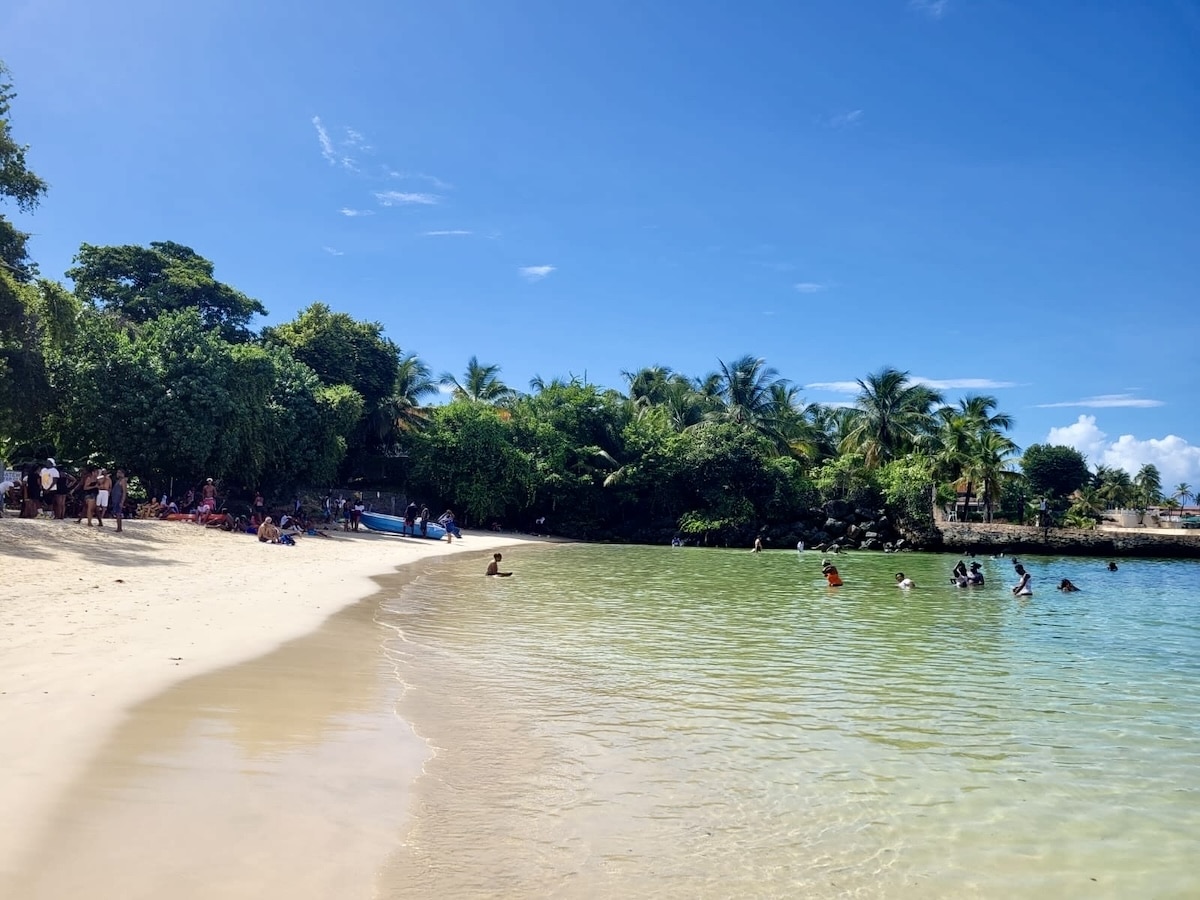
Tobago Beach Guide

Tobago Beach Guide

Tobago

Beach Guide
Let's go!

A Guide to Hidden Coves, Crystal Waters, and Sun-Kissed Shores

Duration: at least ten days

Budget: $ 105 per day

Where to stay: Plantation Beach Villas

There’s something truly magical about Tobago’s beaches that goes beyond the white sand and turquoise waters. Every time I visit, I’m reminded of the island’s untouched beauty and how each beach seems to have its own personality. From secluded coves perfect for a quiet escape to lively shores where locals gather, Tobago’s coastlines offer something for every kind of traveler.

In this post, I’m excited to share my personal favorites and the hidden gems I’ve discovered, so you can experience the true essence of this Caribbean paradise.

  • Swimming 100% 100%
  • Beach Vibes & Amenities 95% 95%
  • Snorkeling 95% 95%
  • Diving 100% 100%

Remember, half the fun is in the journey, so embrace those winding roads and breathtaking views. And no matter which beaches you choose to visit, I guarantee you’ll fall in love with this island just like I did. 

Pigeon Point Beach: The Stuff of Postcards

Okay, I know it’s cliché to start with the most famous beach, but trust me, Pigeon Point lives up to the hype. That iconic thatched-roof jetty? Even more stunning in person. 

Pro tip: Head there for sunset. The sky turns into a spectacular light show, and the crowds thin out. It’s pure magic!

How to Get There: It’s super easy! Just a 10-minute drive from the airport. Hop in a taxi or rent a car. There’s a small entrance fee (worth every penny, trust me), and you’re in paradise!

Best For: Iconic photos, water sports, and that perfect beach day vibe. If you’re after the quintessential Caribbean beach experience, this is your spot!

Where to stay near Pigeon Point

Tropikist Beach Hotel & Resort

Tropikist Beach Hotel & Resort puts you roughly a 5-minute drive from Pigeon Point and right on Store Bay’s soft white sand—your air-conditioned room comes with free Wi-Fi, on-site kayak and snorkel rentals, a beachfront pool, and a lively bar so you can go straight from sunbathing to sunset cocktails without missing a beat.

Kariwak Village Holistic Haven

At Kariwak Village Holistic Haven you’re around a 5-minute drive from Pigeon Point, and you’ll enjoy spacious, open-air bungalows with daily organic breakfast, a cliff-top yoga deck, free parking and shuttle service to nearby beaches—perfect for setting your own pace between beach time and well-being rituals.
Tobago Beach: English Man's Cove

Englishman's Bay: My Secret Slice of Heaven

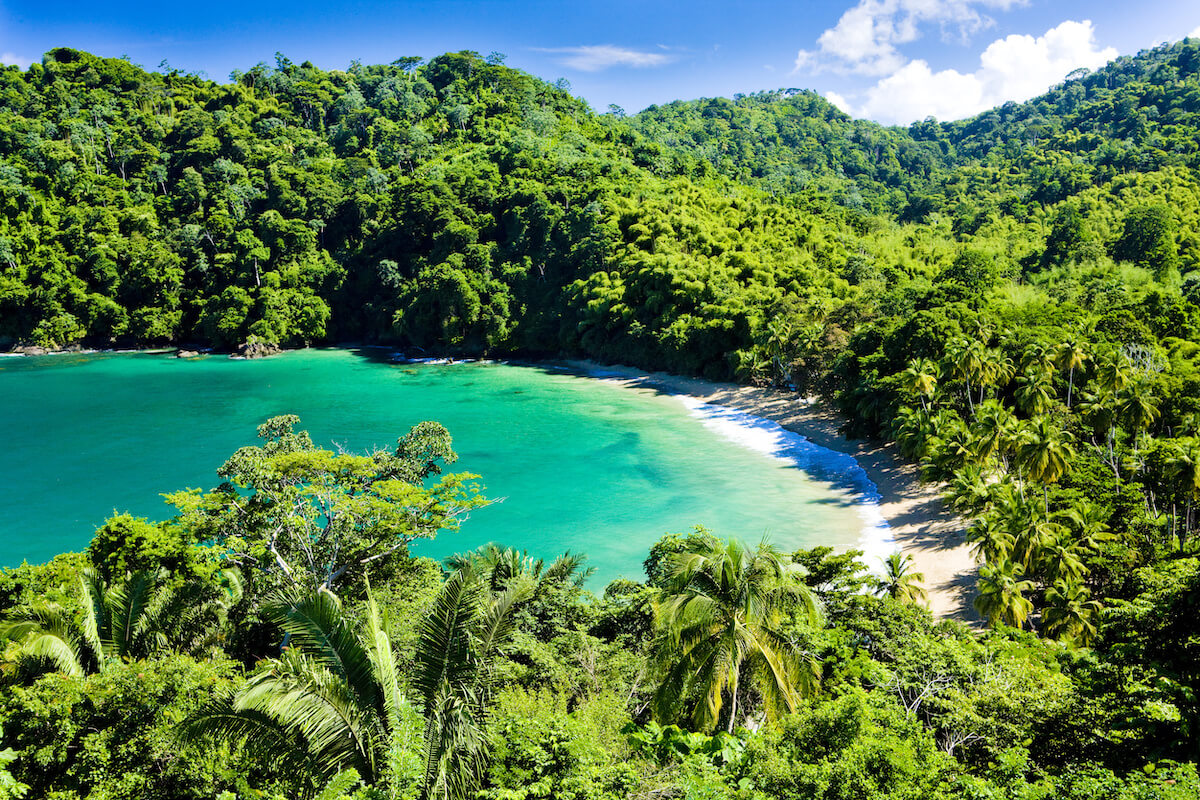
Englishman’s Bay is hands-down one of my favorite beaches in the world—a hidden crescent of golden sand tucked between lush hills and swaying palms.

Imagine claiming a stretch of soft, uncrowded sand all to yourself, snapping the perfect crescent-shore photo, then sipping a rum punch as the waves lap your toes. That’s Englishman’s Bay magic—come discover why it feels like your own private paradise.

Getting to Englishman’s Bay

Getting there is part of the adventure: you’ll wind through coastal roads from Scarborough (about an hour’s drive), or you can be in paradise in just 15 minutes if you’re coming from Castara.

Why You’ll Love It

  • Wildlife haven: Leatherback turtles nest here, and colorful shorebirds flit along the tide line—bring your camera!

  • Simple comforts: There’s no fancy restaurant, but a friendly beach bar serves ice-cold drinks and light bites. Pack any extra snacks and plenty of water.

  • Safe swim zones: The surf can pick up, so stick close to shore where the water’s calmest.

Where to stay near Englishman's Bay

Englishman’s Bay is only a short, scenic 10–15 minute drive from Castara, and I’d always choose to stay in this laid-back village—these are my favorite spots:

Castara Retreat cocoons you in colorful beachfront cabanas shaded by swaying palms right on Castara Bay—your private slice of paradise before you head off to Englishman’s.
Castara Inn greets you with charming plantation-style rooms, a cozy garden bar pouring rum punches, and genuine local warmth that makes coming home a joy.
Lilibets perches above Castara Bay in breezy, open-plan suites with panoramic ocean vistas—perfect for watching the sunset before snorkeling the sands of Englishman’s Bay.

Nylon Pool: Nature's Own Infinity Pool

Ever dreamt of literally walking on water? At Nylon Pool you can—this natural, waist-deep sandbank lies atop Buccoo Reef, making you feel like a castaway in crystal-clear turquoise.

A Dash of History
Local fishermen once called it Dan’s Bank, but in 1962 Princess Margaret waded in and declared the water “as clear as nylon stockings,” and the name stuck. Islanders say a dip here brings a touch of magic—fresh love, renewed youth, or simply unforgettable memories.

The Journey
Set off from Store Bay or Pigeon Point on a small, open boat—about a 20-minute ride over colourful coral gardens, wind in your hair and sun on your back. Pro tip: slather on reef-safe sunscreen before you board.

What to Expect

  • “Walking on Water” Moment: Wade out into warm, waist-high water and strike that perfect photo.

  • Marine Views: Boats have glass bottoms or viewing panels so you can spy parrotfish and corals on the way.

  • Light Refreshments: Most tours include cold drinks; bring a snack and a quick-dry towel.

Standing in the middle of the sea, tracing royal footsteps, and soaking in island legends—Nylon Pool is pure Tobago magic. Make sure it’s on your travel must-do list!

Nylon Pool Tobago
Independence square downtown Port of Spain

Mt. Irvine Beach: Surf's Up!

Calling all wave riders! Mt. Irvine is your playground. I’m no surfer, but I took a lesson here and managed to stand up on the board for a whole 3 seconds. Personal record!

Even if surfing’s not your thing, the beach vibe here is awesome. I spent hours just watching the pros do their thing. Talk about impressive!

How to Get There: It’s about a 15-minute drive from the airport. Easy to reach by taxi or rental car. Just follow the signs (or the surfers!).

Best For: Surfing (duh!), beach vibes, and watching the pros catch waves. Even if you’re not into surfing, the atmosphere here is unbeatable.

Bloody Bay: Don't Let the Name Fool You

Despite its ominous name, Bloody Bay is one of my secret favourites—a pristine, crescent-shaped beach tucked into jungle-clad hills just 11 km (about a 20-minute drive) from Castara along scenic, if rough, backroads (I’d recommend a sturdy rental car or local driver). There’s no café or shop, so pack a picnic, cold drinks, sunscreen, and a towel—then spend the day swimming in crystal-clear water, lounging under casuarina trees, and watching frigatebirds and hummingbirds dance overhead. If you’re longing for true solitude and a wild, untouched coastline, Bloody Bay delivers every time.

How to Get There: It’s a bit of a journey – about a 90-minute drive from Scarborough. Its’s only 20 minutes from Castara. The road’s an adventure in itself! Definitely rent a car or hire a driver for this one.

Best For: Unspoiled nature, peace and quiet, and feeling like you’re at the edge of the world. If you’re after true serenity, make the trek to Bloody Bay.

King's Bay: Family Fun in the Sun

King’s Bay is like the Goldilocks of beaches – not too crowded, not too deserted, just right. The calm waters make it perfect for little ones, and there’s plenty of space for beach games.

How to Get There: It’s about a 30-minute drive from Scarborough. The road’s pretty straightforward, so it’s an easy trip by rental car or taxi.

Best For: Family outings, calm swimming waters, and beach picnics. It’s the perfect spot if you’re traveling with kids or just want a relaxed beach day.

Parlatuvier Bay: Fisherman's Delight

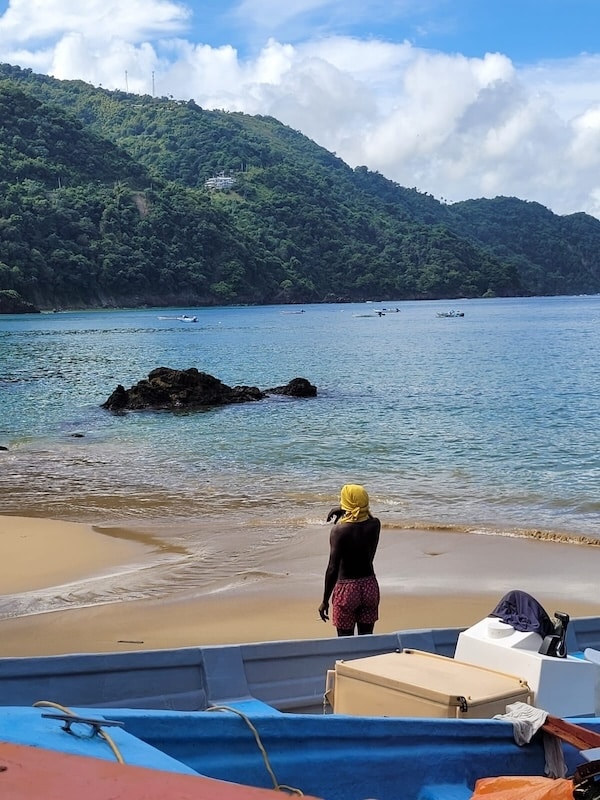
If you want to see the real Tobago, head to Parlatuvier Bay. This horseshoe-shaped beauty is postcard-perfect. I spent an entire afternoon chatting with the local fishermen and even scored some fresh catch for dinner.

How to Get There: It’s about an hour’s drive from Scarborough. The road winds along the coast with some breathtaking views. Renting a car is your best bet for flexibility.

Best For: Photography, authentic fishing village experiences, and fresh seafood. If you want to see a slice of real Tobagonian life, don’t miss Parlatuvier.

doubles in Port of Spain, Trinidad

Grange Beach: Turtle Territory

Grange Beach is a must-visit, especially if you’re a wildlife lover like me. I timed my visit with turtle nesting season and guys, it was AMAZING. Watching these gentle giants lay their eggs under the moonlight was a once-in-a-lifetime experience.

Just remember to follow the guidelines – no flash photography and keep your distance. Let’s keep these beautiful creatures safe!

How to Get There: It’s just a 10-minute drive from Scarborough. Easy to reach by taxi or rental car. Look for signs to the Turtle Beach Hotel.

Best For: Wildlife encounters, turtle watching (in season), and beautiful sunsets. If you’re a nature lover, time your visit for turtle nesting season – you won’t regret it!

Pirate's Bay

If you’re looking for adventure mixed with jaw-dropping beauty, Pirate’s Bay is calling your name. Getting there is half the fun – I’ll never forget the exhilarating hike down the steep trail, the anticipation building with every step. And then, suddenly, the trees part and you’re faced with a view that stops you in your tracks: a perfect horseshoe of white sand embraced by turquoise waters and backed by wild, jungle-covered hills. It feels like you’ve stumbled upon a secret, like you’re the first person to ever set foot on this slice of paradise. I spent hours snorkeling in waters so clear I could count the scales on the fish, and picnicking under the shade of swaying palms. Pirate’s Bay isn’t just a beach – it’s a reminder of how breathtakingly beautiful our world can be when left untouched.

How to get there:

  • Located near Charlotteville, at the northeastern tip of Tobago
  • Approximately 1.5 hours drive from Scarborough
  • Accessible by car to Charlotteville, then a 20-minute hike down a steep trail
  • Alternatively, hire a boat from Charlotteville for easier access

Best for:

  • Secluded beach experience
  • Snorkeling in crystal clear waters
  • Hiking (to reach the beach)
  • Nature photography
  • Picnicking (bring your own supplies)

Castara Bay

Castara Bay is as close to paradise as I’ve ever found. The first time I visited, I was struck by how wonderfully unspoiled it felt. There’s a rhythm to life here that’s set by the tides and the daily catch of the local fishermen. I spent hours just watching their colorful boats bob in the bay, occasionally diving into the crystal-clear water for a refreshing swim. As the sun began to set, painting the sky in impossible shades of orange and pink, I realized that Castara isn’t just a place you visit – it’s a place that stays with you long after you’ve left.

How to get there:

  • Located on the north coast of Tobago
  • Approximately 45 minutes drive from Scarborough
  • Accessible by car or taxi
  • Limited public transportation available; renting a car is recommended

Best for:

  • Swimming in calm waters
  • Snorkeling
  • Fishing village experience
  • Watching local fishermen bring in their catch
  • Relaxing in a less touristy environment
Castara Bay

Buccoo Beach

This lively stretch of sand is where the heart of Tobago truly beats. I remember my first visit like it was yesterday – the soft, golden sand between my toes, the gentle lapping of Caribbean waves, and the infectious rhythm of steel pan in the distance. It’s not just a beach; it’s a slice of Tobagonian life. Whether you’re snorkeling in the vibrant Buccoo Reef, galloping along the shoreline on horseback, or dancing the night away at the famous Sunday School street party, Buccoo has a way of making you feel like you’ve always belonged here. It’s the kind of place where time slows down, and worries melt away with the setting sun.

How to get there:

  • Located in the village of Buccoo, on the leeward (Caribbean) coast of Tobago
  • Approximately 15 minutes drive from Scarborough, the capital of Tobago
  • Accessible by car or taxi
  • Public transportation (buses) available from Scarborough

Best for:

  • Snorkeling (Buccoo Reef is nearby)
  • Sunbathing
  • Swimming
  • Horse riding on the beach
  • Watching the famous “Sunday School” street party

Turtle Beach

Turtle Beach is a nature lover’s dream come true. I’ll never forget the night I spent here, waiting in hushed anticipation as a massive leatherback turtle lumbered up the beach to lay her eggs. It was a humbling, almost spiritual experience.

During the day, the long stretch of golden sand is perfect for a leisurely stroll or a spot of sunbathing. The gentle slope into the sea makes it ideal for swimming, and I often found myself floating peacefully, watching frigatebirds wheel overhead.

With the verdant hills of the Tobago Main Ridge Forest Reserve as a backdrop, Turtle Beach feels wild and untamed, yet welcoming.

How to get there:

  • Located in Plymouth, on the Caribbean coast of Tobago
  • Approximately 15 minutes drive from Scarborough
  • Easily accessible by car, taxi, or public transportation

Best for:

  • Turtle watching (during nesting season from March to August)
  • Swimming
  • Long beach walks
  • Birdwatching
  • Water sports (kayaking, paddleboarding)
leatherback turtles on Grand Anse beach in ST. Lucia
Pigeon Point beach Tobago

Store Bay

Store Bay might be small, but it packs a mighty punch! This pocket-sized beach is a hive of activity, and I love the energy here. The first time I visited, I was drawn in by the aroma of curry crab and dumplings wafting from the food stalls. After a refreshing swim in the calm, clear waters, I treated myself to this local delicacy – it was love at first bite! The beach is a great launch point for boat trips to Buccoo Reef and Nylon Pool, and I highly recommend taking one of these tours. As the sun sets, there’s nothing better than sipping a cold drink at one of the beachside bars, watching the fishing boats return with their daily catch.

How to get there:

  • Located in Crown Point, southwestern Tobago
  • Very close to A.N.R. Robinson International Airport
  • Easily accessible by foot from many nearby hotels, or by a short taxi ride

Best for:

  • Swimming in calm waters
  • Snorkeling
  • Boat trips to Buccoo Reef and Nylon Pool
  • Sampling local cuisine from beach vendors
  • People-watching and soaking up the lively atmosphere

Stonehaven Bay

Stonehaven Bay is where I go when I need to recharge my batteries. This long, sweeping bay feels spacious and free, with plenty of room to find your own private spot. I love coming here early in the morning when the beach is practically deserted, save for the occasional jogger or early-bird swimmer. The waves here can be a bit stronger than at other beaches, which makes for great bodysurfing. But my favorite thing to do is simply sit under the shade of a palm tree, lose myself in a good book, and occasionally glance up to watch the pelicans dive-bombing for fish. It’s a simple pleasure, but on Stonehaven Bay, it feels like pure luxury.

How to get there:

  • Located on the Caribbean coast, between Buccoo and Pleasant Prospect
  • About 20 minutes drive from Scarborough
  • Accessible by car or taxi

Best for:

  • Surfing and bodysurfing (especially during the winter months)
  • Long, quiet beach walks
  • Birdwatching
  • Beachcombing
  • Watching stunning sunsets

Man-O-War Bay

Man-O-War Bay is where I go when I want to feel the raw power of nature. This expansive bay, with Charlotteville nestled at one end, offers a striking combination of natural beauty and local charm. I love starting my day here with a brisk swim, followed by a wander through the fishing village, watching the colorful pirogues bob in the water. The bay got its name from the frigatebirds (also known as Man-O-War birds) that soar overhead, and watching their aerial acrobatics never gets old. As evening approaches, I like to find a quiet spot on the beach to watch the sun sink into the sea, painting the sky in a riot of colors that reflect off the calm waters of the bay.

How to get there:

  • Located at the northeastern tip of Tobago, encompassing Charlotteville
  • About 1.5 hours drive from Scarborough
  • Accessible by car or taxi; the drive itself is scenic but winding

Best for:

  • Swimming and snorkeling in clear waters
  • Birdwatching, especially for frigatebirds
  • Experiencing local fishing village life
  • Hiking in nearby forests
  • Enjoying spectacular sunsets

No Man's Land

No Man’s Land is aptly named – it truly feels like the edge of the world. This narrow spit of sand, surrounded by shallow, crystal-clear water, is only accessible by boat, which adds to its sense of adventure. My first trip here felt like a real Robinson Crusoe experience. I spent hours wading through warm, knee-deep water, spotting colorful fish darting around my feet. The peace here is profound – the only sounds are the gentle lapping of waves and the rustle of palm fronds in the breeze. It’s the perfect spot for a picnic, and I’ll never forget the time I enjoyed a simple lunch of fresh fruit and local cheese, feeling like I had my own private island paradise.

How to get there:

  • Located off the southwestern tip of Tobago, near Pigeon Point
  • Only accessible by boat
  • Boat tours can be arranged from Pigeon Point or Store Bay

Best for:

  • Wading and swimming in shallow, warm waters
  • Snorkeling in the surrounding coral reefs
  • Picnicking on a secluded beach
  • Photography of pristine, unspoiled landscapes
  • Experiencing a true ‘desert island’ feel
Grafton Beach

Grafton Beach

Grafton Beach, also known as Stonehaven Bay, sits just north of Black Rock and feels wide, open and beautifully unpolished. The sand stretches long and golden, backed by palms and sea grape trees, with enough space that it rarely feels crowded. The water here can have a bit more movement than Turtle Beach, which makes it great for a refreshing swim and dramatic sunset views. It’s one of those beaches that feels expansive rather than curated — perfect for morning walks, quiet reflection after Carnival, or simply sitting still and watching the light change over the Caribbean Sea.

How to Get There

Grafton Beach is about:

  • 15 minutes from Scarborough

  • 20 minutes from Crown Point & the airport

  • 5 minutes from Black Rock

If you’re driving, simply follow the Claude Noel Highway toward Plymouth and turn off near Stonehaven Bay Road. Parking is informal but easy along the roadside.

Taxis from Crown Point or Scarborough are straightforward and affordable, especially if you’re already based on the southwest coast.

If you’re staying nearby, you can even walk along the coastline depending on where you’re based.

Best For

Grafton Beach is especially good for:

  • Long sunset walks

  • Uncrowded beach time

  • Swimmers who don’t mind gentle waves

  • Couples wanting quiet

  • Post-Carnival decompression

It’s not a watersports hub. It’s not lined with vendors. That’s exactly its charm.

Where to stay near Grafton Beach

The ideal base for exploring Grafton Beach and Tobago’s southwest coast is Plantation Beach Villas.

Just a few minutes away in Black Rock, it offers spacious beachfront villas, full kitchens, private terraces and direct access to Great Courland Bay. You get privacy, space and the comfort of feeling at home — while staying close to Mount Irvine, Buccoo and Crown Point.

Practical Travel Tips for Tobago

Language: English

Currency: TT Dollar

K
L

How to get to Tobago

You’ve got two main routes—by air or by sea—and both kick off your island adventure the moment you step on board.

By Air

Fly into ANR Robinson International Airport (TAB) just outside Scarborough. Caribbean Airlines and several regional carriers operate daily hops from Port of Spain (about 25 minutes), plus flights from hubs like Barbados, Antigua and select North American gateways.

When you land, licensed taxis (look for plates beginning with “H”) wait curbside at fixed rates—or pick up your rental car right at the terminal and set your own pace (we drive on the left).

By Ferry

Head to the Port of Spain ferry terminal for a comfortable sea crossing—most services depart twice a day and take roughly 2½–3 hours.

On clear days you’ll dramatic coastal views as you glide toward Scarborough’s harbor. Make sure to bring movement sickness pills as you might get sick though the ferry is very comfortable.

K
L

What is the best time to visit Tobago?

Your description goes here. Edit or remove this text inline or in the description settings

K
L

Is Tobago safe?

Absolutely—Tobago is one of the Caribbean’s friendliest, low-crime islands, and you’ll feel right at home from day one. Violent crime is extremely rare, even after dark, and locals are warm and welcoming.

That said, it’s still wise to use common-sense precautions:

  • Watch your stuff in busy town centers or during carnival—petty theft can happen.

  • Stick to licensed taxis (plates start with “H”) or trusted drivers at night.

  • Swim smart: some beaches have strong currents, so pick lifeguarded spots or ask a local before you go in.

  • Drive with care: we drive on the left, and roads can be narrow and winding.

Follow these simple tips, and you’ll be free to explore waterfalls, festivals and hidden bays with total peace of mind.

Sources
Ask ChatGPT

K
L

How to get around Tobago?

Tobago’s compact size means you’ve got plenty of options—pick what fits your style and budget. I kicked things off by hiring a driver to show me the ropes, and after a day or two, I felt confident enough to get behind the wheel myself.

Rent a car

Freedom to roam: Ideal once you know the roads—go at your own pace to hidden bays, waterfalls and hillside lookouts.

Left-hand driving: Road signs are clear but some back roads get narrow and winding—take it slow, especially after rain.

Tip: I started with a local driver for a day’s island tour, then rented a car so I could explore solo.

Maxi Taxis (shared vans)

Budget-friendly: Fixed routes between Scarborough, Crown Point, Morningstar and Charlotteville.

Hail and hop: They leave when full—just flag one down at a stand or on the roadside.

Cost: Roughly TT $8–15 per ride, depending on distance.

Private Taxis

Door-to-door service: Look for yellow plates starting with “H,” agree on the fare upfront.

Great for groups: Negotiate half- or full-day rates to tour the island with friends.

Scooters & Bikes

Quick runs: Perfect for short hops between nearby beaches and villages—watch for potholes and always wear a helmet.

Where to rent: Crown Point and Castara have rental shops.

Water Taxis & Boat Charters

Sea routes: Some operators connect Store Bay, Pigeon Point and Blue Waters by boat—ask locally for schedules.

Private charters: Ideal for beach-hopping, snorkeling stops or a sunset cruise.

On Foot

Walkable towns: Castara, Speyside and Scarborough are great for strolling—pop into a rum shop or local bakery.

Trails & hikes: Many waterfalls and ridge walks start as footpaths—bring sturdy shoes.

K
L

What are the challenges for the conscious traveler?

Trash. Street food almost always comes wrapped in aluminum foil, and many restaurants serve it in to-go boxes. Luckily enough, a foldable food container will go a long way.

Generally speaking, responsible tourism practices are not (yet) prevalent in Trinidad or Tobago. Therefore, wear eco-friendly sunscreen when visiting waterfalls and the beach.

Sunscreen: Protect Marine life and wear reef-friendly sunscreen!

Sunscreen: Protect Trinidads coast by using reef-friendly sunscreen.

K
L

How to move between Trinidad and Tobago?

You’ve got two straightforward options—by air or by sea—and both are easy to book:

By Air

Duration: About a 25-minute flight.

Airlines: Caribbean Airlines runs multiple daily flights between Piarco International Airport (POS) near Port of Spain and ANR Robinson Airport (TAB) outside Scarborough.

Booking: Reserve online or through travel agents; flights often fill up around Carnival and Christmas, so book early if you travel in peak season.

On arrival: Taxis, rental cars and maxi-taxis are all waiting curbside at TAB to whisk you to your Tobago base.

By Ferry

Duration: Roughly 2½–3 hours on a comfortable passenger catamaran.

Departure/Arrival: Ferries depart Port of Spain’s ferry terminal and arrive at Scarborough’s bay.

Schedule: Typically two sailings each way daily; times vary by operator so check online or call ahead.

Booking & Fare: Buy tickets at the terminal or online; fares are budget-friendly and you can bring a small amount of luggage onboard.

K
L

Can I drink tap water in Tobago?

Generally, yes—the public water supply in Tobago is treated and routinely tested, so it meets local safety standards. In most hotels, guesthouses and restaurants you’ll find the tap water is chlorinated and perfectly fine for brushing your teeth or making coffee.

That said, if you have a sensitive stomach—or you’re heading off the beaten path to remote bays—I prefer to stick to a UV water bottle just to play it safe. Here’s my rule of thumb:

  • In Scarborough, Crown Point & major resorts: Tap water is usually OK; feel free to refill a reusable bottle at a filtered-water station.

  • In villages or rustic eco-lodges: Opt for bottled water, especially if you’re unsure about the plumbing.

  • During heavy rains: Occasionally there can be brief turbidity or boil advisories—your accommodation or tour operator will let you know.

Plantation Beach Villas Tobago

Where to stay in Tobago

We loved staying at Plantation Beach Villas because it felt like our own little corner of Tobago — even though it’s perfectly located in Black Rock.

It’s private and peaceful, yet from the moment you step in, you’re treated like family. Close enough to everything, but right on the beach, it works beautifully for Carnival stays when you want comfort and space — and just as well for slowing down, recharging, and soaking in Tobago’s natural beauty.

For us, it was the balance that made it special.

Traveling Trinidad and Tobago?

Trinidad & Tobago Itinerary

Places to visit in the Caribbean

Island Hopping St. Vincent

Island Hopping St. Vincent

Join me as I island-hop through Saint Vincent’s gems—from Bequia to Union Island—in under an hour on budget-friendly boat rides that unveil hidden beaches, local flavors, and Caribbean charm.

read more

Tobago Carnival 2025 | Planning Guide

Tobago Carnival 2025 | Planning Guide

Tobago Carnival 2026

Scarborough
Practical Tips

Everything you need to know to plan your trip

Date: October/November 2026

Budget: about $700 for the road march and J’óuvert

Stay: Plantation Bach Villas

After my first Tobago Carnival, I was completely hooked. The energy, the culture, the people—it felt real in a way that stayed with me. Since then, Caribbean carnivals have become a constant in my travels, and Tobago Carnival 2026 will be my fourth time on the island, back on the road with Fog Angels.

Tobago’s smaller scale is exactly what makes its carnival special. It’s vibrant and high-energy, but still intimate, personal, and easy to immerse yourself in without overwhelming crowds.

This guide to Tobago Carnival 2026 is based on real road experience, not just dates and tips. If you’re looking for a carnival that’s culture-forward, joyful, and genuinely connected, Tobago is where it all comes together.

1. Budget for Tobago Carnival 2026

Carnival isn’t cheap—and I won’t pretend it is—but it is worth it when you plan it properly. The biggest mistake people make is waiting too long. Early-bird fete tickets alone can save you hundreds, and spreading costs out early makes the whole experience far more enjoyable (and less stressful).

Tobago Carnival is unforgettable, but it does come with a price tag. My best advice: start setting aside a small amount each week and book things as soon as they drop. Early planning = better prices, better options, and better vibes.

What to budget for

Mas Costume (~ US $450)
Your costume is the heart of Carnival. Think of it as an investment in the experience—this is what you’ll wear on the road, and quality really does make a difference.

Feather Backpack / “The Feathers” (optional, US $200–300)
Not essential, but very practical. A feather backpack takes weight off your shoulders and frees up your hands so you can actually enjoy the road without wrestling your costume.

J’ouvert Ticket (~ US $80–120)
An early-morning, paint-covered, high-energy kickoff to Carnival. Messy, loud, and absolutely worth it if you want the full experience.

Fete Tickets (~ US $50–120 each | budget US $300–500 total)
Plan for around 4–5 fetes—beach parties, soca events, cruises, and warm-ups. Early-bird tickets often sit in the $50–70 range, while last-minute or premium events can easily reach $100+.

The realistic total

For costume and Carnival gear alone, plan on roughly US $1,000–1,300. Add flights, accommodation, and food on top, and you’ll have a clear, realistic savings target.

Start early, buy smart, and Tobago Carnival becomes something you can fully enjoy—without constantly checking your bank balance in between fetes.

2. Know the important Carnival dates and plan accordingly

When you’re getting ready to jump with one of Tobago’s Carnival bands, timing is everything. Flights, the ferry between Trinidad and Tobago, and accommodation sell out extremely fast—often months in advance—especially around the main Carnival weekend. Costumes and fete tickets follow the same pattern, which is why planning early isn’t optional, it’s essential.

Knowing the key Carnival dates helps you lock in transport and accommodation before prices spike, and it also gives you access to early-bird fete tickets that can save you a serious amount of money.

Even if you can’t be on the island for the main road march, Tobago Carnival doesn’t start and end on those two days. The pre-Carnival fetes and events capture the heart of the season—music, energy, and community—without the peak-week crowds. Tobago Carnival is about the full buildup, so plan around the dates, arrive early if you can, and soak in the vibe long before the road comes alive.

Tobago Carnival 2026: Schedule

carnival 2026 in tobago

July 2026

Costume launches in Tobago are usually low-key and intimate, not big spectacle events. Most bands release their designs online through lookbooks and social media, making it easy to browse at your own pace. This is simply the moment to study the costumes, compare bands, and secure your spot early—practical, relaxed, and very Tobago.

soca party

September 2026

In the weeks leading up to Tobago Carnival 2026, the island slowly slips into Carnival mode. Expect beach jams, small road rides, soca brunches, and the occasional late-night fete—nothing overproduced, just good music and real vibes. These events are the perfect warm-up: you meet other masqueraders, get familiar with the DJs, and ease into the rhythm of the season before Parade Day arrives.

”End

Me at Jouvert morning in St. Lucia

October 31st

J’OUVERT & NIGHT MAS

Get ready for the wildest party of Tobago Carnival 2025! Kicking off at dawn, J’Ouvert is a full‑on paint, mud, and powder extravaganza where everyone from masqueraders to first‑timers dances through the streets to pulsating soca beats. With numerous J’Ouvert bands to choose from, you can hop between crews—or stick with your own band for that tight‑knit community vibe as you revel in color and chaos together.

As night falls, turn up the volume for Night Mas on Saturday, October 26, 2025—a high‑energy runway of electrifying costumes, live DJs, and immersive light shows. Whether you’re splattered in paint at J’Ouvert or dazzling under the strobes at Night Mas, these back‑to‑back events capture the heart and soul of Tobago’s Carnival spirit. Don’t miss this ultimate double‑header of non‑stop music, vibrant visuals, and unforgettable moments!

Caribbean Carnival

November 1st

PARADE OF THE BANDS

Parade Day is the heart of Tobago Carnival—the moment everything builds toward. Depending on your band, you’ll hit the road early morning or mid-morning as Scarborough fills with music, color, and movement. Each band brings its own theme, DJs, and energy, but the vibe stays distinctly Tobago: lively, joyful, and not overly crowded.

What to expect

  • Music trucks leading the way – Big sound systems set the pace, rolling through town and keeping the energy up from start to finish.

  • Costumes in full motion – This is when the costumes finally make sense: feathers, beads, and wings moving to the rhythm, not just posing for photos.

  • A real community feel – You’re dancing with your band, but also with locals, friends, and strangers who quickly feel like part of the same crew.

Practical tips for the road

  • Comfort matters – Wear shoes you’ve already broken in. You’ll be on your feet for hours.

  • Go hands-free – A small waist bag or tight crossbody keeps essentials close without getting in the way.

  • Stay with your band – Link up early so you don’t spend the day trying to find people in the crowd.

It’s not about perfection—it’s about movement, music, and enjoying every step of the road.

    3. Book flights and accommodation

    Tobago Carnival falls outside the island’s main travel season, but flights still sell out quickly and prices rise fast due to limited airlift—so booking early really matters. If flights between Trinidad and Tobago are full, the ferry is a solid backup and often the most relaxed way to cross.

    Most fetes and road events are centered around Crown Point, so staying in Bon Accord, Buccoo, Black Rock, or Scarborough keeps you close to the action without being overwhelmed.

    Plantation Beach Villas – Black Rock
    For Carnival, Plantation Beach Villas is ideal if you want space, comfort, and calm between events. The beachfront villas feel private and unrushed—perfect for recovering after long days on the road—while still being close enough to get to fetes and Parade Day without hassle. It’s a great balance of Carnival energy and true Tobago downtime.

    blue haven hotel tobago

    4. Know Tobago Carnival 2026 Bands

    Tobago Carnival comes alive through its mas bands—the teams that take you from J’ouvert to Night Mas and all the way through Parade Day. For international visitors, these are the biggest and easiest bands to join, offering clear registration processes and strong on-the-road support. While the 2026 themes haven’t been announced yet, these bands are consistently at the center of Tobago Carnival and are a solid starting point when planning your experience.

    Fog Angels 

    Abundance Carnival

    Iconic Mas

    JadeMonkey

    How to join a band for Tobago Carnival 2026

    Registration typically opens online between May and October, with exact dates announced on each band’s Instagram and Facebook pages—so following them early is key.

    Most bands offer payment plans, usually starting with a deposit of around US $100, followed by installments spread over the months leading up to Carnival.

    Choosing a full-service mas band means your essentials are handled: costume, access to key events, and on-island support. That way, you can focus on enjoying the road—not juggling logistics. Once registration opens, move quickly—spots fill fast, and Tobago Carnival awaits.

    J’ouvert Bands for Tobago Carnival 2026

    Tobago Carnival is rooted in tradition, and J’ouvert still holds pride of place as the heart‑and‑soul kickoff to Parade Day. While the island boasts dedicated J’ouvert bands, you can simply roll with your parade band and grab their J’Ouvert package—keeping that tight‑knit community vibe from dawn till dusk.

    Night Mas Bands

    The Official Night Mas party takes place the evening before the Parade—costumes, strobe lights, live DJs, and sound trucks under the stars.

    5. How to choose your carnival costume

    Choosing the right mas band—and the costume tier that fits your style—is your ticket to running Scarborough’s streets on Monday, October 27, 2025. Here’s how to lock in your spot:

    Pro Tip: Frontline pieces and popular sizes sell out fast. As soon as registration opens (usually May–June), pay your deposit and claim your tier!

    Costume Styles

    • Frontline
      Go big or go home. Expect oversized wings, dramatic headdresses, and bold color palettes that guarantee you’ll steal the show.

    • Backline
      Style meets stamina. These streamlined looks feature eye‑catching details but stay light on your feet—perfect for dancing non‑stop.

    • Full Coverage
      More fabric, same Carnival flair. Ideal if you want extra sun protection or a touch more modesty without losing any of the island’s vibrant vibe.

    me choosing my costume for jamaica carnival 2024
    Carnival in Kingston, Jamaica 2023

    6. Things to know about the road march

    Costume Collection Day
    Picking up your costume can be quick or it can stretch into an all‑day affair—plan accordingly:

    • Block off the entire day in your calendar.
    • Pack snacks and water so you’re not scrambling when hunger hits.
    • Bring a sturdy tote or garment bag plus a friend (or two) to help carry your pieces.

    Road March Essentials
    Once you’re on the road with your band, you don’t need to worry about refueling—sound trucks typically carry water, soft drinks, and light snacks. Still, it’s wise to:

    • Slather on waterproof sunscreen before you leave the pickup point.
    • Stash a small cash tip for the truck crew who keep you topped up.
    • Wear comfy, broken‑in footwear and a secure belt bag for your phone and ID.

    Spectator Option
    Not jumping with a band? No problem—you can still soak up every beat from the sidelines!

    Carnival Season Curveball
    Remember: Tobago Carnival 2025 isn’t just one day—it’s a full week (or more) of fetes, J’ouvert, Night Mas, and the big Parade of the Bands. Pace yourself:

    • Build in rest days between back‑to‑back parties.
    • Try a low‑key event—like a beach jam or soca brunch—to recover while still in Carnival mode.
    • Hydrate, sleep well, and save your energy so you’ll carry that Carnival glow right through to the grand finale!

    7. Social Media channels to follow

    Here is a quick list of Social Media channels to follow for carnival season in Tobago 2026.

    Follow the most important Social Media channels to be in the know!

    Fogangels

    welcometobago

    Tobago Carnival Calendar

    Remmy

    Goddess Vybz

    Scorch Mag

    Abundance Mas

    Me at carnival in Jamaica
    backpack open with packing cubes

    8. What to pack for a carnival in Tobago

    When I first unzipped my Costume Kit for Tobago Carnival 2025, I was pleasantly surprised to find a little “go‑bag” tucked inside: travel‑size deodorant, chewing gum, a couple of quick‑bite snacks, and even a tiny vanity pouch with blotting papers and hair ties. It felt like my band knew exactly what a long day on the road demands!

    But if you really want to feel—and look—your best from dawn ‘til dusk, here’s what I always toss into my own pack:

    • Shoes That Love Your Feet
      Nothing kills the vibe faster than sore feet. I swear by cushioned sandals or sneakers with good straps—your feet will thank you when you’re dancing non‑stop.

    • Mini Sweat‑Proof Sunscreen
      The Tobago sun is relentless. A small tube of sweat‑resistant SPF is my must‑have companion—easy to slip back into a pocket and reapply whenever I grab a drink.

    • A Quick Glam Touch‑Up Kit
      I book a local artist for carnival hair and makeup—it’s amazing how long‑lasting braids and waterproof lashes can boost your confidence on the road. If you’re skipping the pros, at least carry a travel‑size make-up and a tiny tube of lipstick.

    • No‑Slip Nipple Pasties
      Trust me, these are a game‑changer. They keep everything where it belongs, no matter how wild you get.

    • A Dash of Sparkle
      I always pack a small pot of body powder or festival glitter. A little shimmer on the shoulders or collarbones goes a long way when the sun hits it just right.

    With those extras alongside your band’s essentials, you’ll breeze through the road march. 

    9. Learn the carnival slang

    • Mas: Short for masquerade, it refers to the art of wearing costumes and participating in the Carnival parade.
    • Fete: A lively party or social event often featuring music, dancing, and food, which is a prominent aspect of pre-Carnival celebrations.
    • J’ouvert: The pre-dawn opening of Carnival, characterized by paint, mud, or oil-covered revelers taking to the streets for spirited celebrations.
    • Soca: A popular genre of Caribbean music, known for its upbeat tempo and infectious rhythms, often associated with Carnival celebrations.
    • Calypso: A traditional Caribbean music style that often features witty and humorous lyrics, played prominently during Carnival.
    • Mas Band: A group of participants who wear coordinated costumes and perform together during the Carnival parade.
    • Costume Designer: An individual or team responsible for creating the elaborate and colorful costumes worn by Carnival participants.
    • Road March: The main parade during Carnival, where mas bands and revelers take to the streets to showcase their costumes and dance to soca music.
    • Bacchanal: A term used to describe the wild and raucous festivities and revelry associated with Carnival in Jamaica. Also the name of a carnival band.

    St Lucia Parade of the bands
    me at Jamaica's carnival in Kingston wearing an Xodus costume

    10. How to get get ready for the road

    Ready for Parade Day?

    By now you’ve (hopefully) shaken off those Saturday‑night pre‑party vibes—because Tobago’s Road March waits for no one (even if the bands usually roll out late)! Here’s how I plan my morning:

    • Fuel Up Early
      Rally your crew over a big breakfast—think eggs, fresh fruit, and plenty of water—to power hours of dancing.

    • Glam Slot at 6–7 AM
      If you’re booking professional makeup, aim for a 6–7 AM appointment. That leaves you time for photos, last‑minute hair tweaks, and slipping into your costume before the band finally hits the road.

    • Build in Buffer Time
      Bands often run behind schedule, so you’ve got a little breathing room—but don’t push it. Plan to be at your band’s meeting point by 8 AM at the latest. That way you’ll beat the worst of the traffic, secure a good spot, and still have time for one more water break.

    • Comfy & Camera‑Ready
      Waterproof mascara or lashes, setting spray, and a pocket‑size mirror will keep you looking fresh. Slip your phone into your bag so you can capture every moment without juggling loose items.

    Practical Travel Tips for Tobago

    Language: English

    Currency: TT Dollar

    K
    L

    How to get to Tobago

    You’ve got two main routes—by air or by sea—and both kick off your island adventure the moment you step on board.

    By Air

    Fly into ANR Robinson International Airport (TAB) just outside Scarborough. Caribbean Airlines and several regional carriers operate daily hops from Port of Spain (about 25 minutes), plus flights from hubs like Barbados, Antigua and select North American gateways.

    When you land, licensed taxis (look for plates beginning with “H”) wait curbside at fixed rates—or pick up your rental car right at the terminal and set your own pace (we drive on the left).

    By Ferry

    Head to the Port of Spain ferry terminal for a comfortable sea crossing—most services depart twice a day and take roughly 2½–3 hours.

    On clear days you’ll dramatic coastal views as you glide toward Scarborough’s harbor. Make sure to bring movement sickness pills as you might get sick though the ferry is very comfortable.

    K
    L

    What is the best time to visit Tobago?

    Your description goes here. Edit or remove this text inline or in the description settings

    K
    L

    Is Tobago safe?

    Absolutely—Tobago is one of the Caribbean’s friendliest, low-crime islands, and you’ll feel right at home from day one. Violent crime is extremely rare, even after dark, and locals are warm and welcoming.

    That said, it’s still wise to use common-sense precautions:

    • Watch your stuff in busy town centers or during carnival—petty theft can happen.

    • Stick to licensed taxis (plates start with “H”) or trusted drivers at night.

    • Swim smart: some beaches have strong currents, so pick lifeguarded spots or ask a local before you go in.

    • Drive with care: we drive on the left, and roads can be narrow and winding.

    Follow these simple tips, and you’ll be free to explore waterfalls, festivals and hidden bays with total peace of mind.

    Sources
    Ask ChatGPT

    K
    L

    How to get around Tobago?

    Tobago’s compact size means you’ve got plenty of options—pick what fits your style and budget. I kicked things off by hiring a driver to show me the ropes, and after a day or two, I felt confident enough to get behind the wheel myself.

    Rent a car

    Freedom to roam: Ideal once you know the roads—go at your own pace to hidden bays, waterfalls and hillside lookouts.

    Left-hand driving: Road signs are clear but some back roads get narrow and winding—take it slow, especially after rain.

    Tip: I started with a local driver for a day’s island tour, then rented a car so I could explore solo.

    Maxi Taxis (shared vans)

    Budget-friendly: Fixed routes between Scarborough, Crown Point, Morningstar and Charlotteville.

    Hail and hop: They leave when full—just flag one down at a stand or on the roadside.

    Cost: Roughly TT $8–15 per ride, depending on distance.

    Private Taxis

    Door-to-door service: Look for yellow plates starting with “H,” agree on the fare upfront.

    Great for groups: Negotiate half- or full-day rates to tour the island with friends.

    Scooters & Bikes

    Quick runs: Perfect for short hops between nearby beaches and villages—watch for potholes and always wear a helmet.

    Where to rent: Crown Point and Castara have rental shops.

    Water Taxis & Boat Charters

    Sea routes: Some operators connect Store Bay, Pigeon Point and Blue Waters by boat—ask locally for schedules.

    Private charters: Ideal for beach-hopping, snorkeling stops or a sunset cruise.

    On Foot

    Walkable towns: Castara, Speyside and Scarborough are great for strolling—pop into a rum shop or local bakery.

    Trails & hikes: Many waterfalls and ridge walks start as footpaths—bring sturdy shoes.

    K
    L

    What are the challenges for the conscious traveler?

    Trash. Street food almost always comes wrapped in aluminum foil, and many restaurants serve it in to-go boxes. Luckily enough, a foldable food container will go a long way.

    Generally speaking, responsible tourism practices are not (yet) prevalent in Trinidad or Tobago. Therefore, wear eco-friendly sunscreen when visiting waterfalls and the beach.

    Sunscreen: Protect Marine life and wear reef-friendly sunscreen!

    Sunscreen: Protect Trinidads coast by using reef-friendly sunscreen.

    K
    L

    How to move between Trinidad and Tobago?

    You’ve got two straightforward options—by air or by sea—and both are easy to book:

    By Air

    Duration: About a 25-minute flight.

    Airlines: Caribbean Airlines runs multiple daily flights between Piarco International Airport (POS) near Port of Spain and ANR Robinson Airport (TAB) outside Scarborough.

    Booking: Reserve online or through travel agents; flights often fill up around Carnival and Christmas, so book early if you travel in peak season.

    On arrival: Taxis, rental cars and maxi-taxis are all waiting curbside at TAB to whisk you to your Tobago base.

    By Ferry

    Duration: Roughly 2½–3 hours on a comfortable passenger catamaran.

    Departure/Arrival: Ferries depart Port of Spain’s ferry terminal and arrive at Scarborough’s bay.

    Schedule: Typically two sailings each way daily; times vary by operator so check online or call ahead.

    Booking & Fare: Buy tickets at the terminal or online; fares are budget-friendly and you can bring a small amount of luggage onboard.

    K
    L

    Can I drink tap water in Tobago?

    Generally, yes—the public water supply in Tobago is treated and routinely tested, so it meets local safety standards. In most hotels, guesthouses and restaurants you’ll find the tap water is chlorinated and perfectly fine for brushing your teeth or making coffee.

    That said, if you have a sensitive stomach—or you’re heading off the beaten path to remote bays—I prefer to stick to a UV water bottle just to play it safe. Here’s my rule of thumb:

    • In Scarborough, Crown Point & major resorts: Tap water is usually OK; feel free to refill a reusable bottle at a filtered-water station.

    • In villages or rustic eco-lodges: Opt for bottled water, especially if you’re unsure about the plumbing.

    • During heavy rains: Occasionally there can be brief turbidity or boil advisories—your accommodation or tour operator will let you know.
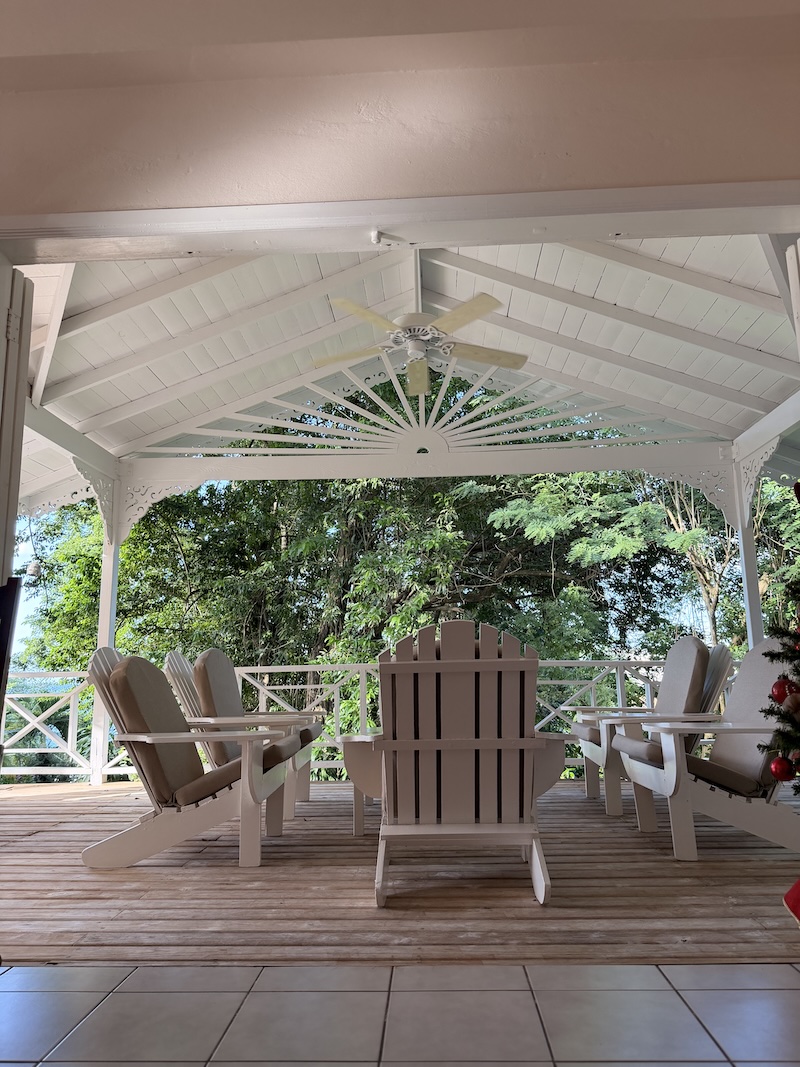
    blue haven in tobago

    Best place to stay in Tobago

    For Tobago Carnival, I always look for somewhere that lets me enjoy the energy of the season and properly recover—and that’s why Plantation Beach Villas stands out for me.

    Staying right on the beach in Black Rock, the villas offer space, privacy, and a calm that’s hard to beat during Carnival. After long days on the road and late nights at fetes, having your own villa to come back to makes a real difference. It’s relaxed, comfortable, and perfectly balanced: close enough to the action, but far enough to truly switch off when you need to.

    For me, that mix of Carnival energy and genuine downtime is what makes a stay in Tobago unforgettable.

    Know what everyone is talking about..

    Carnival glossary

    Explore the Caribbean!

    Things to do in Port of Spain | Trini’s notorious capital

    Things to do in Port of Spain | Trini’s notorious capital

    Trini's notorious capital - Is it worth a visit?

    Duration: at least one week

    Budget: $ 75 per day

    Where to stay: Kapok Hotel or Culture Crossroads Inn

    Port of Spain, the vibrant capital of Trinidad and Tobago, has become a place I love returning to. Nestled between the coast and lush hills, the city offers a mix of colorful Caribbean homes and historic colonial architecture.

    From the moment you arrive, the diversity of its people is striking—a vibrant blend of African, Indian, Spanish, and other cultures that shape its energy, traditions, and food.

    While its reputation might deter some visitors outside Carnival season, Port of Spain has a unique charm for those willing to dive in. Like Kingston, it’s not conventionally beautiful, but its energy, culture, and character make it a fascinating place to explore.

    Its streets pulse with life, from bustling markets and street food vendors to vibrant nightlife and cultural landmarks like the Queen’s Park Savannah.

    Whether it’s exploring its rich history, tasting doubles from a roadside vendor, or simply soaking up the atmosphere, Port of Spain offers experiences that stay with you long after you leave.

    • Sight Seeing 80% 80%
    • Places to eat 95% 95%
    • Day-Trips 95% 95%
    • Culture 100% 100%

    Port of Spain has a special place in my heart, not just because it’s full of life and culture but because it feels like home in a way no other city does—my boyfriend lives here. Walking its streets, I’m struck by the city’s rhythm, from the hum of street vendors selling doubles to the music that spills out of passing cars. The blend of vibrant neighborhoods, lively markets, and quiet moments at the Queen’s Park Savannah gives the city a personality that feels alive and authentic.

    When I first heard about the state of emergency, I wasn’t worried, but I did notice how it changed people’s perception of Trinidad. Despite the news headlines, once I arrived, it felt like life in Port of Spain hadn’t skipped a beat. Bars still buzz with conversation, street vendors serve up their usual treats, and local events carry on as they always have. If you’re planning a visit, there’s no need to hold back—Trinidad’s vibrant culture is still there, waiting to be explored.

    Stroll Queen’s Park Savannah

    Queen’s Park Savannah is one of my favorite places to explore in Port of Spain. It used to be a sugar plantation and later a racecourse, but now it’s a lively gathering spot and the center stage for Trinidad’s famous Carnival. The 3.7-kilometer loop around its lush lawn—often called the world’s largest roundabout—draws joggers, evening walkers, and vendors selling fresh coconut water to help you beat the heat.

    Throughout the year, there’s always something happening here. During Easter, you can join locals flying “mad-bull” kites, and when Carnival season rolls around, the Savannah transforms into the pulsating center of Trinidad’s biggest celebration. By night, street food stalls near the National Academy for the Performing Arts serve mouthwatering Trini delights.

    If you want a quieter spot, head just north to Circular Road, where the serene Hollows has fishponds and gentle hillocks perfect for a peaceful walk. Nearby, the historic Peschier Cemetery pays tribute to the French Creoles, and the President’s House—built in 1818—adds a dash of colonial grandeur. Whether you’re here for a jog, a festival, or just a taste of local life, the Savannah never disappoints.


    Downtown Beirut

    The Magnificent 7

    If you find yourself strolling along Maraval Road in St. Clair, you can’t miss the Magnificent Seven—a stunning row of colonial-era mansions that exude old-world glamour. Built between 1902 and 1910 on what was once farmland, these architectural treasures were commissioned by affluent residents during a period of economic prosperity. Influenced by European styles, the mansions showcase an eclectic mix of Gothic, Moorish, and Renaissance Revival designs. Today, they stand as iconic landmarks, preserving a glimpse of Trinidad’s colonial history and architectural heritage.

    Take in the views from Fort George

    This historic fort is one of my favorite places in Trinidad. It sits high above Port of Spain and the Gulf of Paria, giving you sweeping views of the city and sea.

    The easiest way to get there is by rental car, but if you’re feeling adventurous, it’s about an hour’s walk uphill. Once you reach the top, you’ll find old stone walls, rows of cannons, and a wooden signal station that tells the fort’s story.

    Built in 1883 by Ashanti prince Kofi Nte, it’s a fascinating glimpse into the island’s past.

    Mohammad al-Amin Mosque
    downtown Port of Spain, Trinidad

    Independence Square and downtown

    Head to downtown Port of Spain for a unique blend of culture, commerce, and cosmopolitan life. On your way there, you’ll pass by the historic Independence Square, adorned with colorful flags from all 32 countries in the Caribbean region. Take a moment to pause here and take in the wonderful sight of historic buildings, monuments, and lush gardens that make up this buzzing plaza. Downtown Port of Spain is full of stores selling anything and everything. You’ll find street food and local fruits and veggies as well.

    Farmers Market on Saturdays

    The Port of Spain Farmers Market is a must-visit on Saturdays. Here, you’ll find an array of fresh fruits and vegetables from the nearby farms as well as handmade crafts from local artisans. It’s also a great spot to buy souvenirs for your loved ones back home. Prices are usually quite reasonable, so it’s worth doing some bargaining before making a purchase.

    corniche in Beirut 2022

    Relax at the Royal Botanical Gardens

    The Botanical Gardens of Port of Spain are the perfect spot to relax and enjoy the beauty of nature. Spend a peaceful afternoon strolling through the lush gardens, admiring its great variety of plants and flowers. Make sure to keep an eye out for exotic birds such as hummingbirds or flamingos, which can often be seen perched among the trees. It’s a super beautiful way to take a break from the city!

    The garden are open daily from 6 am til 6 pm.

    Sample the diverse cuisine

    From street food to fine-dining restaurants, Port of Spain offers a host of diverse culinary experiences. Try the tasty local dishes such as roti and callaloo and be sure to wash it all down with a cool glass of sorrel juice. The cuisine reflects the diverse population of the city so you’re sure to discover something new and delicious. Trinidad Foodtours offers culinary tours across the island and in Port of Spain.

    doubles in Port of Spain, Trinidad
    panyard in Trinidad

    Tour a panyard

    The steel pan is a unique instrument, born in Trinidad and Tobago. Steelpan music has become an integral part of the culture and many visitors take the opportunity to visit the steelpan bands for a behind-the-scenes look. We loved listening to the bands and watching them practice. After we left last year, the United Nations declared August 11 World Steelpan Day. Knowing the Trinis there will be great celebrations going on.

    Nightlife in Woodbrook

    With an abundant selection of bars, clubs, and restaurants, this neighborhood offers a sensational nightlife experience. Indulge in delectable local cuisine infused with the flavors of the Caribbean, all while immersing yourself in the captivating sounds of Soca and Calypso dancing. The Avenue as many refer to is a street in Woodbrook where you can just bar or restaurant hop from one place to another.

    Me at Lazy B, a beach club outside of Beirut
    Maracas beach in Trinidad

    Day trip to nearby beaches

    Day Trip to Nearby Beaches
    Maracas Beach
    Maracas is hands-down my favorite beach in Trinidad—and one of my top picks in the entire Caribbean! It’s about an hour from Port of Spain, and the drive through lush, green hills is gorgeous. The beach truly comes alive on weekends when locals come out to rent $10 sunbeds, enjoy tasty snacks, and swim in emerald-green waters. If you’re not renting a car, TT rideshare is convenient—just be sure to schedule your ride back or consider booking with a local tour company like Kalloo’s Caribbean Car Rental and Tour Service to avoid hassles.

    Driving in Trinidad
    Renting a car in Trnidad is a fantastic way to explorethe island at your own pace. The roads can be narrow, and traffic can get busy, but a little patience goes a long way. It’s also a great idea to use local car rentals and tour companies—you’ll get insider tips and support the local economy while discovering the island’s hidden gems!

    Las Cuevas Beach
    Just ten minutes from Maracas, Las Cuevas is quieter and perfect for a laid-back beach day. Pack a picnic, grab a favorite book, and soak up the Caribbean sun in this peaceful spot.

    Check out the cultural celebrations

    Trinidad is full of cultural events and annual celebrations, which makes it the perfect destination for anyone looking to experience something truly unique. From traditional carnival festivities to street parades, there’s always something going on in this vibrant city. So don’t miss out on the chance to get involved with the locals and join in the fun!

    The Indian Lightfest and Indian Arrival Day are two of the most famous cultural celebrations in the city, bringing a wonderful mix of music, dance, and street performances to life.

    Another cultural celebration not to be missed is Hosay, which is observed by both Hindus and Muslims alike in the city and includes a procession of miniature temples accompanied by sounds of traditional music.

    In August Trinidad celebrates the Santa Rosa Carib Festival and the Oshun River Festival. Santa Rosa Carib Festival is also another highly popular cultural celebration in Trinidad and celebrates the country’s rich Amerindian heritage.

    Oshun River Festival is another popular celebration in Trinidad that takes place on the banks of the Caroni River and features traditional folk dancing, masquerades, art displays, and music.

    Kaya at Trinidad carnival

    Visit the Carnival Museum

    I’ve always had a deep love for carnivals, but I’ve yet to experience the legendary Trinidad Carnival firsthand. However, I did have the chance to visit the Carnival Museum in Port of Spain, and it was a remarkable experience. The museum beautifully encapsulates the essence of Carnival, tracing its journey from the roots in emancipation celebrations to the vibrant spectacle it has become today. As I wandered through the exhibits, I could almost hear the infectious soca rhythms and feel the energy of the masqueraders. It was a powerful reminder of the resilience and joy that define the people of Trinidad and Tobago, deepening my appreciation for the rich cultural heritage that Carnival represents. If you’re eager to catch a glimpse of Trinidad’s Carnival spirit, you can start as early as August when the first bands launch their costumes, marking the slow but exciting beginning of the season.

    Day trips from Port of Spain

    During my stay in Port of Spain, I took the opportunity to explore some incredible day trips that showcased the natural beauty and cultural richness of Trinidad.

    Maracas Bay

    One of my favorite excursions was to Maracas Bay, just a short drive through the lush Northern Range. The journey itself was breathtaking, with winding roads offering glimpses of the rainforest before opening up to the pristine beach. I indulged in a famous “bake and shark” right on the shore, which was as delicious as everyone says.

    Asa Wright Nature Centre

    Another memorable trip was to the Asa Wright Nature Centre, where I was surrounded by the sounds of tropical birds and the vibrant colors of the forest. The serenity of the center was a perfect escape, allowing me to connect with Trinidad’s unique wildlife.

    Caroni Bird Sanctuary

    I also visited the Caroni Bird Sanctuary, where a boat ride through the mangroves at sunset revealed the stunning sight of scarlet ibises returning to roost—a truly magical experience. Each of these day trips offered a different slice of Trinidad’s diverse landscape, making my stay in Port of Spain even more unforgettable.

    me on Maracas beach

    Go on a sunset cruise

    A sunset cruise in Port of Spain is a pretty laid-back way to end the day. As the sun dips below the horizon, the city and coastline take on this warm, golden glow that’s hard to beat. It’s nice to just kick back, feel the breeze, and watch the colors change in the sky. You don’t need much more than that—the scenery does all the work. It’s a simple but really cool way to experience a different side of the city.

    Practical Travel Tips for Trinidad and Tobago

    Language: English

    Currency: TT Dollar

    K
    L

    How to get to Tobago

    You’ve got two main routes—by air or by sea—and both kick off your island adventure the moment you step on board.

    By Air

    Fly into ANR Robinson International Airport (TAB) just outside Scarborough. Caribbean Airlines and several regional carriers operate daily hops from Port of Spain (about 25 minutes), plus flights from hubs like Barbados, Antigua and select North American gateways.

    When you land, licensed taxis (look for plates beginning with “H”) wait curbside at fixed rates—or pick up your rental car right at the terminal and set your own pace (we drive on the left).

    By Ferry

    Head to the Port of Spain ferry terminal for a comfortable sea crossing—most services depart twice a day and take roughly 2½–3 hours.

    On clear days you’ll dramatic coastal views as you glide toward Scarborough’s harbor. Make sure to bring movement sickness pills as you might get sick though the ferry is very comfortable.

    K
    L

    What is the best time to visit Tobago?

    Your description goes here. Edit or remove this text inline or in the description settings

    K
    L

    Is Tobago safe?

    Absolutely—Tobago is one of the Caribbean’s friendliest, low-crime islands, and you’ll feel right at home from day one. Violent crime is extremely rare, even after dark, and locals are warm and welcoming.

    That said, it’s still wise to use common-sense precautions:

    • Watch your stuff in busy town centers or during carnival—petty theft can happen.

    • Stick to licensed taxis (plates start with “H”) or trusted drivers at night.

    • Swim smart: some beaches have strong currents, so pick lifeguarded spots or ask a local before you go in.

    • Drive with care: we drive on the left, and roads can be narrow and winding.

    Follow these simple tips, and you’ll be free to explore waterfalls, festivals and hidden bays with total peace of mind.

    Sources
    Ask ChatGPT

    K
    L

    Is Trinidad safe?

    Having spent months exploring Trinidad’s peaks, rainforests and city streets, I can tell you it’s generally safe—locals are warm and welcoming, and most visits pass without a hitch. That said, it pays to use common sense, especially in busy urban areas. Here’s what’s worked for me:

    Stay aware in Port-of-Spain: Petty theft (pickpocketing, bag snatches) can happen in crowded markets or on public transport. Keep valuables in front-facing bags or money belts.

    Use licensed taxis: Look for yellow plates starting with “H” and agree your fare before you hop in. Ride-hailing apps like TT Uber work well in the city.

    Avoid empty, poorly lit streets at night: Stick to well-lit main roads or take a trusted taxi if you’re out late.

    Secure your accommodation: Use hotel safes or locked luggage for passports, extra cash and electronics.

    Watch your drink: As at any party hotspot (hello, Carnival!), keep an eye on your glass and never leave it unattended.

    Beach & nature safety: Beaches like Maracas and Las Cuevas have lifeguards; ask locals about currents before swimming. On hikes, go with a group or guide and carry water, a phone and a headlamp if you’ll be back after dark.

    K
    L

    How to get around Tobago?

    Tobago’s compact size means you’ve got plenty of options—pick what fits your style and budget. I kicked things off by hiring a driver to show me the ropes, and after a day or two, I felt confident enough to get behind the wheel myself.

    Rent a car

    Freedom to roam: Ideal once you know the roads—go at your own pace to hidden bays, waterfalls and hillside lookouts.

    Left-hand driving: Road signs are clear but some back roads get narrow and winding—take it slow, especially after rain.

    Tip: I started with a local driver for a day’s island tour, then rented a car so I could explore solo.

    Maxi Taxis (shared vans)

    Budget-friendly: Fixed routes between Scarborough, Crown Point, Morningstar and Charlotteville.

    Hail and hop: They leave when full—just flag one down at a stand or on the roadside.

    Cost: Roughly TT $8–15 per ride, depending on distance.

    Private Taxis

    Door-to-door service: Look for yellow plates starting with “H,” agree on the fare upfront.

    Great for groups: Negotiate half- or full-day rates to tour the island with friends.

    Scooters & Bikes

    Quick runs: Perfect for short hops between nearby beaches and villages—watch for potholes and always wear a helmet.

    Where to rent: Crown Point and Castara have rental shops.

    Water Taxis & Boat Charters

    Sea routes: Some operators connect Store Bay, Pigeon Point and Blue Waters by boat—ask locally for schedules.

    Private charters: Ideal for beach-hopping, snorkeling stops or a sunset cruise.

    On Foot

    Walkable towns: Castara, Speyside and Scarborough are great for strolling—pop into a rum shop or local bakery.

    Trails & hikes: Many waterfalls and ridge walks start as footpaths—bring sturdy shoes.

    K
    L

    What are the challenges for the conscious traveler?

    Trash. Street food almost always comes wrapped in aluminum foil, and many restaurants serve it in to-go boxes. Luckily enough, a foldable food container will go a long way.

    Generally speaking, responsible tourism practices are not (yet) prevalent in Trinidad or Tobago. Therefore, wear eco-friendly sunscreen when visiting waterfalls and the beach.

    Sunscreen: Protect Marine life and wear reef-friendly sunscreen!

    Sunscreen: Protect Trinidads coast by using reef-friendly sunscreen.

    K
    L

    How to move between Trinidad and Tobago?

    You’ve got two straightforward options—by air or by sea—and both are easy to book:

    By Air

    Duration: About a 25-minute flight.

    Airlines: Caribbean Airlines runs multiple daily flights between Piarco International Airport (POS) near Port of Spain and ANR Robinson Airport (TAB) outside Scarborough.

    Booking: Reserve online or through travel agents; flights often fill up around Carnival and Christmas, so book early if you travel in peak season.

    On arrival: Taxis, rental cars and maxi-taxis are all waiting curbside at TAB to whisk you to your Tobago base.

    By Ferry

    Duration: Roughly 2½–3 hours on a comfortable passenger catamaran.

    Departure/Arrival: Ferries depart Port of Spain’s ferry terminal and arrive at Scarborough’s bay.

    Schedule: Typically two sailings each way daily; times vary by operator so check online or call ahead.

    Booking & Fare: Buy tickets at the terminal or online; fares are budget-friendly and you can bring a small amount of luggage onboard.

    K
    L

    Can I drink tap water in Tobago?

    Generally, yes—the public water supply in Tobago is treated and routinely tested, so it meets local safety standards. In most hotels, guesthouses and restaurants you’ll find the tap water is chlorinated and perfectly fine for brushing your teeth or making coffee.

    That said, if you have a sensitive stomach—or you’re heading off the beaten path to remote bays—I prefer to stick to a UV water bottle just to play it safe. Here’s my rule of thumb:

    • In Scarborough, Crown Point & major resorts: Tap water is usually OK; feel free to refill a reusable bottle at a filtered-water station.

    • In villages or rustic eco-lodges: Opt for bottled water, especially if you’re unsure about the plumbing.

    • During heavy rains: Occasionally there can be brief turbidity or boil advisories—your accommodation or tour operator will let you know.

    K
    L

    What languages ars spoken in Trinidad and Tobago?

    Standard English: The official language used in government, schools, media and business.

    Trinidadian Creole & Tobagonian Creole: English-based creoles used in everyday conversation, with distinct local flavors on each island.

    Spanish: Widely taught in schools and spoken, especially in communities near the Venezuelan coast.

    Trinidadian Hindustani: A Bhojpuri-derived dialect preserved mainly by older Indo-Trinidadian families and in cultural events.

    French Creole (Patois): A small, older community still uses this French-based creole in rural villages.

    Tamil: Spoken by some elderly members of the Tamil-heritage community.

    Chinese Dialects: Hakka and Cantonese are common among Chinese-Trinidadians, with some Mandarin among newer residents.

    Sign Languages: The indigenous Trinidad and Tobago Sign Language serves the local deaf community, and American Sign Language is also used in schools and by many deaf individuals.

    tanzania travel Zanzibar beaches

    Packing List Caribbean

    Are you getting ready to travel to Trinidad and Tobago? Check out my packing list to come prepared. You’ll find anything from cloths to useful travel gadgets and eco friendly travel products!

    Traveling Trinidad and Tobago?

    Trinidad & Tobago Itinerary

    Places to visit in the Caribbean

    Island Hopping St. Vincent

    Island Hopping St. Vincent

    Join me as I island-hop through Saint Vincent’s gems—from Bequia to Union Island—in under an hour on budget-friendly boat rides that unveil hidden beaches, local flavors, and Caribbean charm.

    read more