
When Is It Okay to Travel After a Catastrophe?
There are moments when a trip stops being just a trip.
A flight is booked. A hotel is confirmed. You have an itinerary. Then something happens: a hurricane, an earthquake, a flood, an explosion, an attack, unrest. Suddenly, the question is no longer only: Can I still go?
It becomes: Should I?
I have asked myself this question in very different places. I was in Sri Lanka during the 2019 Easter bombings, visited Lebanon two years after the Beirut port explosion, travelled to Carriacou after Hurricane Beryl, was in Saint Lucia after Beryl, and later in Jamaica after Hurricane Melissa.
Each situation was different. But all of them changed the meaning of travel.
When a place is hurt, your presence has weight. Your booking, your camera, your expectations, your money, your silence — all of it matters more.
The ethical question is not simply whether tourists should stay away or return. The better question is:
What does my presence do right now?
Not every catastrophe asks the same thing from travelers
A hurricane is not the same as a terrorist attack. An earthquake is not the same as political unrest. Some catastrophes destroy roads, homes, hospitals, power lines and water systems. Others damage trust, memory, safety and the feeling that life can continue normally.
That is why there is no universal rule.
Sometimes the most respectful thing is to leave. Sometimes it is to postpone. Sometimes it is to return later and spend money where it is urgently needed.
The important thing is not to make the decision only around your own inconvenience.
After a catastrophe, tourism can do two very different things: it can support recovery, or it can become another burden.
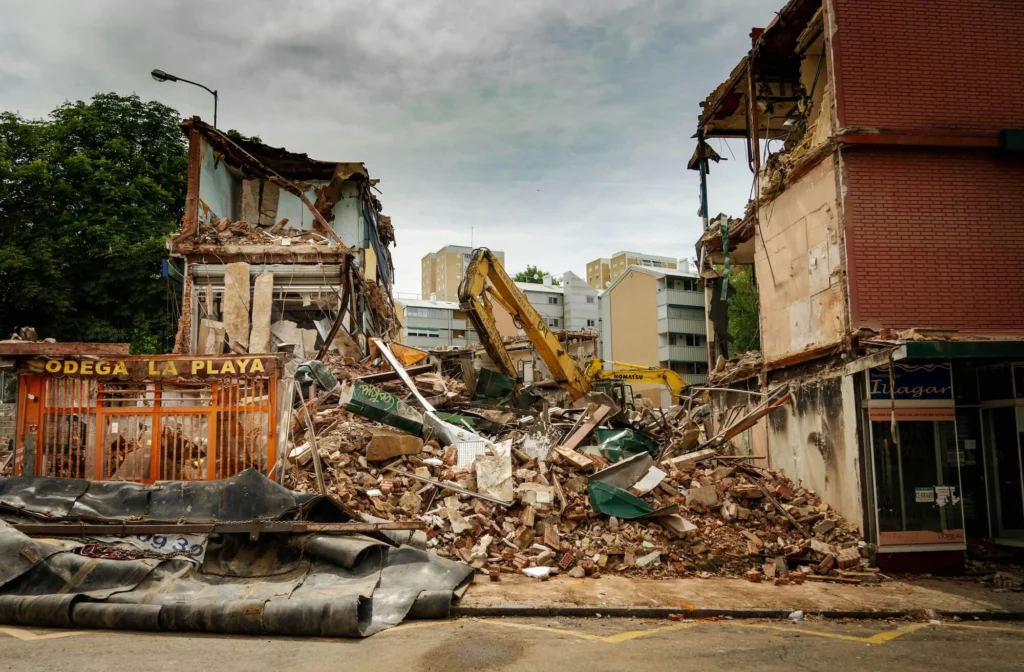
Staying away is not always solidarity
People meet while traveling. They flirt, fall in love, have sex, build relaIt is tempting to think that after a disaster, the ethical answer is always: do not go.
Sometimes that is true. But not always.
In tourism-dependent destinations, a catastrophe can be followed by a second economic shock: cancellations. Hotels, guesthouses, guides, taxi drivers, restaurants, ferry operators, farmers, market vendors and small tour companies may lose income exactly when they need it most.
A place can be damaged and still need visitors. A community can be grieving and still need work. A hotel can reopen not because everything is perfect, but because employees need salaries and local businesses need cash flow.
So no, staying away is not automatically the more ethical choice.
Sometimes returning is part of recovery.
But only when the destination is ready.
Going anyway can be harmful
TouThere are also moments when visitors should stay away.
If emergency response is still active, roads are unsafe, hospitals are stretched, water or electricity is limited, or residents need accommodation, food, fuel and transport, tourists can become part of the pressure.
Even good intentions can create work for people who already have too much to carry.
Your holiday should not become another thing a recovering community has to manage.
This is especially important when travelers say they want to “help.” Wanting to help is human. But after a catastrophe, help has to be useful, invited and locally led. Otherwise, it can become another form of centering ourselves.
Before going, ask honestly:
Am I needed? Am I invited? Am I useful? Or am I mostly trying to rescue my own travel plans?
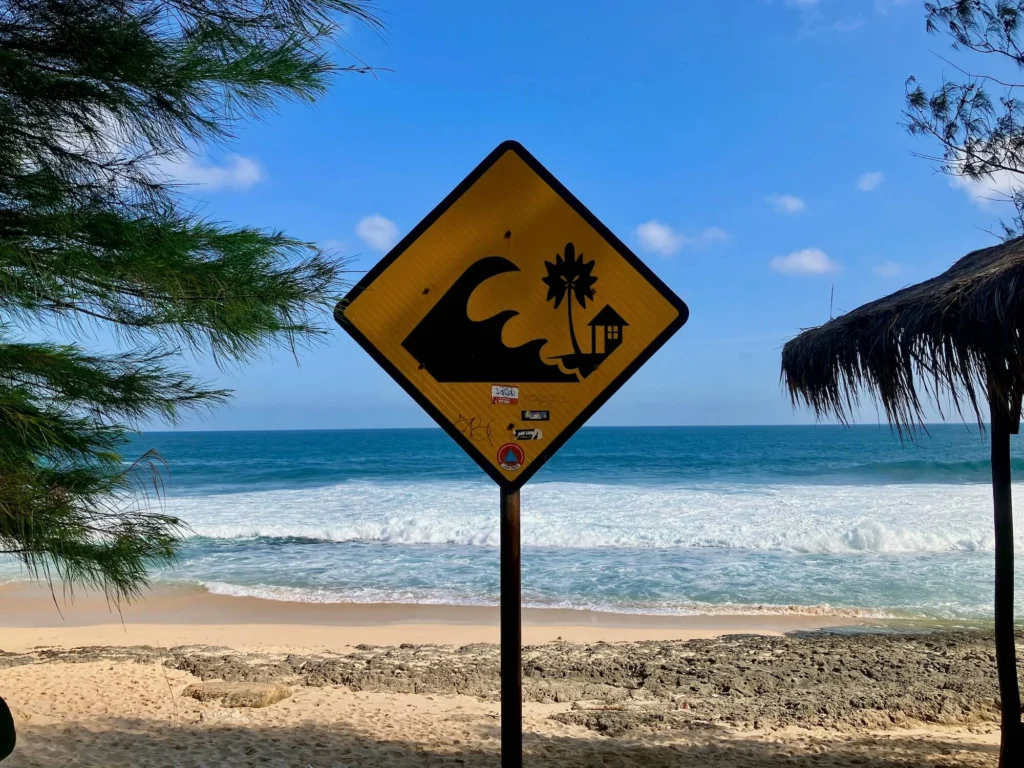
Disaster tourism or recovery tourism?
The difference between disaster tourism and recovery tourism is not only when you go. It is how you behave when you arrive.
Disaster tourism asks: What can I see?
Recovery tourism asks: What can I support?
Disaster tourism turns someone else’s loss into content. It photographs destroyed homes, damaged streets, broken boats and visible suffering. It enters places that are not ready. It expects normal service too soon. It treats resilience as something locals should perform for visitors.
Recovery tourism is different. It means visiting when a destination is ready to receive people again. It means following local guidance, spending locally, respecting closures, accepting that things may not be perfect, and understanding that your trip takes place inside someone else’s recovery process.
The camera matters. So does the caption. So does the tone.
Not everything needs to become a story.
What Carriacou taught me after Beryl
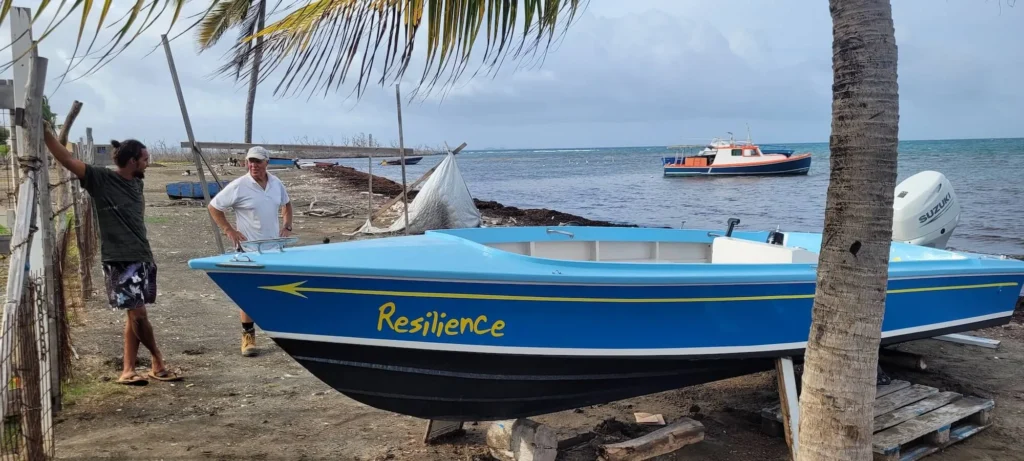
Carriacou made this question feel very real to me.
After Hurricane Beryl, the island was not an abstract headline. It was homes, beaches, boats, roads, guesthouses, water tanks, roofs, fruit trees, ferries, small businesses and people trying to move forward.
Beryl became the earliest Category 5 hurricane ever recorded in the Atlantic basin. It caused major damage across parts of the Caribbean, including Carriacou and Petite Martinique, where the World Meteorological Organization reported that more than 98% of homes were damaged or destroyed. (public.wmo.int)
On a small island, catastrophe touches almost everything. Tourism is not separate from daily life. The person running your guesthouse may also be repairing a roof. The taxi driver may be helping family members rebuild. The restaurant may be open, but supplies may still be complicated.
That is why returning after disaster requires humility.
It is not about arriving to witness damage. It is about asking whether the island is ready, whether your money reaches local people, and whether you can accept a place as it is — not only as you imagined it.
Jamaica showed me why headlines are not enough
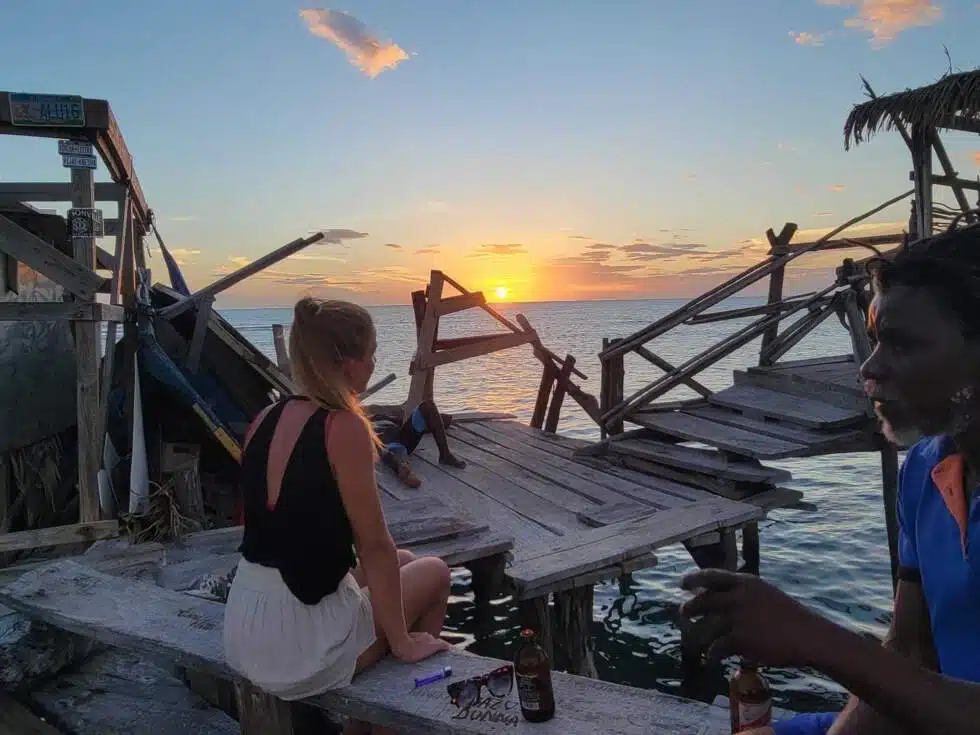
Jamaica after Hurricane Melissa showed me another side of this question.
Melissa hit Jamaica as a catastrophic Category 5 hurricane and caused serious damage, especially in some communities. The United Nations described it as a highly destructive storm that crossed Jamaica from southwest to northeast before continuing toward Cuba and The Bahamas. (jamaica.un.org)
But Jamaica was not destroyed as one single, uniform place. That distinction matters.
After a catastrophe, headlines often flatten a country. They make it sound as if everything is either ruined or fine. In reality, recovery is uneven. One parish may be dealing with damaged homes, blocked roads or power cuts, while another part of the island may be open, functioning and hoping visitors return.
That was the complexity in Jamaica. Some areas needed space, relief and rebuilding. Other areas were already receiving visitors again. Tourism officials were working to restore confidence because tourism is not only about hotels. It is also income for drivers, guides, cooks, farmers, craft sellers, restaurant owners, musicians, cleaners, small guesthouses and families.
By mid-December 2025, the Jamaica Tourist Board said key resort areas including Montego Bay, Ocho Rios, Negril and Kingston were open for business, and that Jamaica had welcomed 300,000 visitors after Hurricane Melissa. (jtbonline.org)
That does not erase the damage. It does not mean every community was okay. It does not mean travelers should arrive carelessly.
But it does show why “just stay away” is not always the most helpful response.
Sometimes the ethical choice is to postpone. Sometimes it is to stay away from the hardest-hit areas. And sometimes it is to return carefully to the places that are open — because people there are asking for work, bookings, income and confidence to come back.
The key is not to decide from a headline.
The key is to ask: Which part of the country am I visiting? Is it ready? Are local businesses asking visitors to return? Will my money reach people who need it?
Open does not mean healed
Lebanon taught me something different.
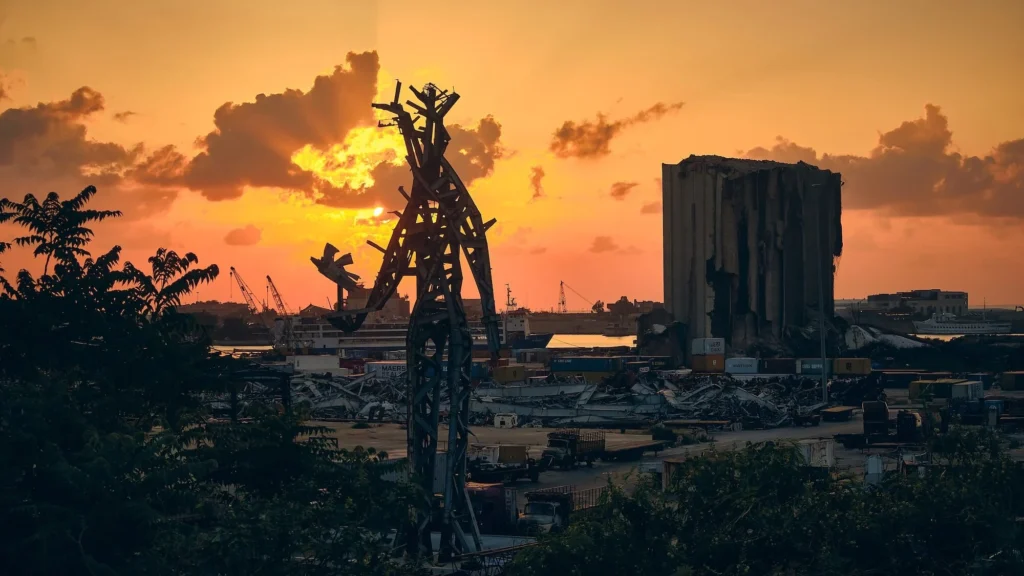
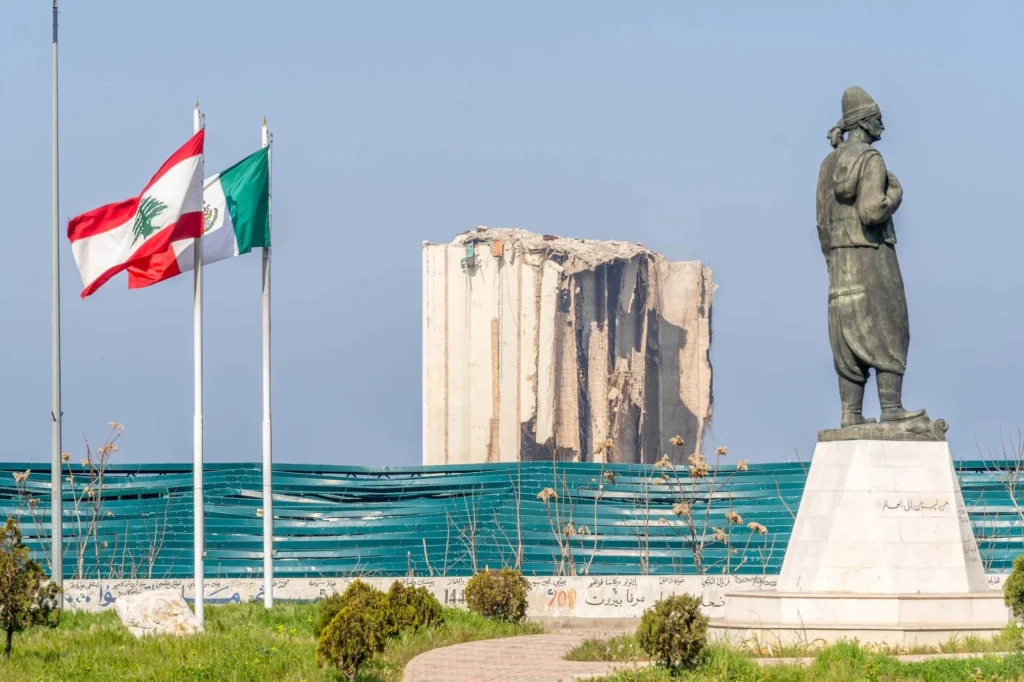
I visited two years after the Beirut port explosion. The city was alive, generous, creative and intense. Restaurants were open. People were working. Life was moving.
But the wound was not gone.
That is one of the hardest things for travelers to understand: open does not mean healed.
A place can welcome visitors and still carry trauma. A guide can be warm and still angry. A city can be vibrant and still grieving. A hotel can operate while people are still waiting for justice, repairs or answers.
Travelers often love stories of resilience. But resilience should not become another thing we consume.
Sometimes respectful travel means supporting a place without asking it to explain its wounds.
How to decide whether to travel after a catastrophe
There is no universal timeline. A destination is not automatically ready after two weeks, two months, or even two years. Readiness depends on the place, the infrastructure, the community, and the kind of trip you plan to take.
Before going, ask:
Are airports, roads, ports and public transport functioning safely? Are water, electricity and health services stable enough? Are local authorities, tourism boards and businesses clearly inviting visitors back? Is your specific area affected, or only another part of the country? Is your accommodation operating without taking resources from residents? Will your money reach local businesses? Can you travel with patience if things are slower or different? Are you prepared not to photograph damage, grief or rebuilding?
The right time to return is not when tourists are impatient.
It is when the destination has the capacity and desire to receive visitors again.
What to do if you go
If you travel after a catastrophe, go differently.
Follow local guidance, not social media rumors. Stay in areas that are open and ready. Spend directly with local businesses. Tip generously. Respect closures. Do not enter damaged or restricted areas. Do not photograph people rebuilding their homes unless you have clear permission. Do not complain that things are not “back to normal.”
Bring patience instead of entitlement.
Ask what is actually helpful. Sometimes that means donating to a local fund. Sometimes it means booking a small guesthouse. Sometimes it means eating at a family-run restaurant. Sometimes it means leaving certain places alone.
A damaged roof is not a backdrop. A flooded street is not an aesthetic. A grieving community is not an opportunity for engagement.
If you share, share with context, consent and care.
What to do if you postpone
Sometimes the most ethical trip is the one you postpone.
But postponing should not mean forgetting.
If you can, rebook instead of demanding an immediate refund from a small business. Accept a voucher. Donate to a trusted local recovery organization. Promote local guides, hotels and restaurants. Keep following updates. Return later, when the destination is ready.
Also, be patient with communication. After a catastrophe, a small hotel owner or guide may not be ignoring you. They may be dealing with damage, power cuts, family needs, insurance, cleanup or grief.
Travelers often want instant clarity.
Recovery rarely gives that.
Return with humility
The traveler’s dilemma is uncomfortable because it is temporary.
We can cancel, rebook, claim insurance, choose another island, another city, another coastline. Local communities do not have that distance. Their homes, jobs, schools, roads, farms, reefs and memories are in the place we are deciding whether to visit.
That does not mean we should drown in guilt. Guilt is not very useful.
Responsibility is.
There is no perfect answer to when it is okay to travel after a catastrophe. Sometimes the answer is to wait. Sometimes it is to return. Sometimes it is to cancel, donate, rebook and come later. Sometimes the most helpful thing is to go, spend locally, and show that the destination has not been forgotten.
But when we do return, we should not return as consumers of paradise.
We should return as guests in a place that is healing.
The ethical question is not simply: Can I still go?
It is: What does my presence do right now?
And if we can answer that honestly, travel after catastrophe can become something better than intrusion.
It can become part of recovery.