Beaches around Kingston
JAMAICA
Jamaica’s most underrated beaches
Before I first came to Kingston, I did not think of it as a beach city. I came for the music, food, culture, nightlife and that unmistakable Kingston energy — and on my first visit, I barely made time for the coast at all.
That was a mistake.
Kingston itself can be intense in the best and most exhausting ways, and the beaches nearby are the perfect reset: close enough for a few hours away from the city, but different enough to change the whole mood of the day. Some are lively and full of music, food and local weekend energy; others are calmer, saltier and better for simply sitting by the water. They are not always the postcard beaches people imagine when they think of Jamaica, but they have something I love even more: character, rhythm and a real connection to Kingston life.
Things to know when visiting Kingston’s beaches
Things to Know About Beaches Near Kingston
The beaches near Kingston surprised me. They are not polished resort beaches, and that is exactly why I like them. They feel close to the city — sometimes loud, often full of food, music, salt air and local weekend energy.
Each beach has its own mood.
Hellshire is all about fried fish and a proper local beach day. Lime Cay feels like a small boat escape from the city. Bob Marley Beach has a rootsier, more cultural energy. I would choose based on the kind of day you want, not just distance.
Beach access matters in Jamaica.
The beaches around Kingston are public and deeply loved, but access to Jamaica’s coast is not always simple. Bob Marley Beach, in particular, has faced pressure from development and possible privatization. Support local vendors, leave no trash, and remember these beaches are part of community life.
Transport needs planning.
Distances may look short, but traffic and costs can add up. Arrange a trusted driver, agree on the price beforehand, and plan your return before it gets too late.
Best places to stay in Kingston
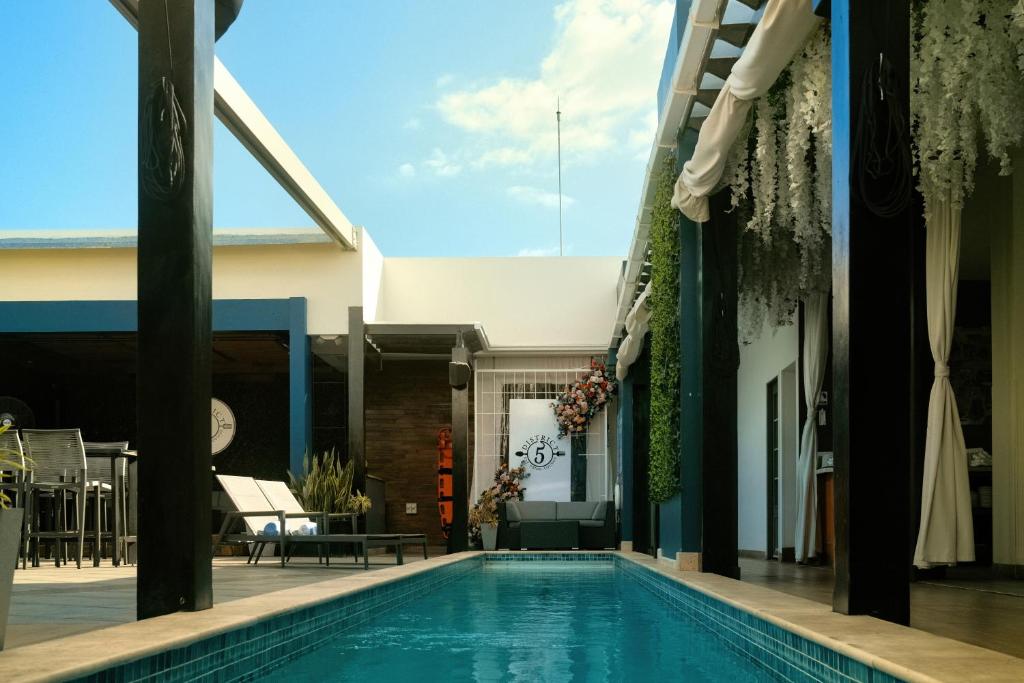
Kingston is not the kind of city where I would book accommodation only by price. The right base makes a big difference here — for getting around, feeling comfortable, reaching restaurants and nightlife, and exploring places like the Bob Marley Museum, Devon House, Downtown Kingston, Dub Club, and the Blue Mountains.
Rocksteady is the stay I would choose if I wanted Jamaica Carnival to feel more connected to Kingston itself. It is not a polished hotel experience, and that is exactly the appeal. It feels more personal, creative, and rooted in the city’s music and cultural energy.
Barbican is a good area if you want to be slightly away from the most obvious hotel zone, while still being well placed for getting around. I would especially consider Rocksteady if you are traveling solo, coming for the dancehall and creative side of Kingston, or prefer a guesthouse-style stay over a standard hotel.
Best for: solo travelers, creatives, dancehall lovers, and travelers who want a more local Kingston base.
ROK Hotel is a good choice if you want to stay in Downtown Kingston, close to the waterfront, the National Gallery, cultural spaces, and a part of the city many visitors still overlook. It gives you a very different Kingston experience from New Kingston or the more residential areas uptown.
I would choose ROK if I wanted a more urban, design-led stay and planned to explore downtown with intention. It is not the area I would recommend for everyone’s first Kingston trip, but it can be a strong base if you are interested in art, history, architecture, and the city’s changing waterfront.
Best for: culture-focused travelers, design lovers, repeat visitors, and anyone who wants to experience Downtown Kingston more directly.
R Hotel Kingston is another strong New Kingston option, especially for a longer Carnival stay. It feels practical in the best way: central, comfortable, and useful if you want a little more space or room facilities rather than just a place to sleep.
I would choose this if I wanted to pace myself through Carnival week — close enough to the action, but with a room that still feels functional when you need to recover, repack, wash costume pieces, or just hide from the heat for a few hours.
Best for: longer stays, couples, small groups, and travelers who want comfort with practical details.
Port Royal – Kingston 1, where it began
Port Royal, which is sometimes referred to as the “wickedest place on earth,” is one of the first settlements in Jamaica and, despite its beaches, offers so much more to its visitors.
I visited Port Royal twice and was so amazed by the history, the vibes, and the beach that I promised to come back and stay for some days.
Little background info on Port Royal, Jamaica:
The natural harbor of Port Royal on the southeast coast of Jamaica was once known as the largest city in the New World, rivaling Boston. However, port Royal quickly became infamous for being home to pirates, prostitutes, and English migrants.
However, the booming city was destroyed by an earthquake and tsunami waves. Two-thirds of the town disappeared into the ocean, over 200 people were killed, and major forts were destroyed. The story of Port Royal became somewhat of a cautionary tale. Today, most of the city still lies underwater, and since the 1950s, it has been possible to dive and explore the site. If you want to read more on the history of Port Royal, check out Atlas Obscura!
Things to do in Port Royal
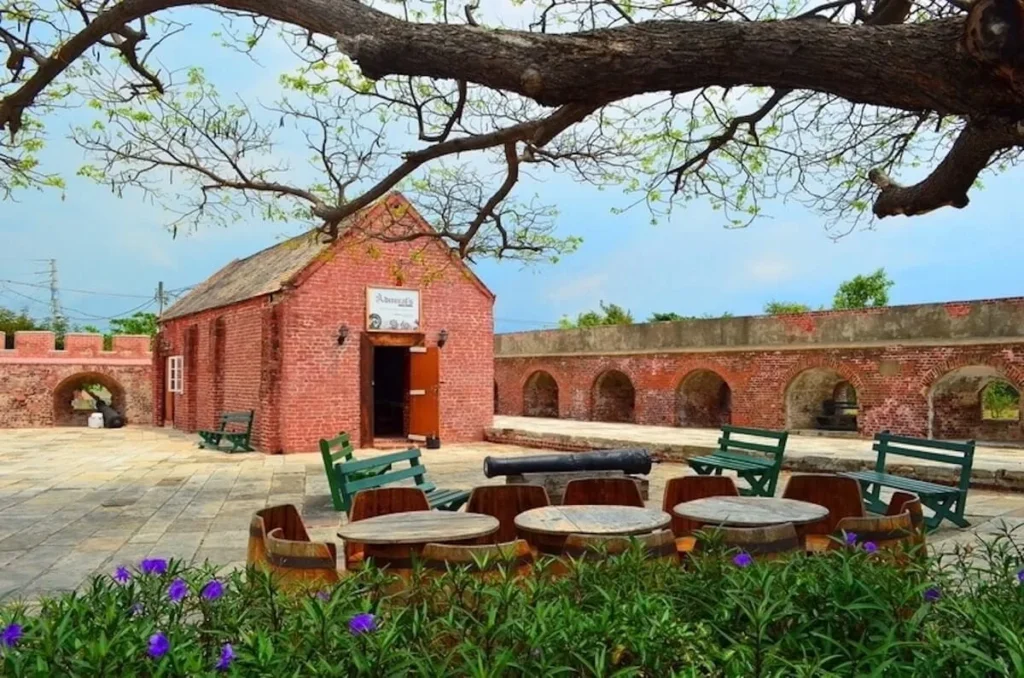
1. Giddy House
What a rare sight, somewhat comparable to the leaning tower of Pisa.
2. Visit Fort Charles
Fort Charles is the only fort that has not been destroyed by the 1692 earthquake and can be visited for a fee. Inside you’ll find a small museum.
3. Dine at Gloria’s
There are two Gloria’s in Port Royal, offering fantastic seafood choices. This one is somewhat of a laid-back hotspot of the who-is-who in Jamaica. I thought it was a great place to watch people after coming back from a Lime Caye Trip or on the weekends.
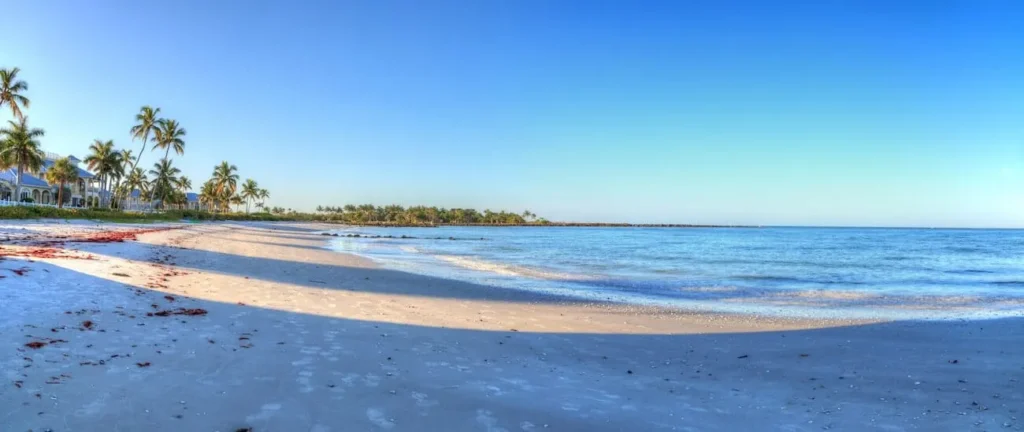
4. Enjoy Port Royal’s beach
Port Royal’s beach is vast with light grey sand. Right by Goria’s, the beach is well-taken care of and clean. There would be the possibility to take a long way by the beach, but sadly the beach get’s pretty dirty and is covered in plastics. However, it’s still lovely to spread your towel by the restaurant, enjoy the water and take in a beautiful sunset!
Lime Caye – a slice of paradise
I never felt like I needed to escape Kingston often — the city has too much energy for that — but Lime Cay quickly became one of my favorite breaks from it. Just offshore from Port Royal, this tiny islet gives you something rare: turquoise water, a view back toward the city, and the feeling of being far away without actually leaving Kingston behind.
During the week, Lime Cay can be beautifully quiet. You may find only a few people there, or sometimes almost no one at all. Bring food, drinks, reef-safe sunscreen and everything you need for the day, because there are no proper facilities on the island. The swimming area is small but gorgeous, and the water is clear enough for snorkeling when conditions are good. What I loved most was the contrast: floating in bright Caribbean water while Kingston sat in the distance.
On weekends, Lime Cay changes completely. Boats arrive, music plays, grills come out, and the little island turns into a proper Kingston beach lime. I honestly liked both versions: the quiet weekday escape and the weekend energy. If you have time, stay in or around Port Royal for a few days and experience both moods.
How to get to Lime Cay:
Take a taxi to Port Royal, then arrange a small boat with local fishermen or boatmen. Prices can vary, so ask around and agree on the cost and return time before leaving. As a rough guide, expect to pay around JMD 6,500 for the boat, depending on the group size and arrangement. Bring cash, pack light, and do not leave trash behind.
Bob Marley Beach
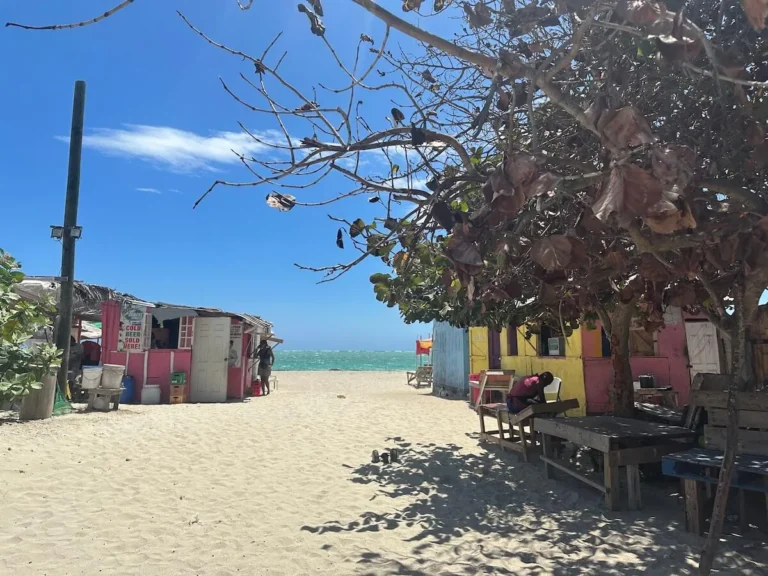
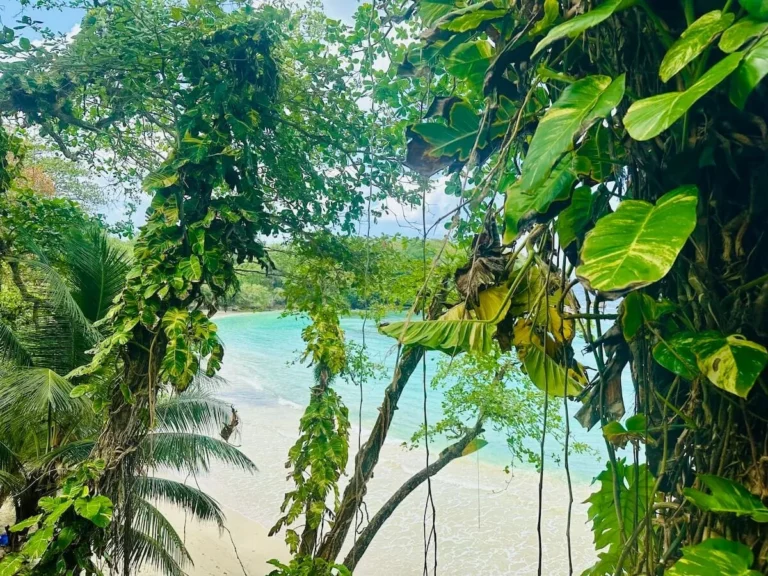
Bob Marley Beach is my favorite beach escape near Kingston — quieter than Hellshire, less of a production than Lime Cay, and still full of the character that makes Jamaica’s coast feel alive. During the week, it can feel almost deserted: grey sand, turquoise water, hills behind you, and enough space to properly exhale. On weekends, the mood changes. Music drifts across the beach, seafood is prepared, people gather, and the small Rastafari-run community around the beach brings the place to life.
What I love most here is that Bob Marley Beach does not feel built for tourists. Rastafari families and community members have created simple cabanas for shade, serve food on weekends, and are now working on a new bar of their own. After Hurricane Melissa, parts of the beach were affected, but when we returned a couple of weeks later, reconstruction was already well underway — another reminder that this beach is cared for by people deeply connected to it.
It is also worth pairing Bob Marley Beach with Cane River Falls, just a short drive away. The falls are an easy stop after the beach if you want to rinse off the salt water in fresh river pools — and they are often connected to Bob Marley himself, who is said to have loved spending time there.
Bob Marley Beach is also part of a much bigger conversation. Like many beaches in Jamaica, it has faced pressure from development and possible privatization. Visiting here means more than taking a swim: support the local food vendors, rent a cabana if available, leave no trash, and respect the people working to keep this beach open, welcoming and rooted in community life.
How to get to Bob Marley Beach:
Bob Marley Beach is in the Bull Bay area, about 30–40 minutes from Kingston, depending on traffic and where you start. Public transport can be time-consuming, and some taxi drivers are reluctant to go that far out, especially on quiet weekdays. I would arrange a trusted driver in advance and agree on a pickup time for the way back.
Bull Bay beaches – Kingston’s surf hub
Wickie Wackie beach is a vast, long beach with a pretty cool bar at the entry. However, the beach was completely empty during the week when I visited. Wickie Wackie beach is a cool place during the weekend but not my favorite spot when seeking serenity on a regular day. There is no infrastructure, and nobody is around during the week.
Jamnesia surf school is located about a 20-minute walk from Wickie Wackie beach. You’ll find small, essential restaurants and supermarkets close by. The beach itself is lovely to hang out and enjoy the water. It’s not the perfect spot for swimming (like most surf beaches), but you’ll find shade under a tree and a friendly dog pack to keep you company.
Beaches in Portmore
Portmore’s beaches are only about an hour’s drive from Kingston. Though erosion has taken away big stretches of sandy beaches, Portmore’s beaches are worth visiting.
Hellshire Beach
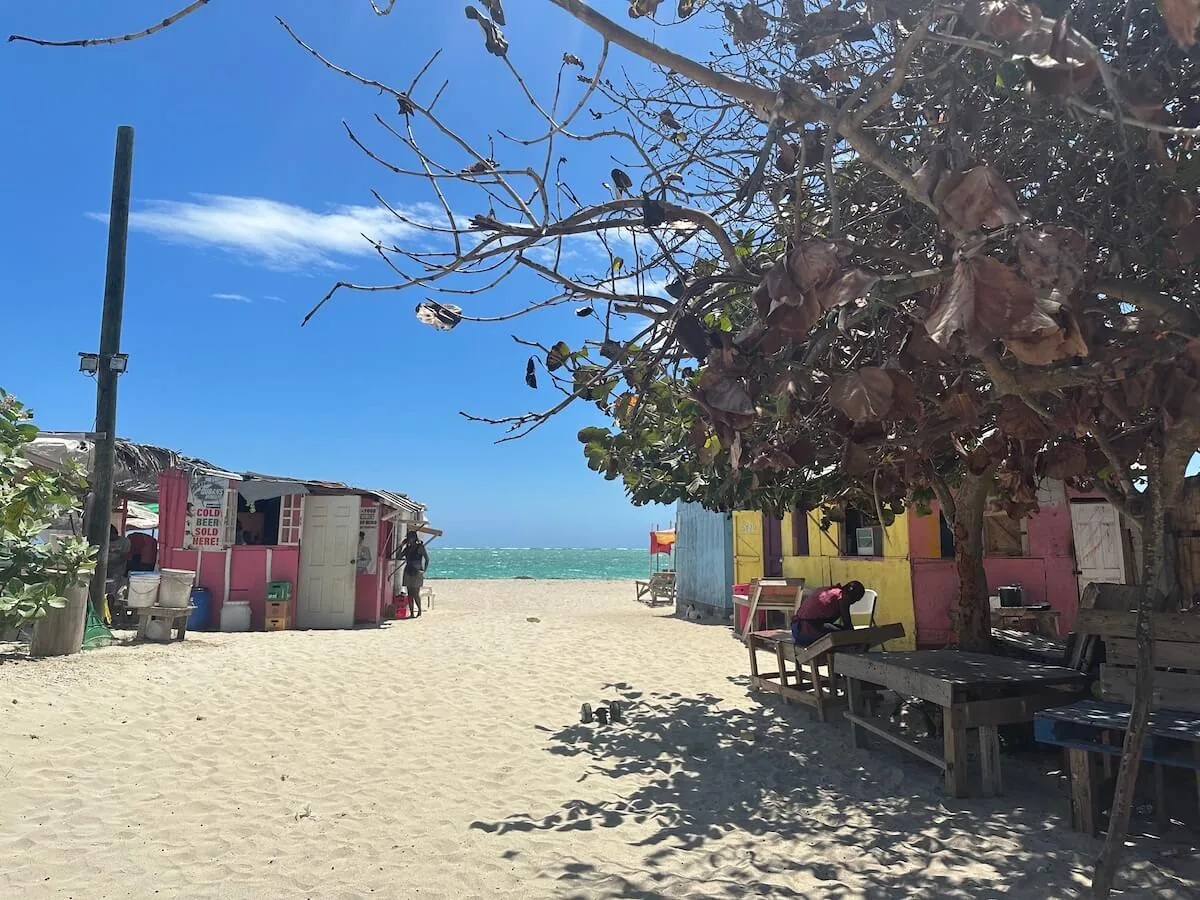
Hellshire Beach, Jamaica, is still one of the best beaches around Kingston, despite years of erosion diminishing the original shoreline. What remains are a few meters of beautiful golden sand with turquoise waters and an undeniable atmosphere filled with good vibes that make you want to linger for hours.
Moreover, Hellshire is absolutely renowned for its mouthwatering food stalls – fish is cooked fresh as soon as it’s caught and can be paired perfectly with a classic Red Stripe beer!
Anymoneyonestop restaurant is one of my favorites.
Screetchies is a famous hotspot for Kingston’s Who is Who on the weekend. It has a school view over the city, too.
Not only did they just rebuild their outside lounge area, but they also had the best food! Love their fish, and Lorena was super happy for a vegetable option.
Given all this, Hellshire may have lost some of its sand over time but never lost any of its charming spirit. There is a really good vibe and party on Sundays!
Pro Tip: If you get there by inDrive, try to agree on a pick-up time later, as it might be hard to get a ride back.
The beach is free on the weekend and costs $100 JA to enter on the weekend.
Hellshire Beach is good for:
+ Good Vibes
+ Delicious seafood
+ Incredible massages by healinghandsja
+ The water is calm and often super beautiful, with very little seaweed
Sugerman Beach
Sugarman Beach is right behind Hellshire Beach. The Bay is bigger than the one by Hellshire Beach. However, I never found the bar to be open, so the area was tranquil. There is lots of seaweed, and it looks like the beach has not been taken care of in a while. Better walk up to Hellshire.
Oceans Beach
Oceans Beach is located right next to Waves Beach.
It is a much more casual spot. The beach costs $100 JA to enter, but the beach chairs are free. I absolutely love the fish and the vibes.
Unfortunately, there is no bathroom.
Waves beach
Waves Beach Restaurant and Bar is located right between Oceans and Broadwalk Beach Bar. It’s a more upscale option with more comfortable seating options.
It’s free to enter, but a beach chair is between $300 and $500 per person. They also have a bathroom. They do have a basic bathroom on site as well.
Fort Clearance Beach
Fort Clearance is the largest and most expensive beach facility on this strip. You can use the lounge chairs, changing rooms and bathrooms for $1000 JA per day. The facilities are not always open, but you can always walk over to Waves Beach or Oceans Beach
Broadwalk Beach
Boardwalk Beach is the last beach on the strip. It often has a very chill vibe, comfortable beach chairs, as well as a bar and restaurant. It is open Thurs-Saturdays 8.30 am- 6.30 pm.
Practical Travel Tips for Kingston

Traveling Jamaica?
Places to visit in Jamaica
No matter how often you return to Jamaica, you will never get bored!
-
Sustainable Travel | Caribbean | Jamaica | Lebanon | Middle East | St. Lucia | St. Vincent and the Grenadines
When Is It Okay to Travel After a Catastrophe?
When Is It Okay to Travel After a Catastrophe? There are moments when a trip stops being just a trip. A flight is booked. A hotel is confirmed. You have an itinerary. Then something happens: a hurricane, an earthquake, a flood, an explosion, an attack, unrest. Suddenly, the question is no longer only: Can I…
-
Tourism Leakage: Why Your Vacation Money Does Not Always Stay Where You Travel
Tourism Leakage: Why Your Vacation Money Does Not Always Stay Where You Travel Tourism leakage asks us to look beyond the beautiful surface of travel. Beyond the beach, the hotel, the tour, the perfect breakfast view. It asks a less comfortable question: when I spend money here, does it help build local value — or…
-
Sex Tourism: The Word We Search For, and the Reality We Need to Name
Sex Tourism: The Word We Search For, and the Reality We Need to Name Most travelers like to believe they would recognize exploitation when they see it. We imagine it as something obvious: older men in bars, young women waiting outside clubs, whispered offers on a beach, hotel corridors where everyone seems to know what…
-
Beyond Paradise: Why Beach Access Matters in Jamaica and Around the World
Beyond Paradise: Why Beach Access Matters in Jamaica and Around the World Jamaica is easy to describe through beauty: turquoise water, warm sand, cliffs at sunset, music drifting through the air, sea breeze moving through palms. It is one of those places travelers often approach with a ready-made image of paradise. But the beach is…
-
Great Huts: Eco Paradise on the Edge
Paradise on the Edge in Portland For years I sat on Boston Bay’s sand, staring at the high cliff across the water. I could just make out a pair of stone pools clinging to the edge and a wooden gate marked Great Huts. I kept wondering, What’s up there? Last month I finally found out….
-
Chasing beaches in Portland, Jamaica
My Favourite Shores on Jamaica’s Wild Coast I’ve clocked a lot of sandy hours in Portland, and every beach hits a different note. Some roar with surf and reggae; others whisper under almond trees where you might share the shoreline with a goat. Many are community-run or sit on private land. If a gatekeeper asks…