Belmont
Jamaica
Things to do in Belmont, Jamaica
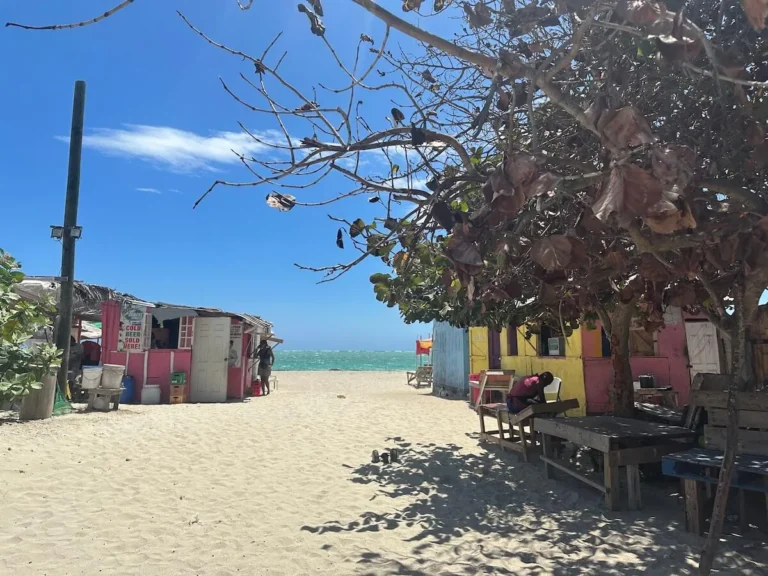
I left Negril seeking a more peaceful and authentic experience further South. Belmont seemed like the perfect option! About midway to Treasure Beach, Belmont comes alive on the weekends and is quiet during the week. Belmont is stretched along the Highway and consists of charming restaurants, bars, and Berry selling the best pudding in town.
There are smaller stretches of beach right in Belmont, which you’ll likely only have to share with the local fishermen. Even though Belmont might not be the place to be for adventures, it offers quite some action away from town.
Best beach stays in Tobago
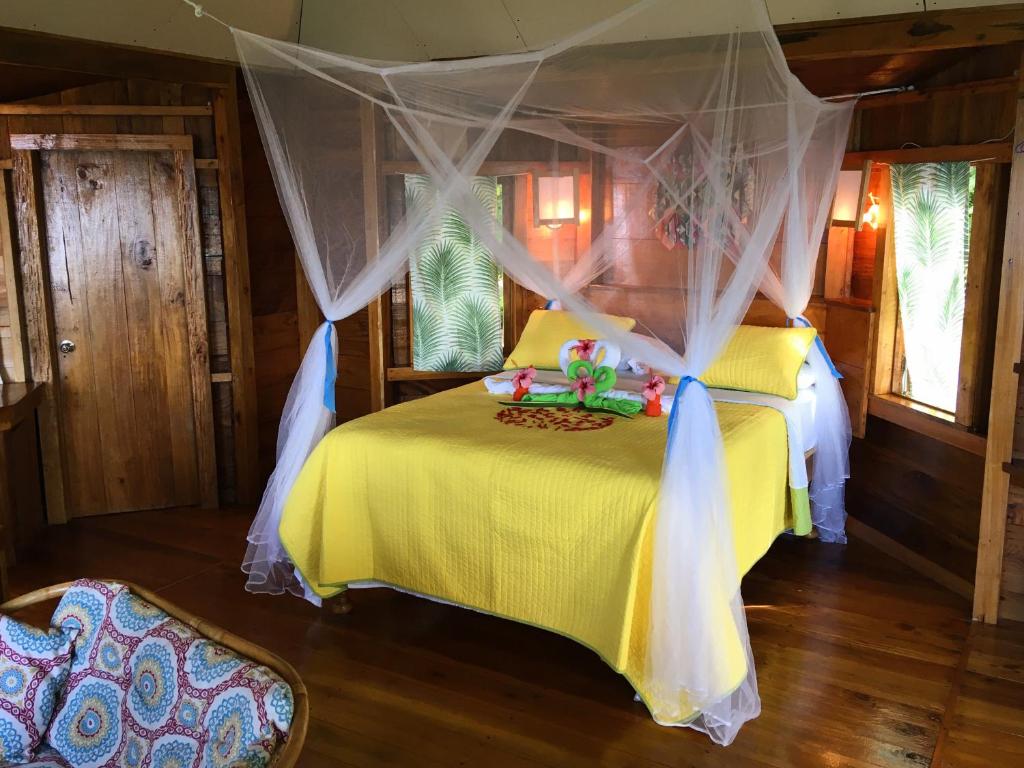
Accommodation in Belmont is simple, local, and close to the rhythm of the South Coast. This is not a place with a long list of hotels to choose from, so I would focus less on facilities and more on location, atmosphere, and whether the stay feels connected to the community.
Rainbow Villas is another option to consider if you want a self-catering stay in the Belmont area. This can be a good choice if you prefer more independence, are staying longer, or want a simple base for exploring Belmont, Bluefields Beach, and the wider South Coast.
I would look at Rainbow Villas if I wanted more space and flexibility than a guesthouse, while still keeping the trip local and low-key.
Best for: longer stays, couples, small groups, and travelers who prefer self-catering accommodation.
Shades Cottage Guesthouse is another simple, local option in the Belmont/Bluefields area. It works well if you want to stay close to Belmont Beach and the Peter Tosh Memorial without overcomplicating the trip.
This is not about polished hotel comforts, but about staying somewhere that fits the area. I would look at it if I wanted something affordable, personal, and rooted in everyday South Coast life.
Best for: budget-conscious travelers, solo travelers, independent visitors, and anyone who prefers a guesthouse feel.
Good Hope Retreat is a good addition if you want to stay slightly inland and experience more of the rural South Coast atmosphere around Belmont. It is not directly on the beach, but that can be part of the appeal: quieter surroundings, more space, and a different perspective on the area beyond the shoreline.
I would consider it if I wanted a peaceful base for exploring Belmont, Bluefields, Peter Tosh Memorial, and nearby beaches, while still staying somewhere simple and independent rather than overly hotel-like.
Best for: couples, slow travelers, longer stays, and visitors who want a quiet rural base near the South Coast.
Feel the weekend party vibes
Belmont was the sleepiest town on my journey (at least during the week), but it seemed to be THE place on the weekends. Locals and tourists are coming in to have a good time by the water and continue the party in one of the beach bars.
Enjoy Belmont’s beach
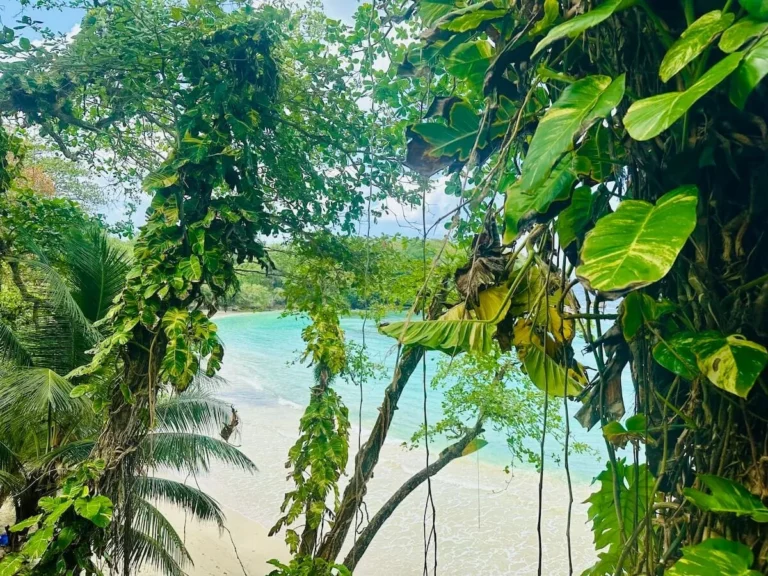
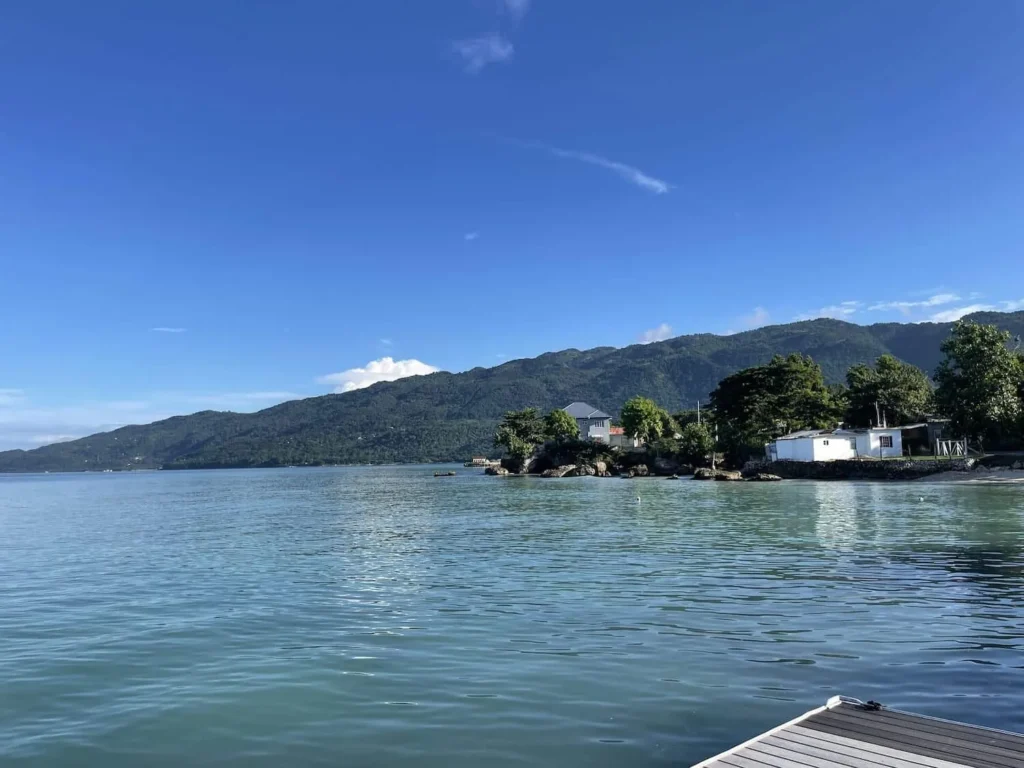
Belmont’s beach stretches are small, but you’ll likely have them all to yourself. The waters shimmer in all shades of turquoise and are beautiful to look at. If you get up early enough, you can watch the fishermen come in and buy the day’s catch!
Bluefields Beach Park
A 15-minute car ride along the Black River to Savanna-la-mar main road will lead to an admittedly small but about 400 long stretches of white sand and stunning turquoise waters. I went during the week and had the beach entirely to myself. You’ll find street food, music, and a lively vibe on the weekends.
Peter Tosh Mausoleum
Belmont is also home to the last remains of Peter Tosh, a founding member of the Wailers. Unfortunately, the mausoleum was closed at the time of my visit, but I still got to take a sneak peek. The grave is painted in Rasta Colors and continues to be a political statement to “legalize it.” You’ll see the paintings of a Rastaman with a huge joint, huge marijuana leaves, and a red-eyed Lion of Zion on Tosh’s actual tomb. Usually, tours tell the story of Bob Marley’s former band member.
Practical Travel Tips for Jamaica

Traveling Jamaica?
Places to visit in Jamaica
No matter how often you return to Jamaica, it will always mesmerize you!
-
Sustainable Travel | Caribbean | Jamaica | Lebanon | Middle East | St. Lucia | St. Vincent and the Grenadines
When Is It Okay to Travel After a Catastrophe?
When Is It Okay to Travel After a Catastrophe? There are moments when a trip stops being just a trip. A flight is booked. A hotel is confirmed. You have an itinerary. Then something happens: a hurricane, an earthquake, a flood, an explosion, an attack, unrest. Suddenly, the question is no longer only: Can I…
-
Tourism Leakage: Why Your Vacation Money Does Not Always Stay Where You Travel
Tourism Leakage: Why Your Vacation Money Does Not Always Stay Where You Travel Tourism leakage asks us to look beyond the beautiful surface of travel. Beyond the beach, the hotel, the tour, the perfect breakfast view. It asks a less comfortable question: when I spend money here, does it help build local value — or…
-
Sex Tourism: The Word We Search For, and the Reality We Need to Name
Sex Tourism: The Word We Search For, and the Reality We Need to Name Most travelers like to believe they would recognize exploitation when they see it. We imagine it as something obvious: older men in bars, young women waiting outside clubs, whispered offers on a beach, hotel corridors where everyone seems to know what…
-
Beyond Paradise: Why Beach Access Matters in Jamaica and Around the World
Beyond Paradise: Why Beach Access Matters in Jamaica and Around the World Jamaica is easy to describe through beauty: turquoise water, warm sand, cliffs at sunset, music drifting through the air, sea breeze moving through palms. It is one of those places travelers often approach with a ready-made image of paradise. But the beach is…
-
Great Huts: Eco Paradise on the Edge
Paradise on the Edge in Portland For years I sat on Boston Bay’s sand, staring at the high cliff across the water. I could just make out a pair of stone pools clinging to the edge and a wooden gate marked Great Huts. I kept wondering, What’s up there? Last month I finally found out….
-
Chasing beaches in Portland, Jamaica
My Favourite Shores on Jamaica’s Wild Coast I’ve clocked a lot of sandy hours in Portland, and every beach hits a different note. Some roar with surf and reggae; others whisper under almond trees where you might share the shoreline with a goat. Many are community-run or sit on private land. If a gatekeeper asks…